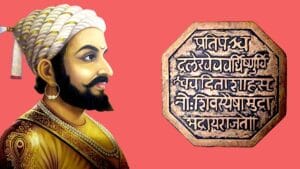
Vande Mataram is India’s National Song and a timeless civilisational invocation that embodies devotion to the motherland, cultural continuity, and the spirit that animated India’s freedom movement.
For generations, these two words have expressed reverence, sacrifice, and an emotional bond with Bharatavarsha that transcends time.
As India commemorates 150 years of Vande Mataram, the song continues to occupy a unique place in the nation’s historical memory, cultural life, and public consciousness.
What Does Vande Mataram Mean?
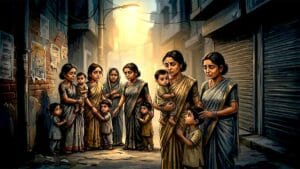
The phrase Vande Mataram comes from Sanskrit and translates to “I bow to the Mother”. Here, the Mother is not an abstract idea but the motherland itself, envisioned as nurturing, life-giving, and sacred.
The meaning of Vande Mataram goes beyond linguistic translation. It reflects a worldview where land is not merely territory, but Matrubhumi – a living presence deserving reverence.
This symbolic portrayal of the nation as a mother became one of the most powerful emotional forces during India’s struggle for independence.
Also read: India will celebrate its 77th Republic Day on 26 January 2026. Learn about its history, highlights and significance
Who Wrote Vande Mataram?
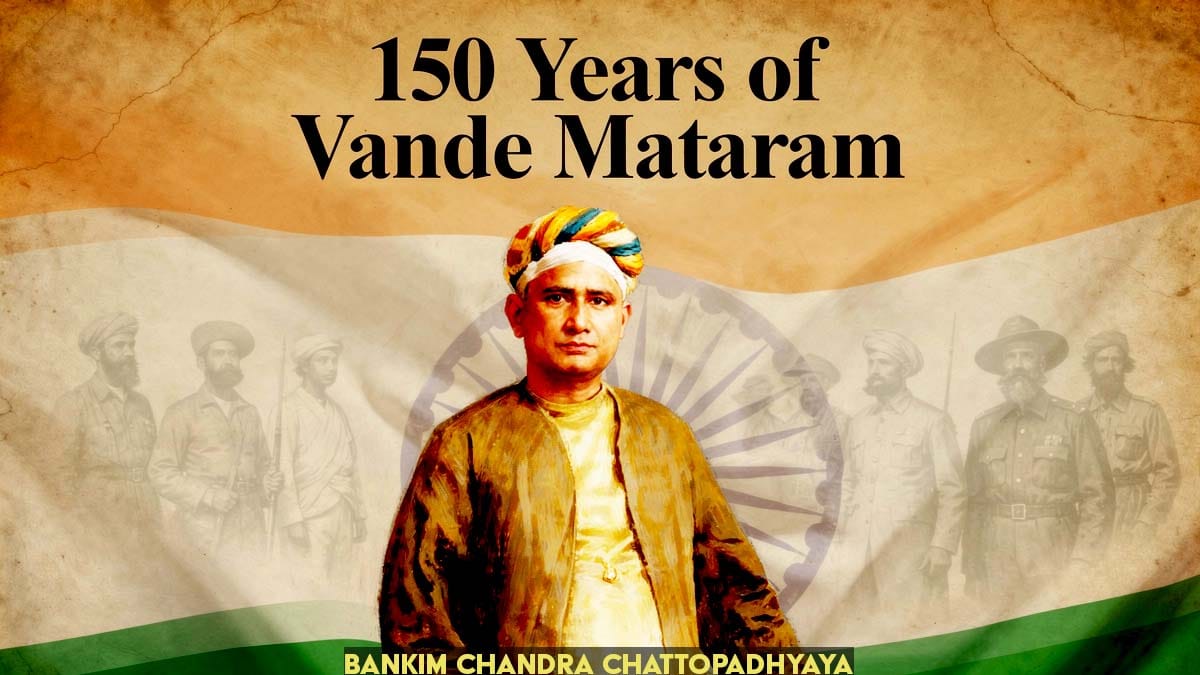
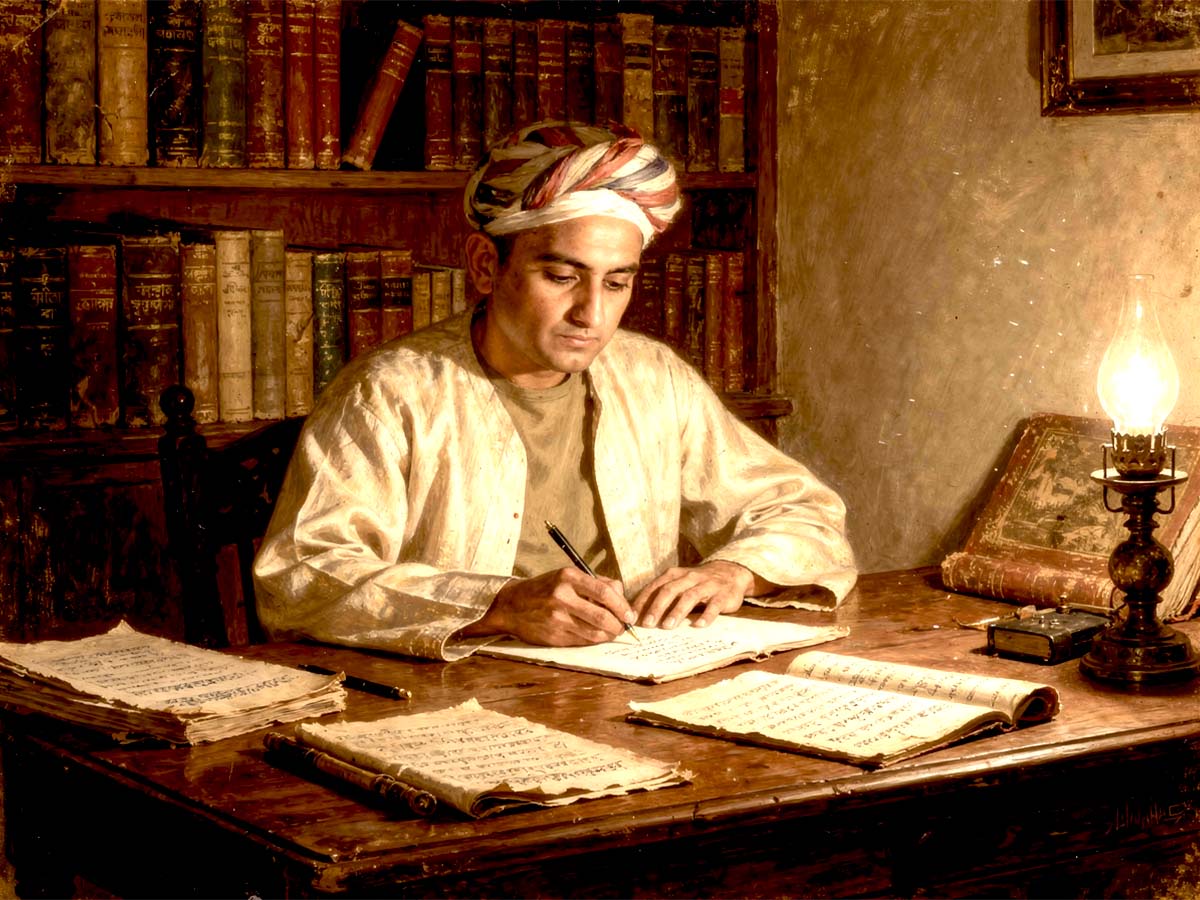
Vande Mataram was written by Bankim Chandra Chattopadhyay, one of the foremost literary figures of nineteenth-century India.
Bankim Chandra Chattopadhyay composed Vande Mataram in 1875, originally in Sanskritised Bengali. The poem was later included in his celebrated novel Anand Math, published in 1882.
Vande Mataram History: From Literature to National Awakening
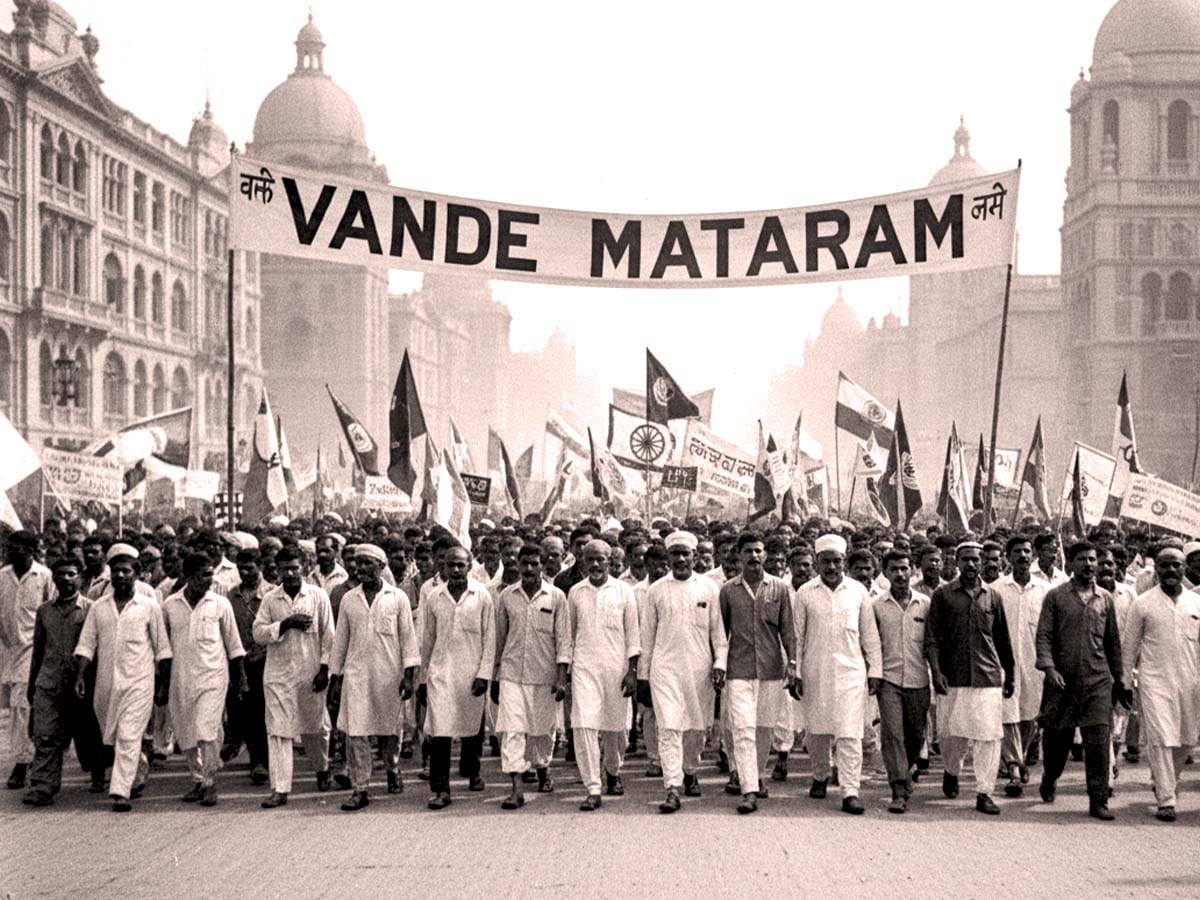
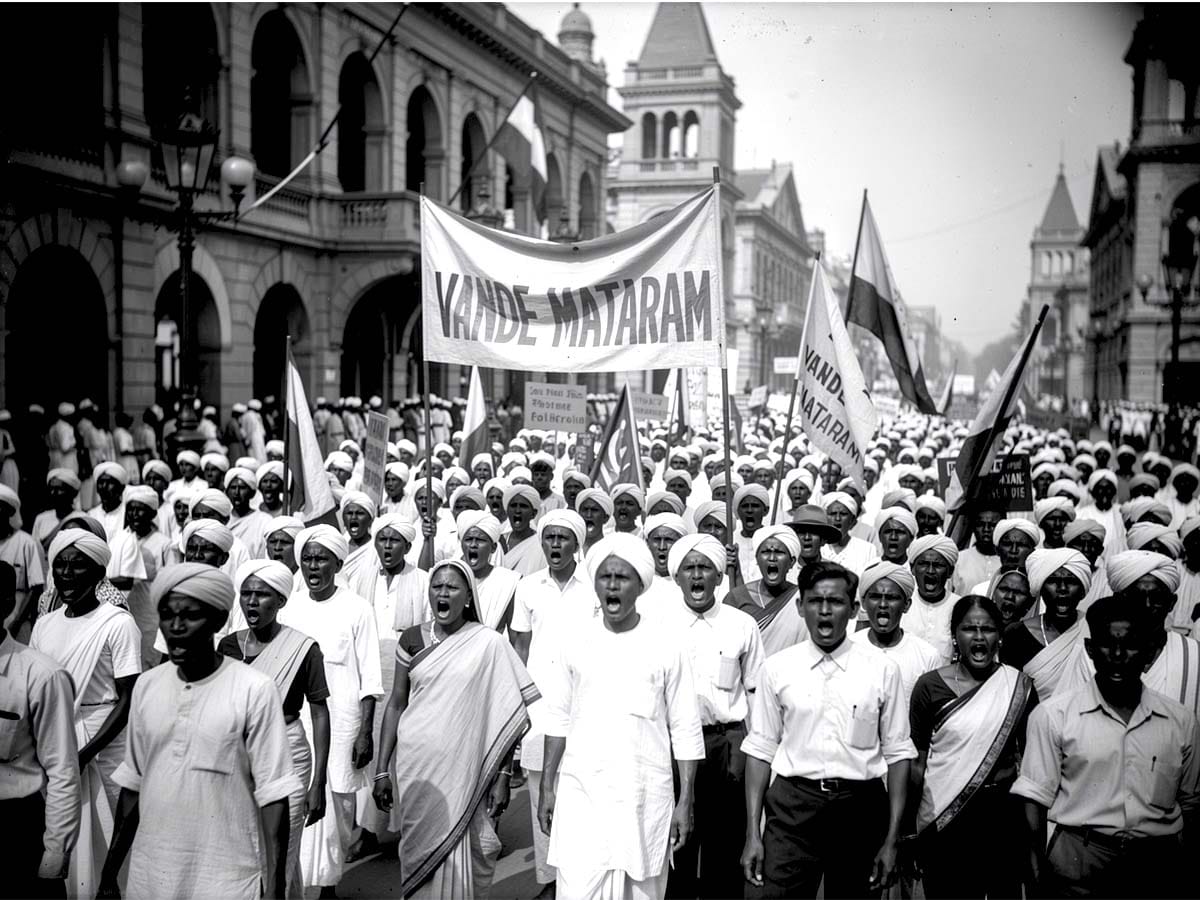
The history of Vande Mataram is inseparable from India’s awakening under colonial rule. Though written decades earlier, the song entered the political sphere when it was first sung publicly at the 1896 Indian National Congress session, reportedly by Rabindranath Tagore.
Soon after, Vande Mataram became a rallying cry during protests, marches, and gatherings. The British colonial administration viewed the song with suspicion due to its power to mobilise people, and attempts were made to discourage or restrict its public singing.
Over time, the national song has evolved from a literary composition into a symbol of resistance, unity, and national consciousness.
हिन्दी में पढ़े: वंदे मातरम्: क्रांती, त्याग और राष्ट्रभक्ति का गीत
Vande Mataram and Jana Gana Mana
In 1950, after India became a republic, the Constituent Assembly formally recognised Vande Mataram as the National Song, granting it equal honour while designating Jana Gana Mana as the National Anthem.
This decision acknowledged both the emotional legacy of Vande Mataram and the constitutional role of the anthem.
The national anthem Jana Gana Mana is primarily used for formal official and international ceremonies with strict protocols, while the national song Vande Mataram is widely performed at cultural and patriotic events to invoke and commemorate the spirit of the independence movement.
Why Only the First Two Verses are Sung
The first two verses of the song which express a poetic and abstract description of the motherland’s beauty were adopted by the Constituent Assembly as the official version of the National Song in 1950 while the later verses with references to Hindu religious icons were omitted.
However, as part of the 150th year commemoration of the National Song, the Government of India has launched a movement for mass singing of the entire original version to reconnect citizens with the song’s original revolutionary spirit.
Vande Mataram Lyrics (Original Poem from the novel Anand Math)
Vande Mataram was originally composed as a poem in Sanskritised Bengali by Bankim Chandra Chattopadhyay and published in his 1882 novel Anand Math.
The lyrics are poetic, evocative, and deeply symbolic. The opening verses praise the land’s rivers, fertile fields, cool breezes, and abundant harvests – imagery that connects the nation to nature and sustenance.
The following verses represent the most widely accepted and revered form of the poem.
Vande Mataram Lyrics
Vande Mataram
Sujalam Suphalam Malayajashitalam
Shashyashamalam Mataram

Shubhrajyotsna Pulakityaminim
Phullakusumita Droomdal Shobhinim
Suhasinim Sumadhurbhashinim
Sukhadam Vardam Mataram

Vande Mataram

Koti Koti Kantha Ninad Karale
Koti Koti BhujairDhruta Kharkarwale
Abala Ken Ma Eta Bale
Bahubaldharinim Namami Tarinim
Ripudalwarinim Mataram

Vande Mataram

Tumi Vidya Tumi Dharma Tumi Hridayi
Tumi Marma Twam Hi Pranaha Sharire
Bahute Tumi Ma Shakti
Hridaye Tumi Ma Bhakti
Tomarayi Pratima Gadi Mandire Mandire Mataram

Vande Mataram

Twam Hi Durga Dashpraharandharini
Kamala Kamal Dal Viharini Vaani Vidyadayini
Namami Twam Namami Kamalam Amalam Atulam Sujalam Suphalam Mataram

Vande Mataram

Shyamalam Saralam Sushmitam Bhushitam Dharinim Bharinim Mataram

Vande Mataram
Meaning of Vande Mataram (in English)
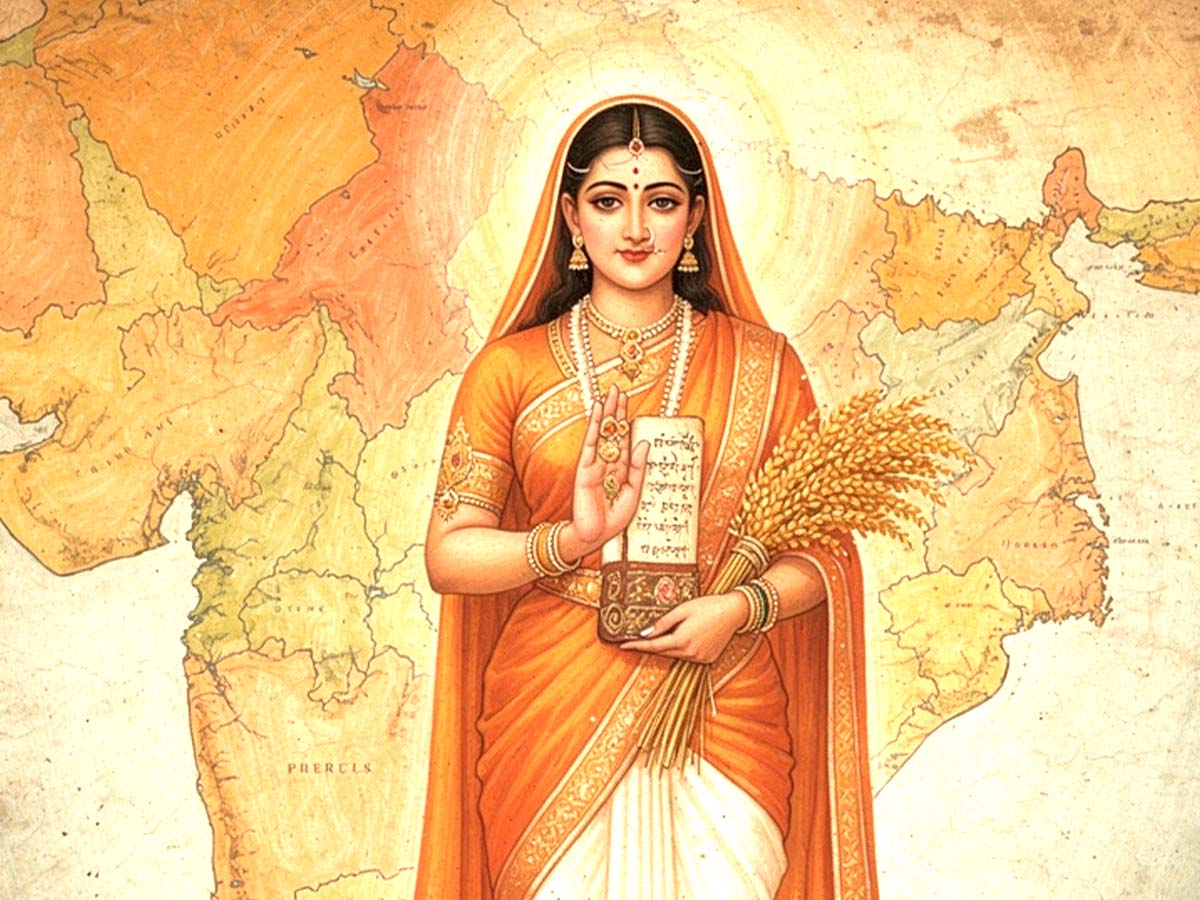
Vande Mataram literally means “I bow to thee, Mother”. The poem personifies Mother India as a divine, nourishing, and protective presence, celebrating her natural beauty, abundance, strength, and spiritual power.
In the opening verses, the nation is praised and honoured as the giver of life, food, and prosperity.
- Sujalam Suphalam – rich in water and harvest
- Shashyashamalam – green with flourishing crops
- Malayajashitalam – cooled by fragrant breezes
As the poem progresses, the Mother is also revealed as Shakti – the inner power of the nation. She is identified with Durga, the destroyer of evil, and with Vaani (Saraswati) and Kamala (Lakshmi), symbolising knowledge, culture, prosperity, and moral strength.
Vande Mataram is a spiritual and civilisational invocation, where the land itself is revered as sacred, living, and divine!
150 Years of Vande Mataram: A Living Legacy
The milestone of 150 years of Vande Mataram invites reflection. Few compositions in world history have maintained such relevance across centuries, political systems, and generations.
From colonial resistance to modern republic, Vande Mataram has accompanied India’s journey – evolving in interpretation while remaining constant in spirit.
Vande Mataram in Modern India
Vande Mataram continues to be sung in schools, cultural programs, national celebrations, and moments of collective remembrance. Its presence alongside the National Anthem reinforces a layered national identity – constitutional, cultural, and emotional.
Vande Mataram is a living expression of India’s civilisational ethos – gratitude to the land, reverence for nourishment, and devotion to collective identity. From the pages of Anand Math to the heart of a nation, its journey mirrors India’s own!
Frequently Asked Questions (FAQs)
What is Vande Mataram?
Vande Mataram is India’s National Song, expressing reverence to the motherland.
Who wrote Vande Mataram?
Vande Mataram was written by Bankim Chandra Chattopadhyay in 1875.
In which language was Vande Mataram written?
It was written in Sanskritised Bengali.
Is Vande Mataram the National Anthem of India?
No. Vande Mataram is the National Song of India; Jana Gana Mana is the National Anthem of India.
Where was Vande Mataram published?
It was published in Bankim Chandra Chattopadhyaya’s novel Anand Math.
What is the significance of Vande Mataram
It played a crucial role in India’s freedom movement and national awakening.
What does Vande Mataram mean in English?
It means “I bow to the Mother,” referring to the motherland.