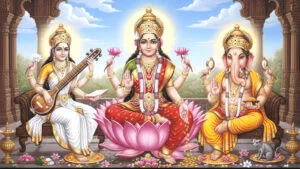
Kojagiri Purnima, also known as Sharad Purnima or Kojagara Puja, is the full-moon night of Ashwin dedicated to the worship of Goddess Lakshmi and the blessings of Chandra Devata (the Moon God).
The name Kojagiri (literally “Who is awake?”) refers to the tradition of staying awake through the night to welcome Goddess Lakshmi, perform Lakshmi puja, and partake of the moon-washed prasad such as kheer or masala milk.
Observed across India with regional variations, Kojagiri Purnima blends devotion, food traditions, and seasonal wisdom at the close of the monsoon.
Sharad Ritu, or the autumn season in the Hindu calendar, marks the transition after the monsoon – a time of clear skies, cool breezes, and renewed vitality in nature.
Also read Kartiki Ekadashi 2026: Date, Tithis, & Traditions in Maharashtra
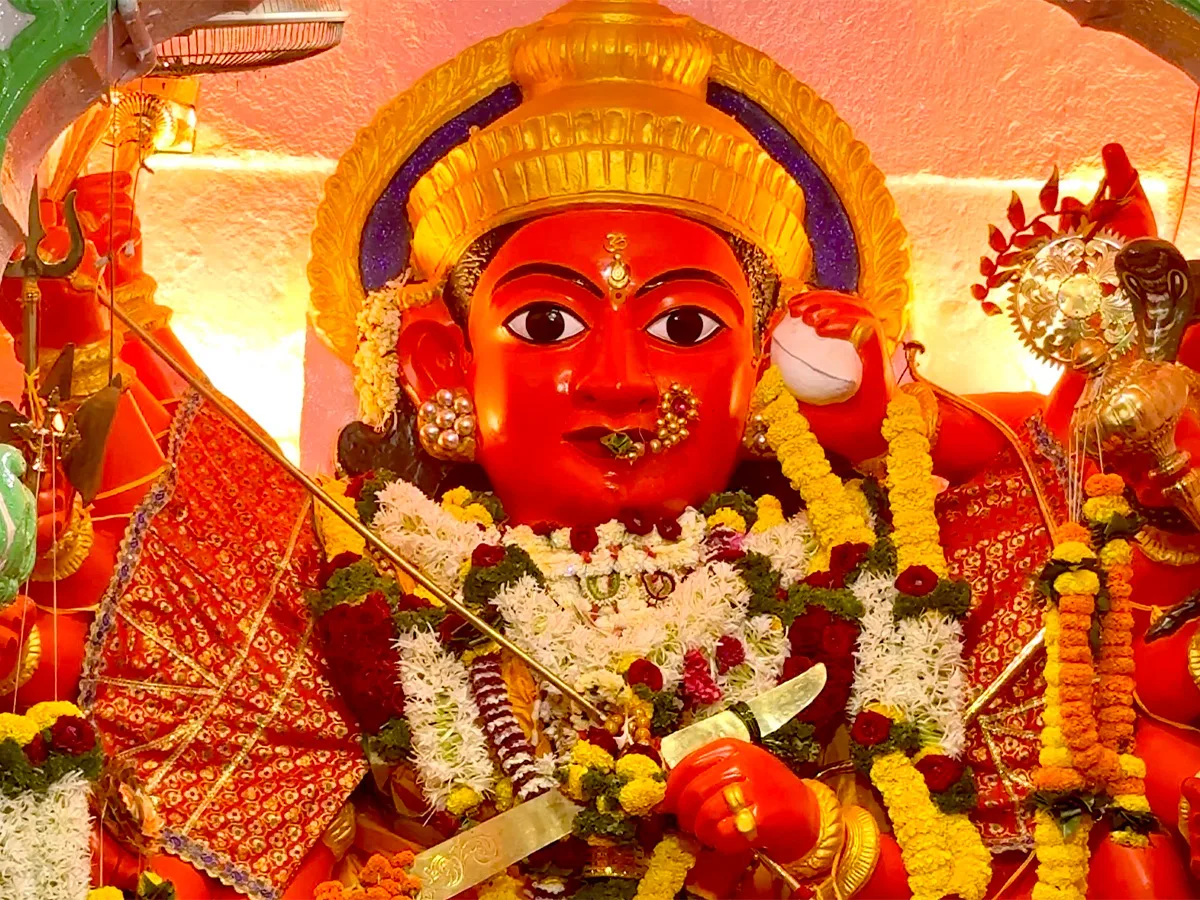
Kojagiri Purnima 2026 – Date & Tithi Timings
- Kojagiri Purnima 2026 Date: 25 October 2026.
- Purnima tithi begins: 11:55 am 25 October 2026
- Purnima tithi ends: 09:41 am 26 October 2026
- Moonrise Time: 5:41 pm 25 October 2026
- Nishita / Midnight muhurat for puja: 11:54 pm – 12:44 am window on the night of 25 October 2026.
- Best time for milk/kheer under moonlight: 8:00 pm onwards through Nishita Kaal.
Dates are as per the traditional lunar calendar followed in Maharashtra.
Kojagiri Purnima is the principal full-moon (Purnima) of October each year, falling on the Ashwin Purnima tithi – the only major Purnima the month carries, which is why so many searches simply ask “which purnima is in October”.
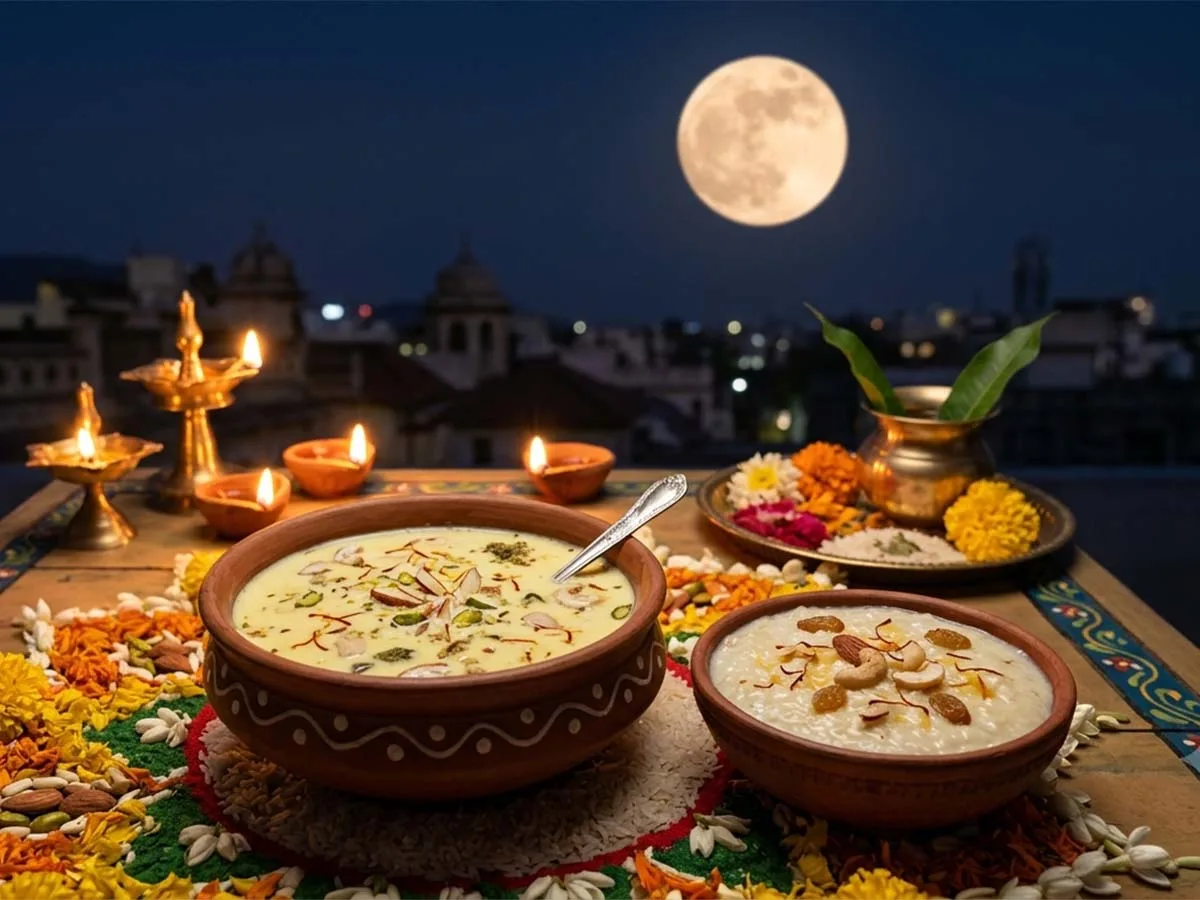
The Mystery of 16 Kalas: Why the Sharad Purnima Moon is Unique
According to Hindu astrology and scriptures, Sharad Purnima is the only night of the year when the moon shines with all 16 Kalas (phases of complete cosmic perfection).
While the moon displays varying degrees of illumination throughout the year, on Kojagiri night it reaches 100% emotional, physical, and spiritual expression.
What are the 16 Kalas of the Moon?
In Vedic philosophy, the 16 Kalas represent the complete spectrum of divine attributes and human consciousness, including wisdom (Prana), truth (Satya), compassion (Daya), focus (Dhitih), and radiative energy (Tejas). Lord Krishna is revered as a Purna Avatara because He was born with all 16 Kalas intact.
The Science & Spiritual Power of the Moonlight
- Amrit Varsha (Nectar Rays): Ancient texts state that moonlight on Kojagiri Purnima filters through specific celestial alignments, showering Amrit (nectar-like vibrations) onto Earth.
- Cooling Pitta Dosha: Ayurveda explains that the autumn season (Sharad Ritu) causes heat accumulation in the human body (Pitta imbalance). Spending time under this specific moonlight cools the nervous system, clears mental fatigue, and balances bodily heat.
- Charging the Kheer: Milk cooked with rice, saffron, and nuts absorbs these lunar rays when placed under the open sky. Consuming this moon-washed prasad acts as a natural immunity booster for the upcoming winter transition.
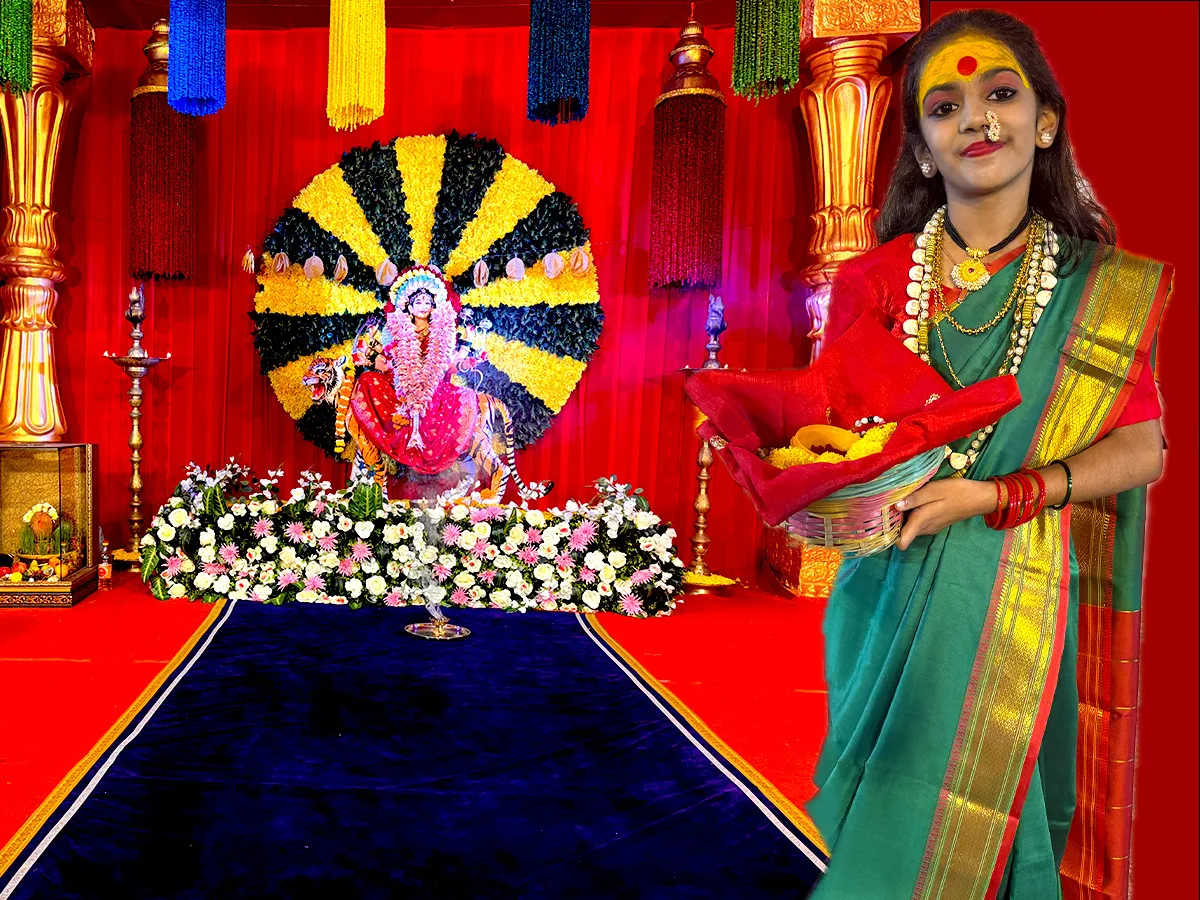
Ko Jagarti: The Legend Behind Kojagiri Purnima meaning “Who is Awake?”
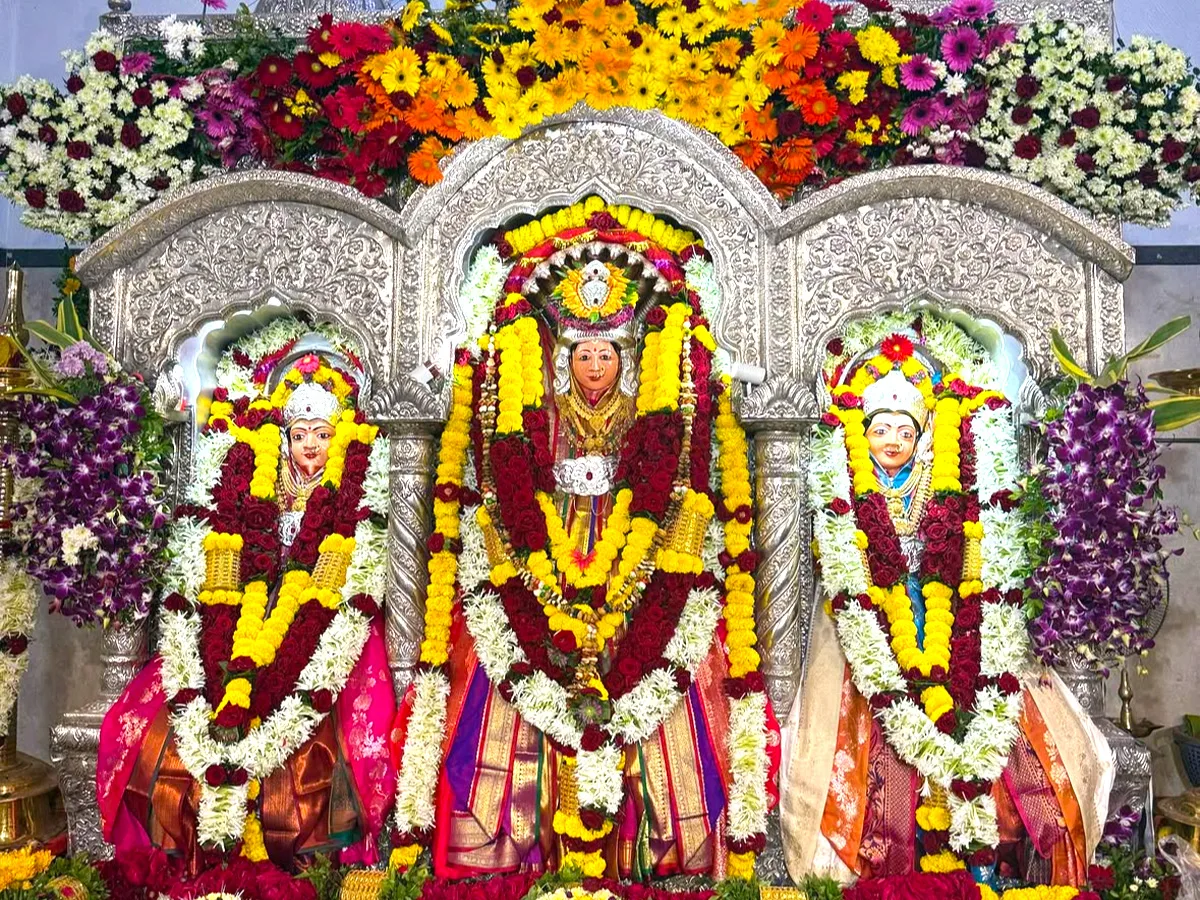
According to Hindu belief, on the night of Kojagiri Purnima, Mata Lakshmi, the goddess of wealth and prosperity, descends to Earth and moves from place to place asking, “Ko Jagarti?” – meaning “Who is awake?”
It is said that those who remain awake in devotion and purity on this full-moon night are blessed by her divine grace with happiness, good fortune, and abundance.
The very name Kojagiri or Kojagara is derived from this sacred question, symbolizing the awakening and alertness of both body and mind in the presence of the radiant moon and Mata Mahalakshmi’s auspicious presence.
Sharad Purnima, Kojagari, Kojagara: Significance & Legends
Kojagiri Purnima holds multiple layers of meaning:
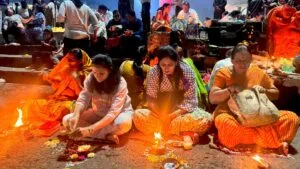
- Lakshmi worship: In many regions the night is devoted to Goddess Lakshmi. Devotees keep vigil, light lamps, and perform puja seeking prosperity and protection.
- Moon-blessings & nourishment: Folk traditions believe moonlight on this night is nourishing; people keep kheer or milk-based sweets under the moon so the lunar rays “bless” and enrich the food.
- Cultural symbolism: The festival marks the autumn harvest and the earthly abundance following the monsoon, combining gratitude, charity and community celebrations.
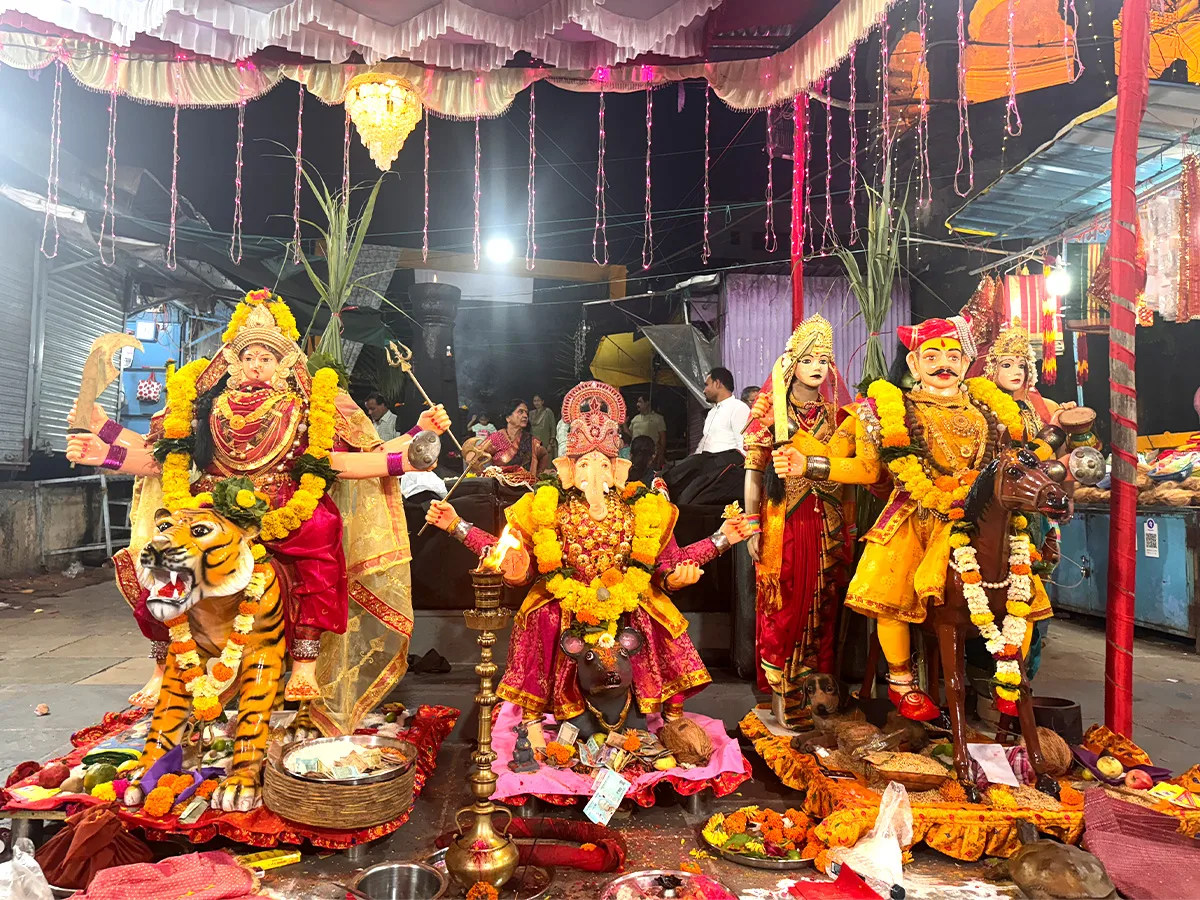
Common Rituals & How to Observe Kojagiri Purnima – Kojagara Puja
- Clean the home & prepare the puja space. Arrange diyas (lamps), flowers, and an image or idol of Mata Lakshmi.
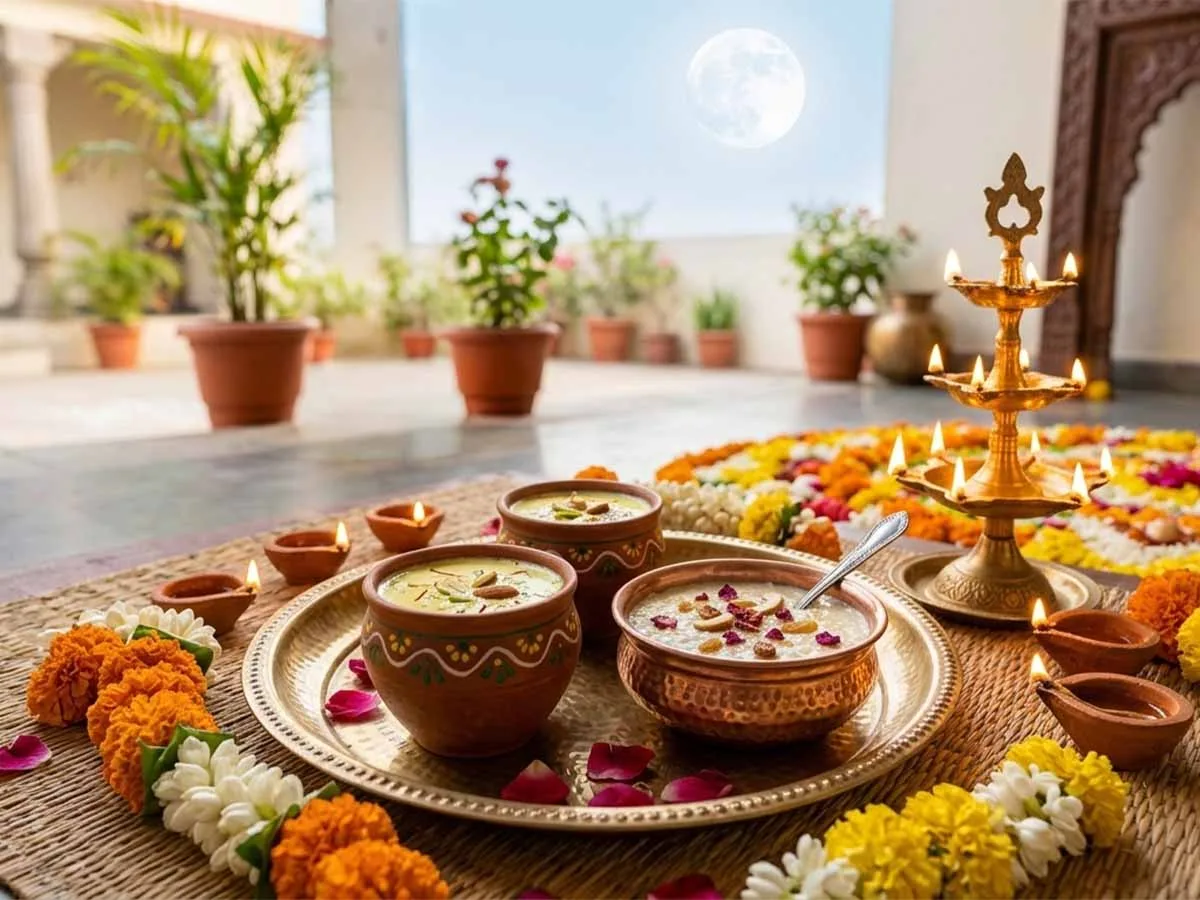
- Prepare kheer / masala milk: Many families prepare kheer, payasam or spiced milk and keep it outside under moonlight (on a terrace, balcony, or open place). The cooled prasad is distributed the next morning.
- Kojagara vrata (stay awake): Sing bhajans dedicated to Lakshmi and Narayan, read vrat katha, recite Lakshmi mantras or hold an all-night vigil to welcome the goddess.
- Charity & offerings: Donate food, clothes or money to the needy. Traditionally, Daan is considered especially meritorious on this night.
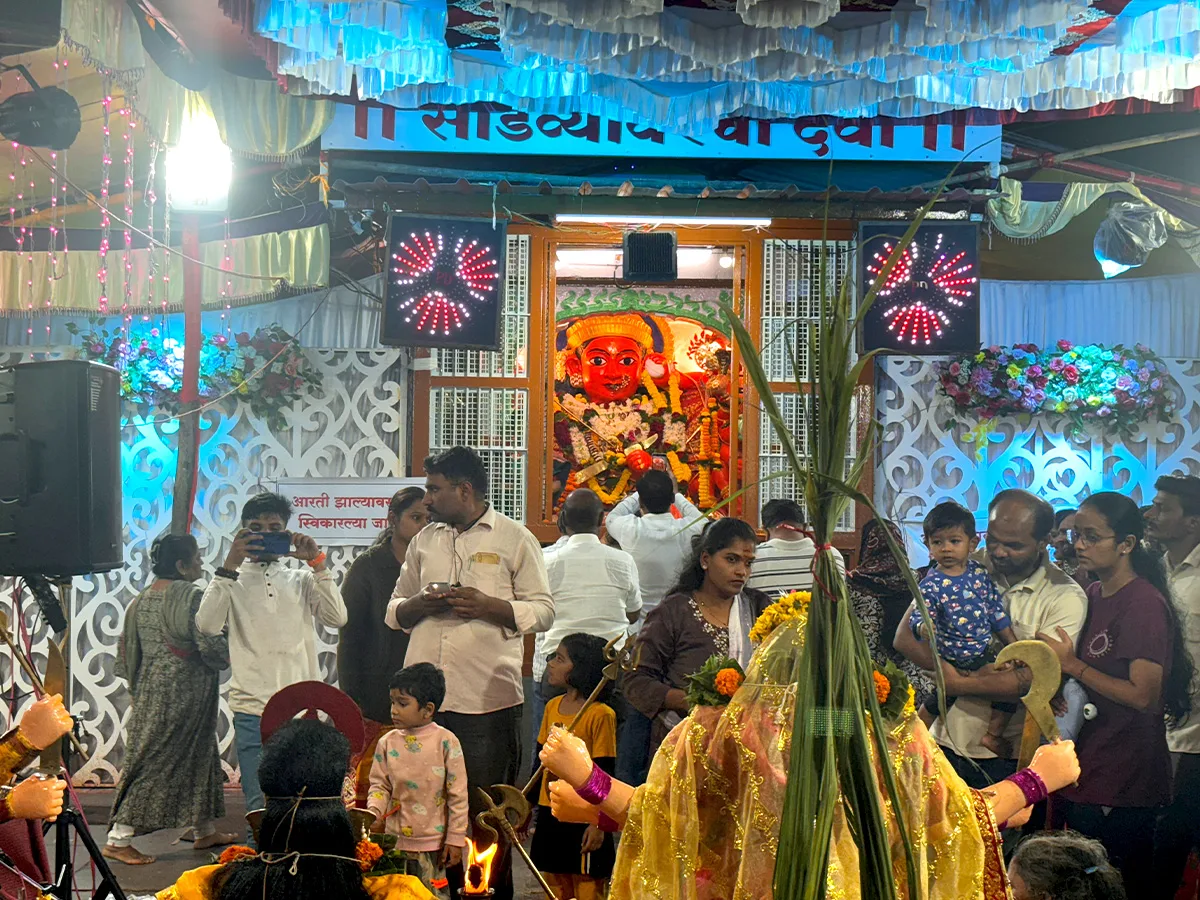
- Temple visits & community pujas: Attend Lakshmi puja at local temples or community centres where collective rituals and bhajans are organized.
Prasad & Food Traditions
Kheer / Payasam / Masala milk: Most widespread – either kept under moonlight or offered during the late-night puja.
Seasonal fruits & sweets: Served as prasad, regional variations include distinct sweets according to local custom.
Health note: The moon-washing tradition has folk explanations related to seasonal cooling and nutritive benefits of milk; however, always ensure hygiene (cover food, keep on clean vessels, refrigerate if needed).
The Ultimate Kojagiri Purnima Masala Doodh: A Traditional Maharashtrian Recipe
On the night of Kojagiri Purnima (Sharad Purnima), Marathi households gather under the midnight moonlight to drink Masala Doodh (spiced, sweetened milk).
Traditionally, the milk is boiled on an open terrace or balcony so it absorbs the healing shitalta (cooling rays) of the full moon, which is believed to possess nectar-like healing properties on this specific night.
Ingredients:
- Doodh (Full-Cream Milk): 1 Litre (Traditional recipes strictly use high-fat milk to get the perfect creamy, thick texture).
- Kojagiri Doodh Masala: A freshly ground blend of Badam (Almonds), Pista (Pistachios), and Charoli (almondette seeds).
- Cardamom & Nutmeg Powder (वेलची आणि जायफल) (Nutmeg is the signature Marathi spice that gives this milk its soothing, aromatic depth).
- Kesar (Saffron strands- केसर): A generous pinch, soaked in a tablespoon of warm milk to release its golden pivla hue.
- Saakhar (Sugar): 4 to 5 tablespoons (adjusted to taste).
Kojagiri Purnima Milk Preparation Recipe in Maharashtra
1. Milk Condensing Process (दूध आटवणे)
Pour the fresh milk into a heavy-bottomed pan, preferably a traditional Kadhai or Patela. Bring the milk to a boil over medium heat. Once it boils, lower the flame and begin the process of Aatavne (slowly reducing and thickening the milk). Stir continuously with a spatula to prevent the bottom from scorching.
2. Creating the Cream Layers (कढ काढणे)
As the milk simmers, a rich layer of cream (साय) forms on the top. Gently scrape this cream from the sides and surface, pushing it back into the boiling milk. This creates a luxurious, textured mouthfeel without needing to add artificial thickeners or condensed milk. Reduce the total volume by about 10–15%.
3. Adding Sugar, Nuts, & Spices (साखर आणि मसाला घालणे)
Add the sugar (saakhar) and your coarsely crushed nut mix (doodh masala). Crucially, ensure you add a good handful of whole Charoli seeds, which are a signature element of Maharashtrian festive milk. Stir well until the sugar dissolves completely.
Pour in the soaked saffron (kesar) liquid and watch the milk transform into a delicate, pale yellow color, and sprinkle the fresh cardamom and nutmeg powder (velchi-jaiphal ). Turning off the heat immediately after adding these ensures their volatile oils and heavenly aromas don’t escape.
Kojogiri Purnima Masala Milk Preparation Recipe
The Kojagiri Purnima Midnight Moon Ritual (Chandraprakashat Doodh)
Once the spiced milk is ready, it is poured into a wide, open metal vessel (like a large parat or steel plate). At midnight, this vessel is placed directly under the bright moonlight.
Families sit around, singing songs or playing games, waiting for the reflection of the full moon to clearly mirror inside the liquid. Once the moon’s light has symbolically charged the milk, it is distributed to everyone in small steel glasses or vatya (bowls) as divine prasad.
Regional Variations of Sharad Purnima
Eastern India (West Bengal, Odisha, Assam): Kojagari is closely linked with Lakshmi Puja – homes are decorated with lamps and community pujas are common.
Maharashtra & Western India: Masala milk or kheer kept under moonlight is a common custom; some groups organize night-long bhajans.
Northern India: Sharad Purnima customs focus on kheer under moonlight and cultural gatherings that celebrate Krishna’s rasa-lila in some traditions.
Kojagiri Purnima in Nashik
In Nashik, the night takes on a distinct flavour of its own beyond the home puja. Across Old Nashik, Panchavati, Ravivar Karanja, and the Main Road stretch, food carts spring up selling hot milk and its many variations – haldi (turmeric) milk, malai doodh, and milk loaded with dry fruits — a warm, nourishing tradition that draws crowds late into the night.
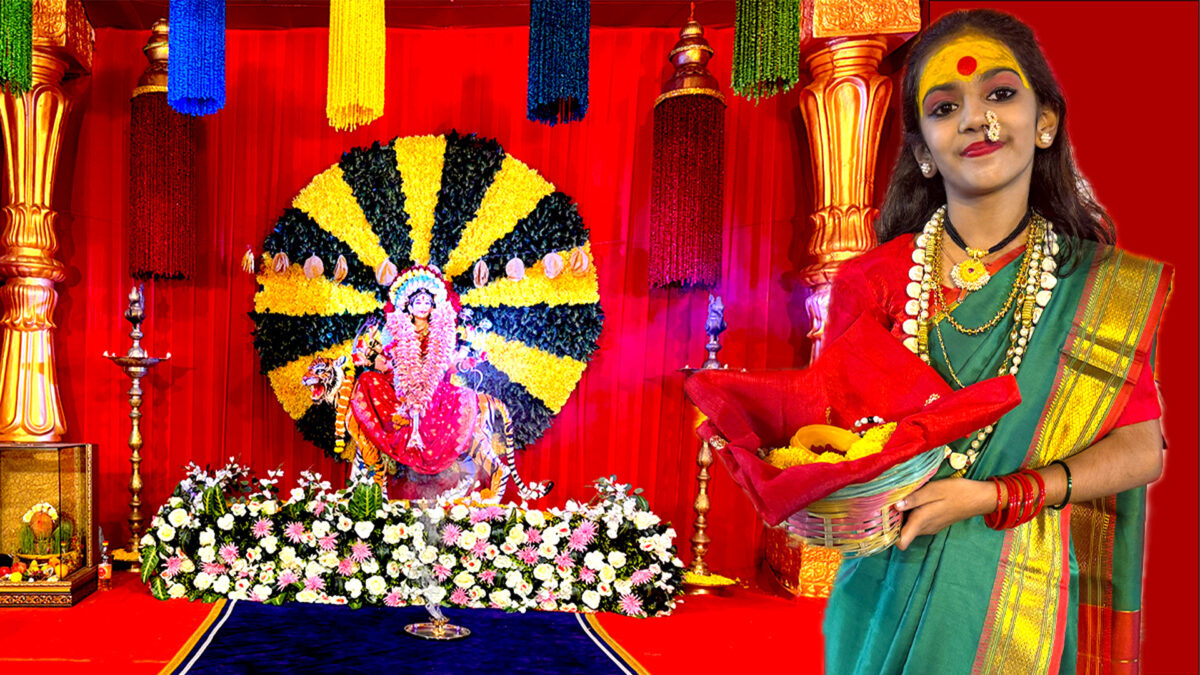
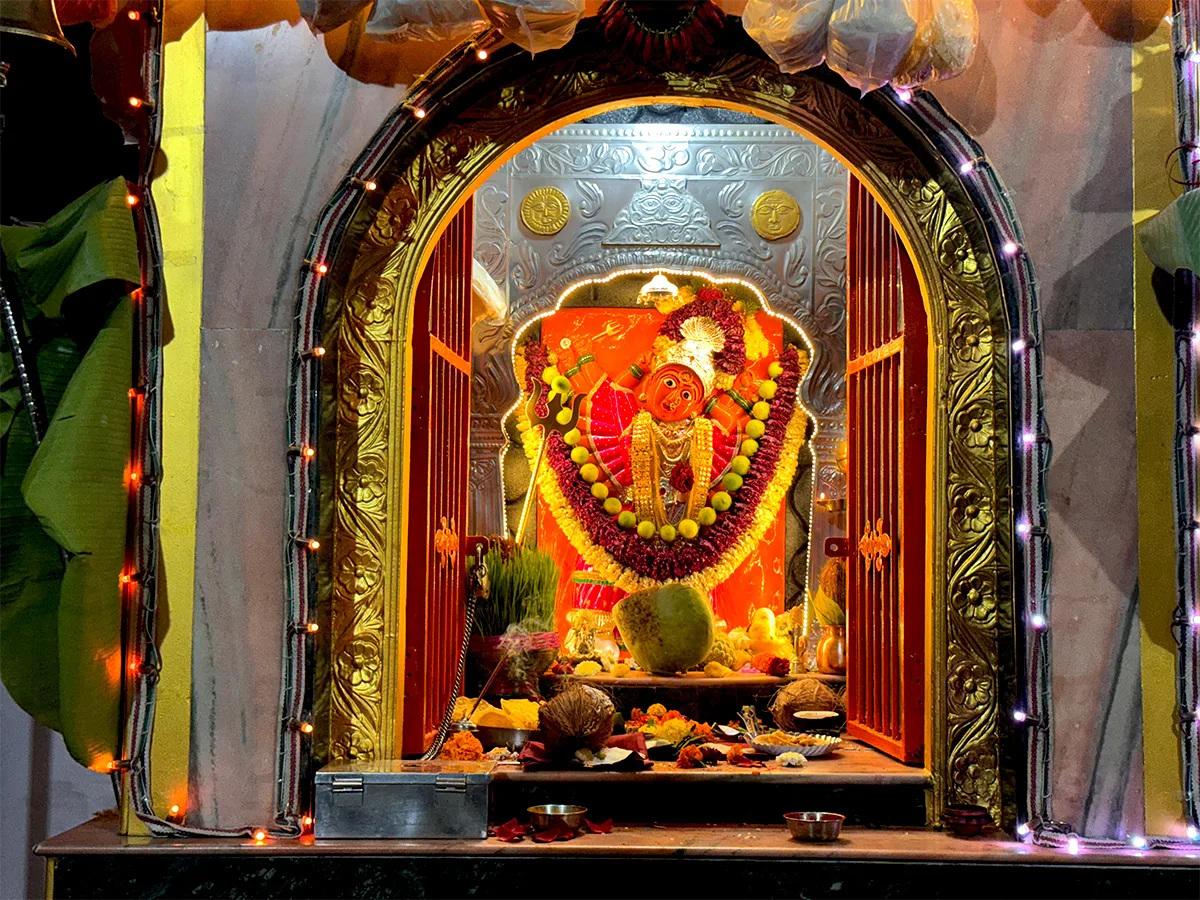
Devi mandirs across the city mark the occasion with special celebrations of their own: colourful lighting, elaborate poojas, and hawans draw devotees well past midnight.
The Sandvyavarchi Devi Mandir, on the banks of the Godavari beside the Naroshankar Temple, is one such place where the Kojagiri night comes alive with these rituals.
The Practical and Symbolic Significance of Kojagiri Purnima
Change of Season and Immunity Boost:
Kojagiri Purnima marks the end of the monsoon and the beginning of the cool season. Ayurveda considers this a transition phase when digestion and immunity need strengthening.
Drinking masala milk (boiled with saffron, cardamom, nutmeg, and dry fruits) helps maintain body warmth and nutrition – a natural immunity booster for early winter.
Cooling and Healing Effects of Moonlight:
Traditional belief says that moon rays on Sharad Purnima have special healing qualities.
Scientifically, the moon is closest to Earth around this time, and the reflected light (rich in ultraviolet filtering) is considered soothing for the eyes and mind.
Sitting under moonlight helps calm the nervous system and reduce stress – similar to meditation.
Symbolism of ‘Kojagara’ – Who is Awake?
The word Kojagara means “Who is awake?” It reminds us of mindfulness and spiritual alertness – a call to remain conscious of dharma, gratitude, and self-discipline.
In the ancient agrarian society, this was also the time when farmers stayed awake to guard the new harvest under open skies, blending spiritual awareness with practical purpose.
Full Moon and Mental Wellness:
The Sharad Purnima full moon is the brightest of the year – its visual and psychological impact is calming.
Studies suggest that exposure to natural moonlight and collective celebration under the open sky promotes mental relaxation and social bonding – essential elements of community well-being!
Kojagiri Purnima FAQs
What is Kojagiri Purnima (Sharad Purnima)?
Kojagiri Purnima, also known as Sharad Purnima or Kojagara Puja, is the full-moon night of the Hindu month of Ashwin, dedicated to Goddess Lakshmi and moon blessings. It involves staying awake, performing Lakshmi puja, and offering prasad such as kheer or masala milk under moonlight.
What is Kojagiri Purnima 2026 date?
Kojagiri Purnima will be celebrated on 25 October 2026. Devotees observe the full-moon night rituals, Lakshmi Puja and prasad offerings in the evening and at Nishita (midnight) time according to local panchang.
How is Kojagiri Purnima celebrated in Maharashtra and Nashik?
In Maharashtra, including Nashik, people prepare masala milk or kheer and keep it under moonlight. Temples in Nashik and mandals organize Lakshmi puja, bhajans, and community gatherings. Devotees usually stay awake, sing devotional songs, and often distribute prasad the next morning.
What should I prepare as prasad for Kojagiri Purnima?
Prasad for Kojagiri Purnima commonly includes kheer/masala milk, seasonal fruits, sweets, and offerings of flowers. It is made at home or temple, kept under moonlight overnight, and shared the next day as sacred prasad.
Why do people keep kheer under the moon on Sharad Purnima?
The tradition of keeping kheer or milk under moonlight relates to beliefs that moon beams impart healing, nourishing properties; the ritual is also considered a way of absorbing divine lunar energy and offering it back as prasad.
Is it safe to keep milk or kheer under the moon overnight?
Yes, but with precautions: prepare the milk/kheer hygienically in a clean vessel, cover it with a clean cloth to protect from dust/insects, and refrigerate if you are not consuming it early the next morning to avoid spoilage.
Is Kojagiri Purnima the same as Sharad Purnima?
Yes – Kojagiri Purnima and Sharad Purnima refer to the same festival, the full-moon night of the Hindu month of Ashwin. “Kojagiri” (or “Kojagara”) is the name more commonly used in Maharashtra and eastern India, while “Sharad Purnima” is the pan-India Sanskrit name referring to the Sharad (autumn) season it falls in.
What is the story behind Kojagiri Purnima?
The story centres on Goddess Lakshmi descending to Earth on this full-moon night and asking “Ko Jagarti?” – “Who is awake?” – as she moves from home to home. Those found awake in devotion, rather than asleep, are believed to receive her blessings of prosperity and good fortune for the year ahead; this is the origin of the name Kojagiri/Kojagara itself.