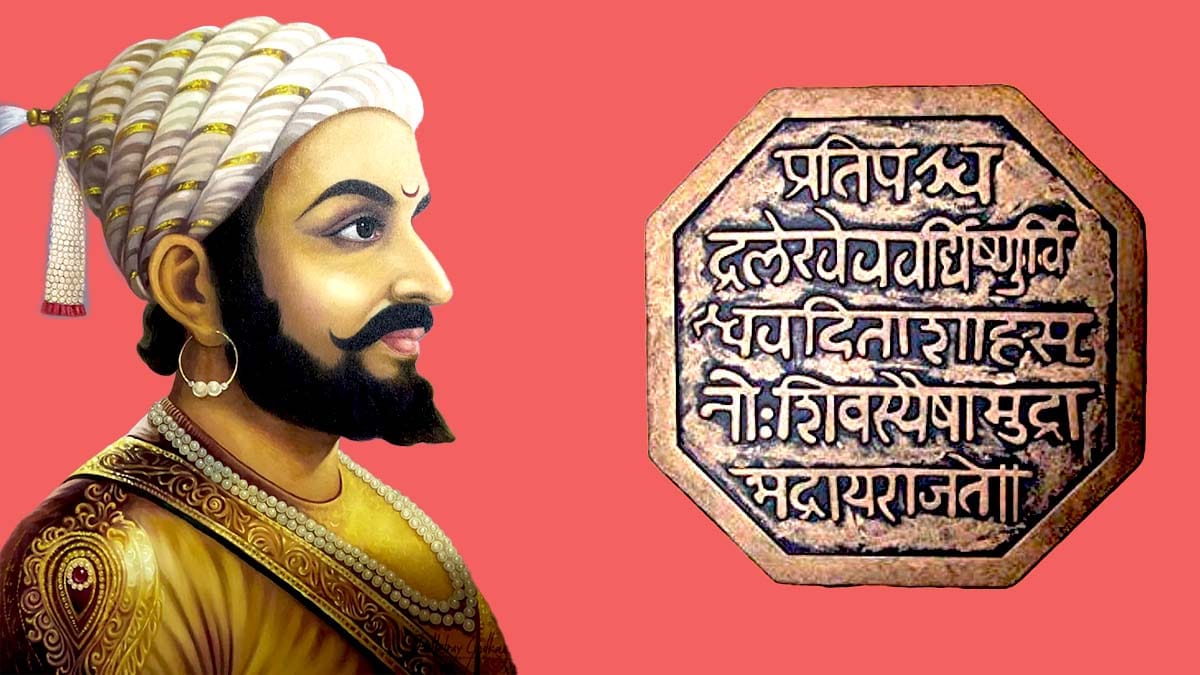
Chhatrapati Shivaji Maharaj Jayanti, also known as Shiv Jayanti or Shivaji Jayanti, is a proud remembrance of one of India’s greatest kings – Chhatrapati Shivaji Maharaj, the founder of Swarajya and the architect of a people-centric kingdom rooted in justice, courage, and cultural self-respect.
Celebrated with deep devotion across Maharashtra and beyond, Shiv Jayanti 2026 marks the birth anniversary of the visionary ruler who transformed adversity into strength and established Rayateche Rajya – a realm or kingdom of the people.
Chhatrapati Shivaji Maharaj: The King Who Redefined Leadership
Chhatrapati Shivaji Maharaj occupies a unique place in Indian history as a ruler who combined military brilliance with ethical governance.
Known widely as Shivaji Maharaj or simply Maharaj, he was not merely a warrior king but a statesman who understood the pulse of the land and its people.
At a time when powerful empires dominated the entire country, Shivaji Maharaj rose from the hills of the Sahyadris to challenge the tyrant entrenched powers with courage, strategy, and moral authority.
The title Chhatrapati itself symbolised sovereignty and responsibility – protection of the realm and welfare of the people.
Also read: Sita Gufa Temple in Nashik
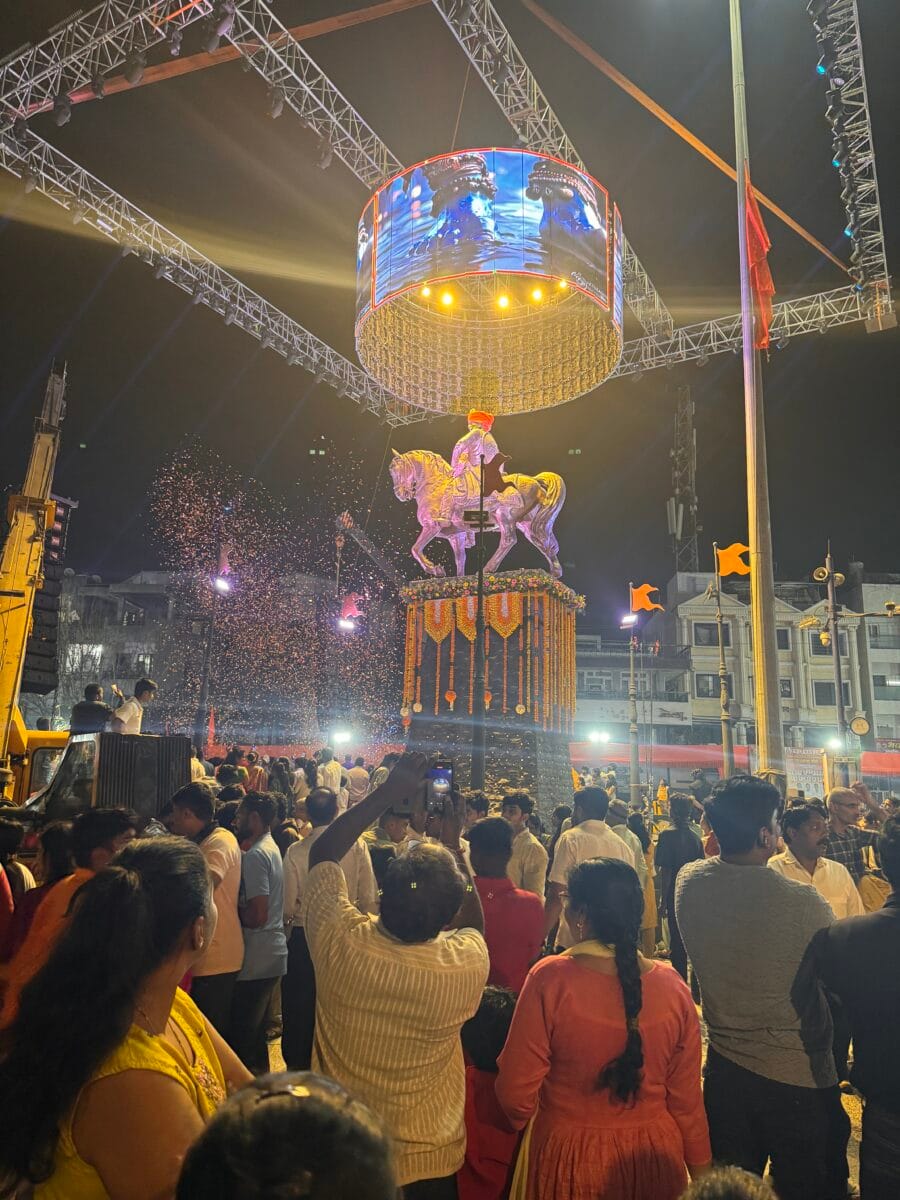
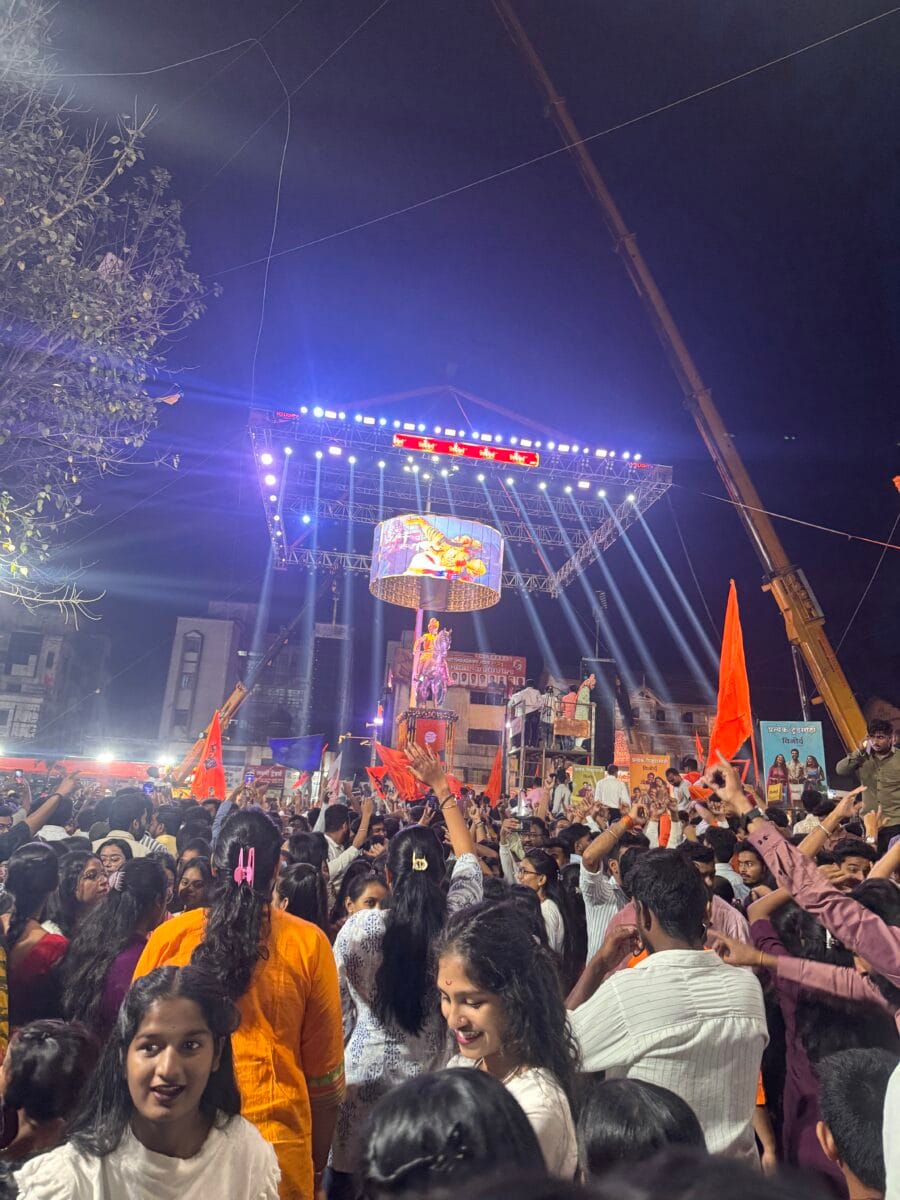
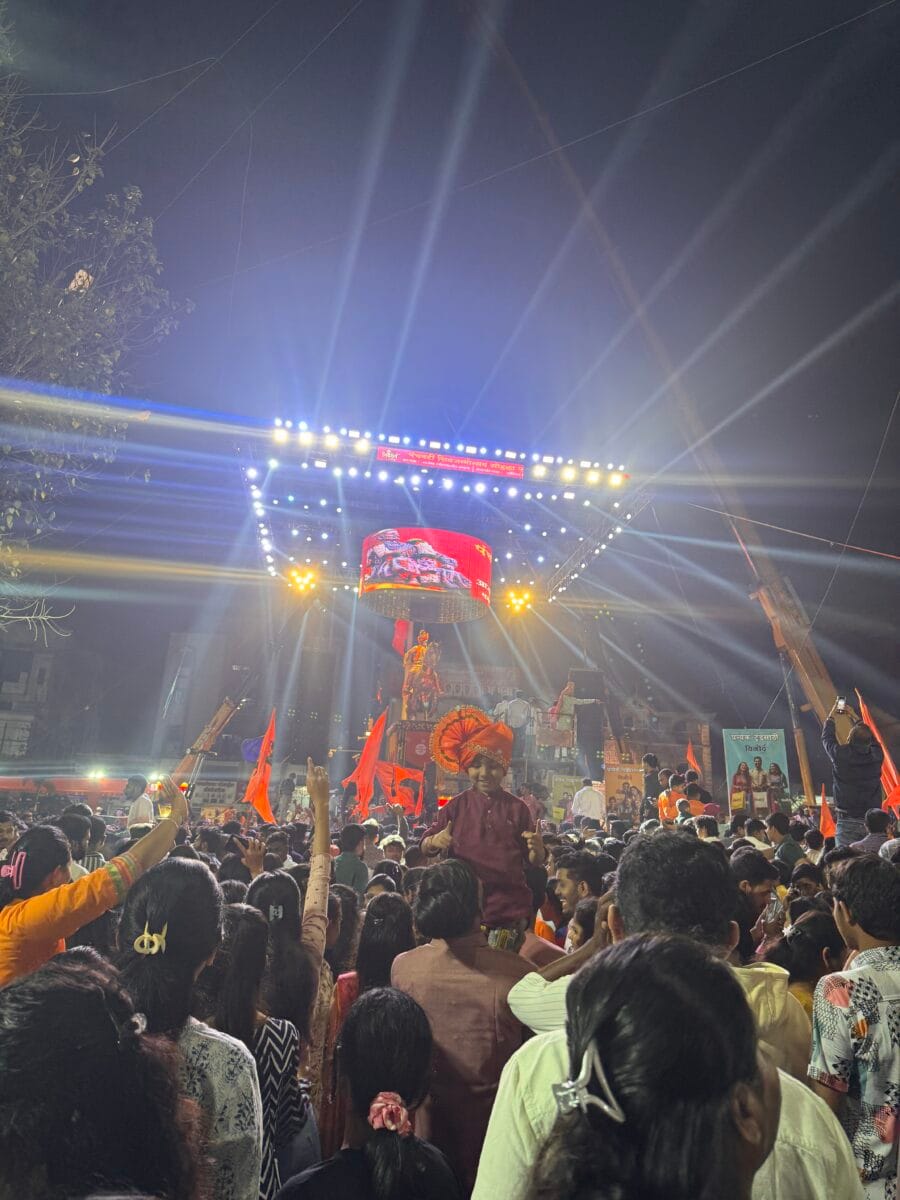
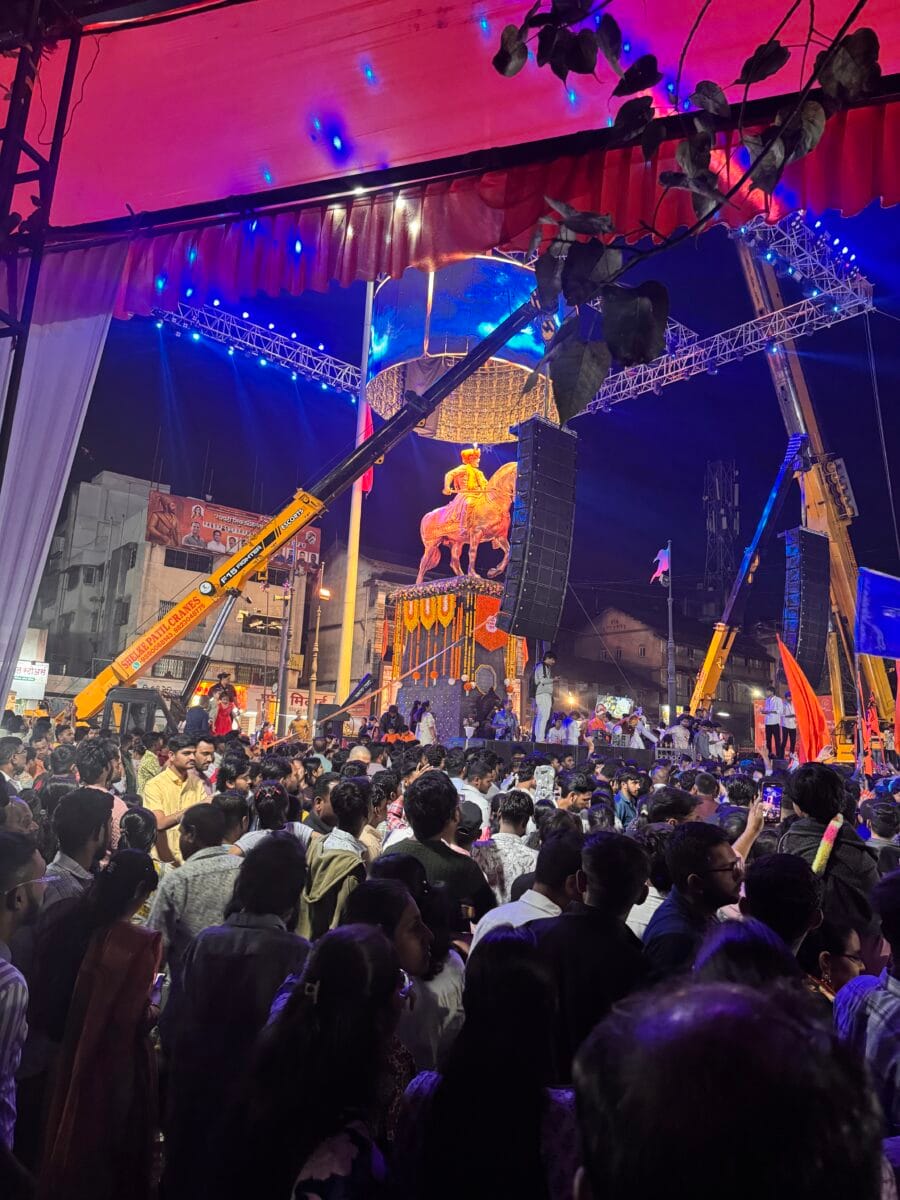
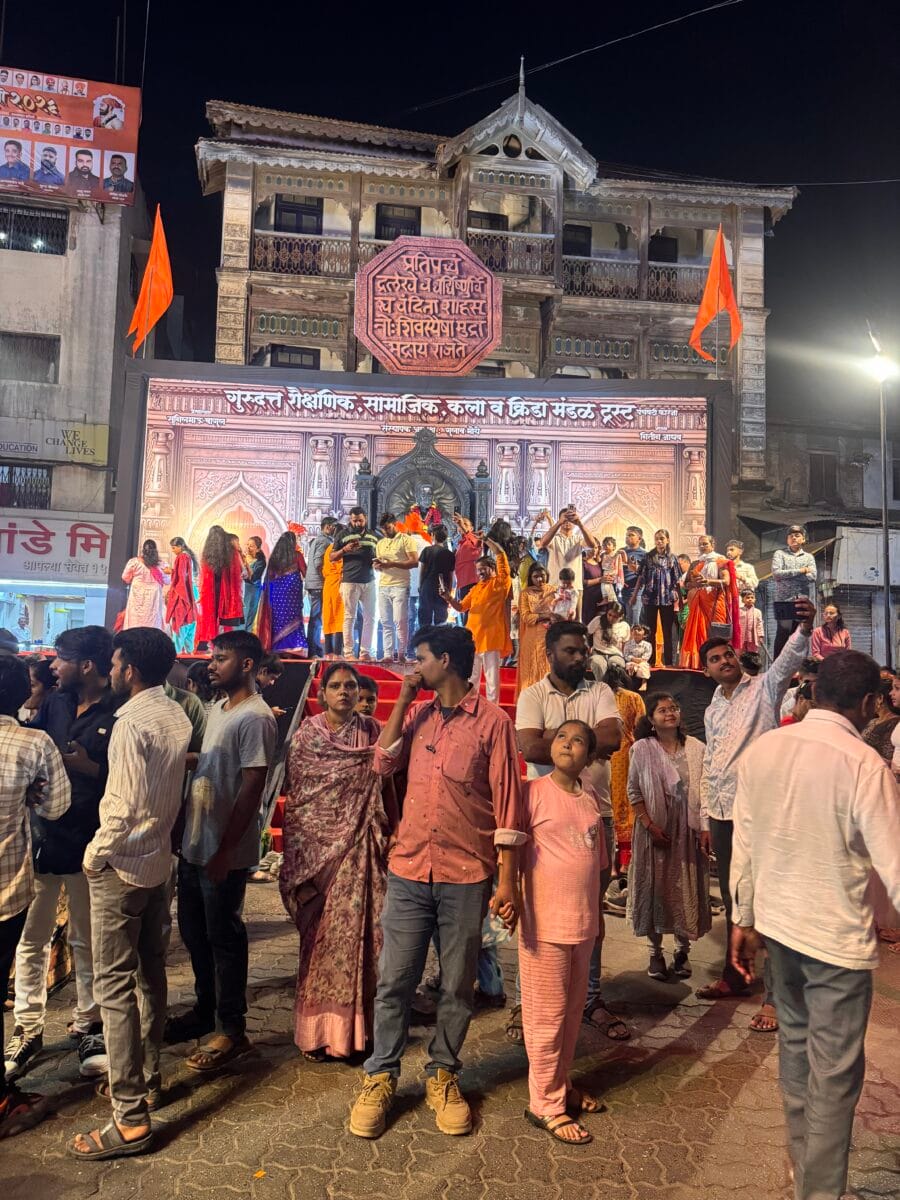
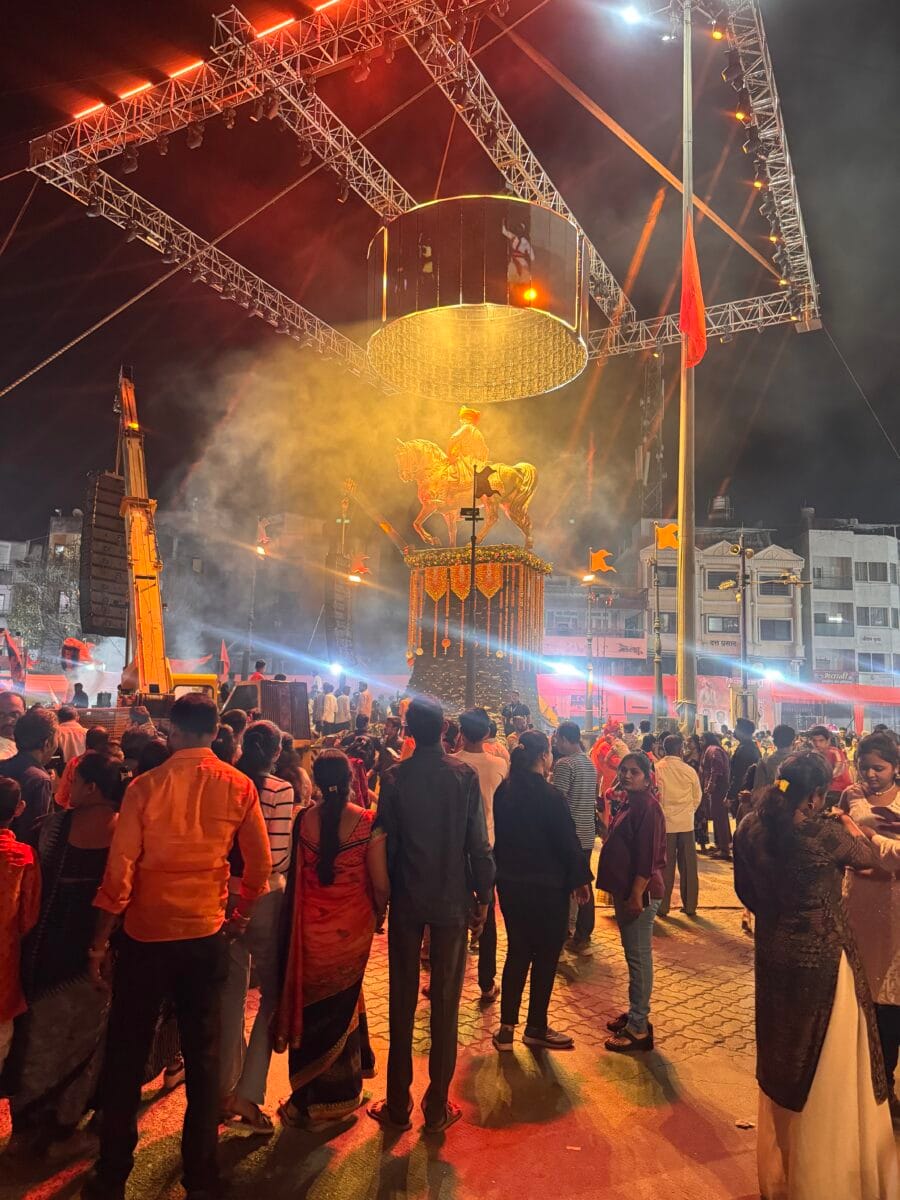
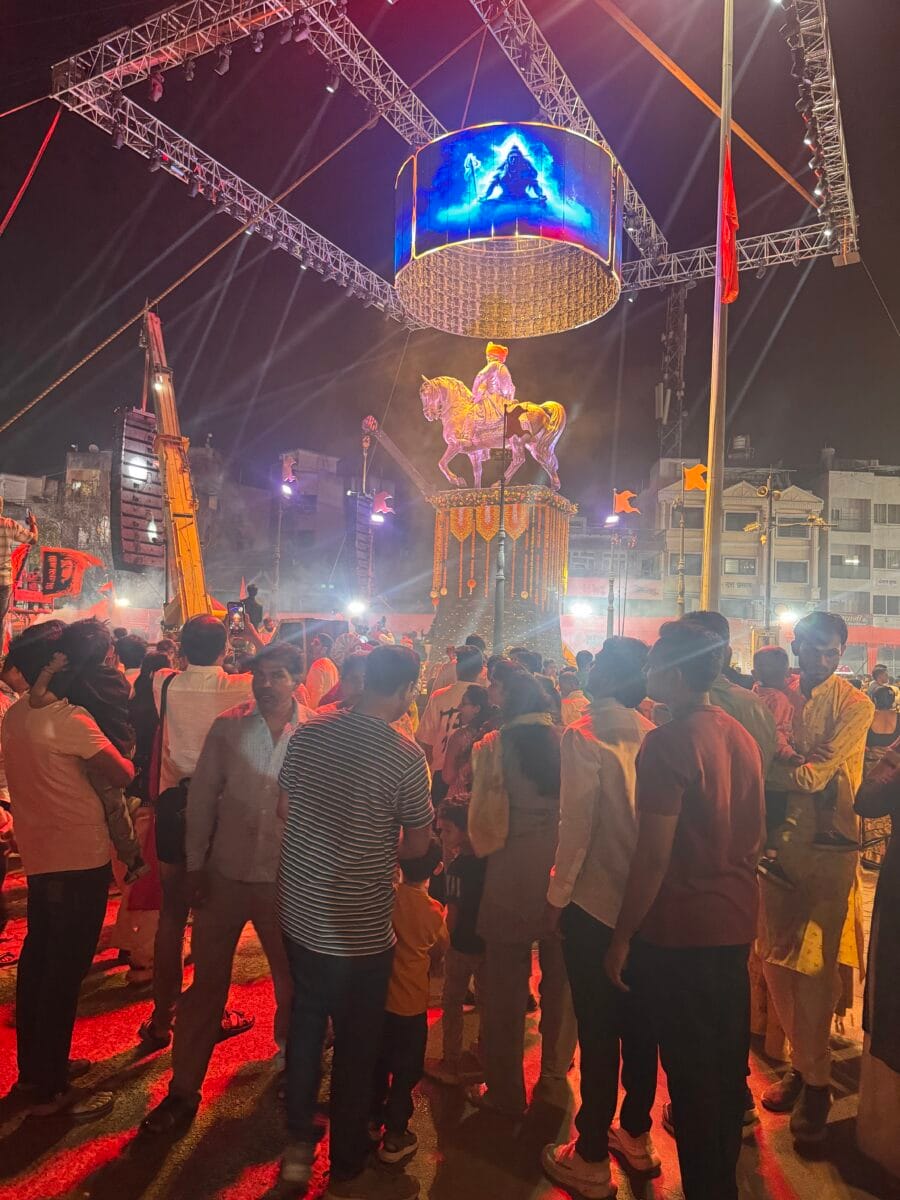
Chhatrapati Shivaji Maharaj Jayanti Celebrations at Panchavati Karanja Nashik (19 Feb 2026)
Shivaji Maharaj: Birth, Early Life and the Making of a Visionary
Shivaji Maharaj’s birth year is widely recorded as 1630 CE, and his date of birth is traditionally celebrated on 19 February, making Shivaji Jayanti a moment of historical pride.
Born at Shivneri Fort, also known as Shivneri Killa, young Shivaji was shaped profoundly by his mother Rajmata Jijabai and father Shahaji Raje.
Rajmata Jijabai hailed from the Jadhav family of Sindkhed Raja, a distinguished warrior-administrative clan, traditionally believed to have ancestral links with the Yadava dynasty of erstwhile Devagiri.
Shahaji Raje, on the other hand, belonged to the Bhonsle clan of the Deccan, a rising Maratha lineage whose descendants later founded influential states, including the Bhonsle kingdom of Nagpur.
From Jijabai, young Shivaji imbibed the ideals of Dharma, courage, and devotion, while Shahaji’s political experience exposed him quite early in life to the harsh realities of power.
Shivaji Maharaj Jayanti thus commemorates not just the birth of an individual, but the awakening of a civilisational vision.
Rayateche Rajya: A People’s Kingdom Born Against All Odds
Perhaps the most defining contribution of Chhatrapati Shivaji Maharaj was the establishment of Rayateche Rajya – a kingdom that belonged to its people.
Surrounded by formidable tyrannic forces such as the Mughal Empire, Adilshahi, and Nizamshahi, Shivaji Maharaj faced insurmountable odds, yet, through guerrilla warfare, deep knowledge of terrain, and the unwavering support of the local populace, he laid the foundation of Hindavi Swarajya.
Hindavi Swarajya was the idea of a kingdom where governance served the people, protected culture, and upheld justice.
Unlike many rulers of his time, Shivaji Maharaj governed in the language of the land, respected farmers and traders, ensured protection of women, and upheld justice irrespective of faith.
His kingdom was not sustained by fear and brute force, but by the spirit of bravery and self respect of the Mavala’s, (the soldiers of the Maratha army) and the will of the people.
Rayateche Rajya, the people’s realm, was a revolutionary idea in medieval India.
Also read: Kalaram Mandir Nashik
Shivaji Maharaj Family Tree
Shivaji Maharaj’s Parents and Brother
Shivaji Maharaj’s mother Rajmata Jijabai was born into the Jadhav clan of Sindkhed Raja, a prominent Deshmukh family tracing its history with the erstwhile Yadava dynasty of Devagiri. She herself played a defining role in shaping Shivaji Maharaj’s moral and cultural orientation, spirit of courage and devotion, and sense of Dharma.
Shahaji Raje Bhonsle, Shivaji Maharaj’s father, belonged to the Bhonsle clan, a rising Maratha lineage that served under various Deccan sultanates. Shahaji Raje’s political experience and strategic acumen provided the practical foundation upon which Shivaji Maharaj later built Swarajya.
Shivaji Maharaj had an elder brother, Sambhaji Bhosale, born to Shahaji Raje and Jijabai, who was treacherously killed by Afzal Khan. In memory of his elder brother, Shivaji Maharaj named his own eldest son Sambhaji.
Wives of Chhatrapati Shivaji Maharaj
In accordance with the customs and political alliances of the time, Shivaji Maharaj had multiple wives, each marriage strengthening social and regional bonds. His wives included:
- Saibai – chief queen and mother of Sambhaji Maharaj (from the Nimbalkar family)
- Soyarabai – mother of Rajaram Maharaj (from the Mohite family)
- Putalabai
- Sakvarbai
- Kashibai Jadhav
- Gunavantabai Ingle
- Saguna Bai
Shivaji Maharaj’s Sons and Daughters
Chhatrapati Sambhaji Maharaj, the eldest son and successor of Shivaji Maharaj, was married to Yesubai, who hailed from the influential Shirke family of Kokan.
Chhatrapati Rajaram Maharaj, the younger son of Shivaji Maharaj, was married to Tarabai, the daughter of Hambirrao Mohite, the celebrated Senapati of the Maratha Empire.
Sakhubai – married into the Nimbalkar family.
Ranubai – married into the Shirke family.
Ambikabai – married into the Mahadik family.
Also read: Trimbakeshwar Jyotirlinga Mandir
Shivaji Maharaj: Forts that became the pillars of Swarajya
The story of Chhatrapati Shivaji Maharaj is inseparable from the forts of the Sahyadri ranges and the Konkan coast, each marking a defining phase in his life and the rise of Hindavi Swarajya.
Shivneri
Shivaji Maharaj was born at Shivneri Fort, a stronghold perched above Junnar, where the ideals of courage, self-rule, and devotion to Dharma were instilled in him under the guidance of Rajmata Jijabai. Shivneri thus stands not only as his birthplace but as the spiritual beginning of Swarajya.
Torna
The first decisive step towards establishing independent rule came with the conquest of Torna Fort in 1646, later renamed Prachandagad. This bold act signaled the emergence of a new power in the Deccan and marked the formal beginning of Shivaji Maharaj’s military and political journey.
Salher
In northern Maharashtra, Salher Fort, the site of a decisive victory against the Mughals, proved that Shivaji Maharaj could defeat imperial armies in open terrain, shattering the myth of Mughal invincibility.
Rajgad
As Swarajya expanded, Rajgad Fort became the first capital of the Maratha state. From Rajgad, Shivaji Maharaj planned campaigns, administered justice, and laid the foundations of an organized and disciplined kingdom. It was here that many crucial decisions were taken, making Rajgad the cradle of Swarajya’s administration.
Pratapgad
Among the forts that symbolized valor and sacrifice, Pratapgad occupies a special place. The historic encounter with Afzal Khan in 1659 took place near this fort, establishing Shivaji Maharaj’s reputation as a strategist of unmatched foresight and courage, and asserting Maratha dominance in the western Deccan.
Coastal Forts
To secure the Konkan coastline against foreign naval powers, Shivaji Maharaj constructed formidable sea forts such as Sindhudurg and Vijaydurg. These forts transformed the Marathas into a strong naval force and safeguarded Swarajya’s maritime trade and coastal security.
Vishalgad and Panhala
Deep in the Western Ghats, forts like Vishalgad played a crucial role during Shivaji Maharaj’s daring escape from Panhala, offering refuge and strategic advantage. Panhala Fort itself was a major military base in southern Maharashtra and a focal point of prolonged sieges and campaigns.
Sinhagad and Purandar
The struggle for Swarajya also witnessed moments of immense sacrifice. Sinhagad, associated with the legendary battle led by Tanaji Malusare, stands as an eternal symbol of loyalty and valor, while Purandar Fort reminds us of the intense resistance offered to Mughal forces during critical phases of the Maratha-Mughal conflict.
Jinjee
Beyond the Deccan, Shivaji Maharaj’s strategic vision extended to distant frontiers. The capture and defense of Jinjee Fort in Tamil Nadu during later campaigns demonstrated the far-reaching influence and resilience of the Maratha state, even in hostile territory.
Raigad
Finally, Raigad Fort, rising majestically above the Konkan, became the capital of Swarajya and the site of Shivaji Maharaj’s coronation in 1674. From Raigad, he ruled as Chhatrapati, embodying the ideal of a just, dharmic, and people-centric king.
These forts narrate the life journey of Shivaji Maharaj, from a brave visionary child born in the Sahyadris, to the founder of an empire which was established against all odds and by the will of the people!.
Also read: Brahmagiri Parvat near Trimbakeshwar
How Shiv Jayanti Is Celebrated Today
Shiv Jayanti, also known as Shivaji Jayanti, and Chhatrapati Shivaji Maharaj Jayanti is celebrated with grandeur and devotion in Maharashtra.
Processions, cultural programs, historical reenactments, fort expeditions, and public readings of Shivaji Maharaj’s ideals mark the day. Many observe the festival as a public event, while in some regions Shivaji Jayanti holiday status is granted.
While the government and general celebration of Shivaji Jayanti takes place on 19 February, some also observe Shiv Jayanti by tithi as per the traditional lunar calendar.
Shiv Jayanti Quotes, Wishes and Cultural Expressions
Expressions of reverence take many forms – Shiv Jayanti quotes, Shivaji Jayanti quotes, and Shiv Jayanti quotes in Marathi are widely shared.
Cultural elements such as Shiv Jayanti banner, Shivaji Maharaj Jayanti banner, and Shiv Jayanti rangoli add colour and devotion to celebrations. Many also exchange Shiv Jayanti wishes in Marathi, keeping the linguistic and cultural spirit alive.
Chhatrapati Shivaji Maharaj’s Legacy in Modern India
The legacy of Shivaji Maharaj is deeply embedded in modern India. Major landmarks such as Chhatrapati Shivaji Maharaj International Airport and Chhatrapati Shivaji Maharaj Terminus (both in Mumbai City) stand as national tributes.
Educational institutions like Shivaji University and Shivaji College further reflect his enduring influence.
Images, Art and the Visual Memory of Shivaji Maharaj
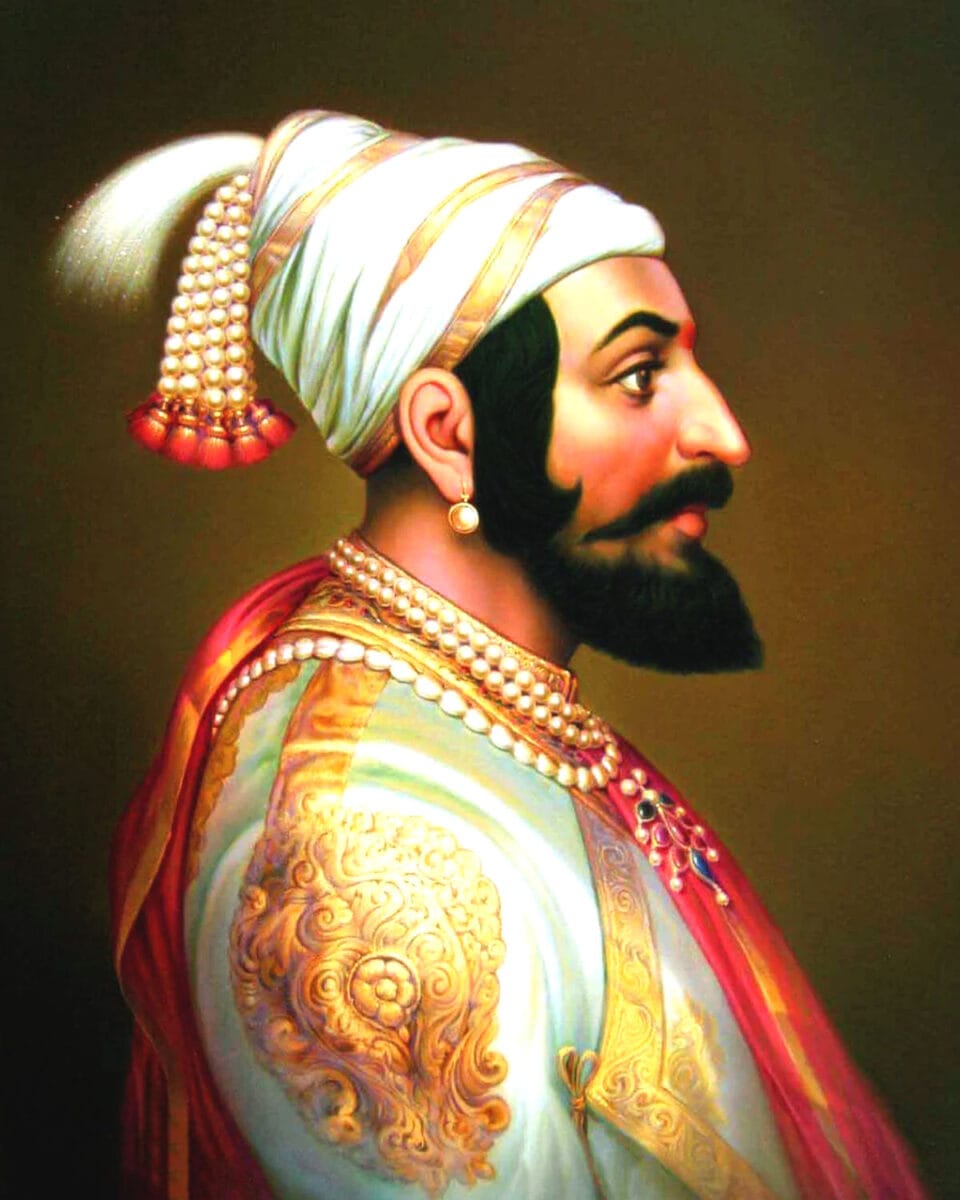
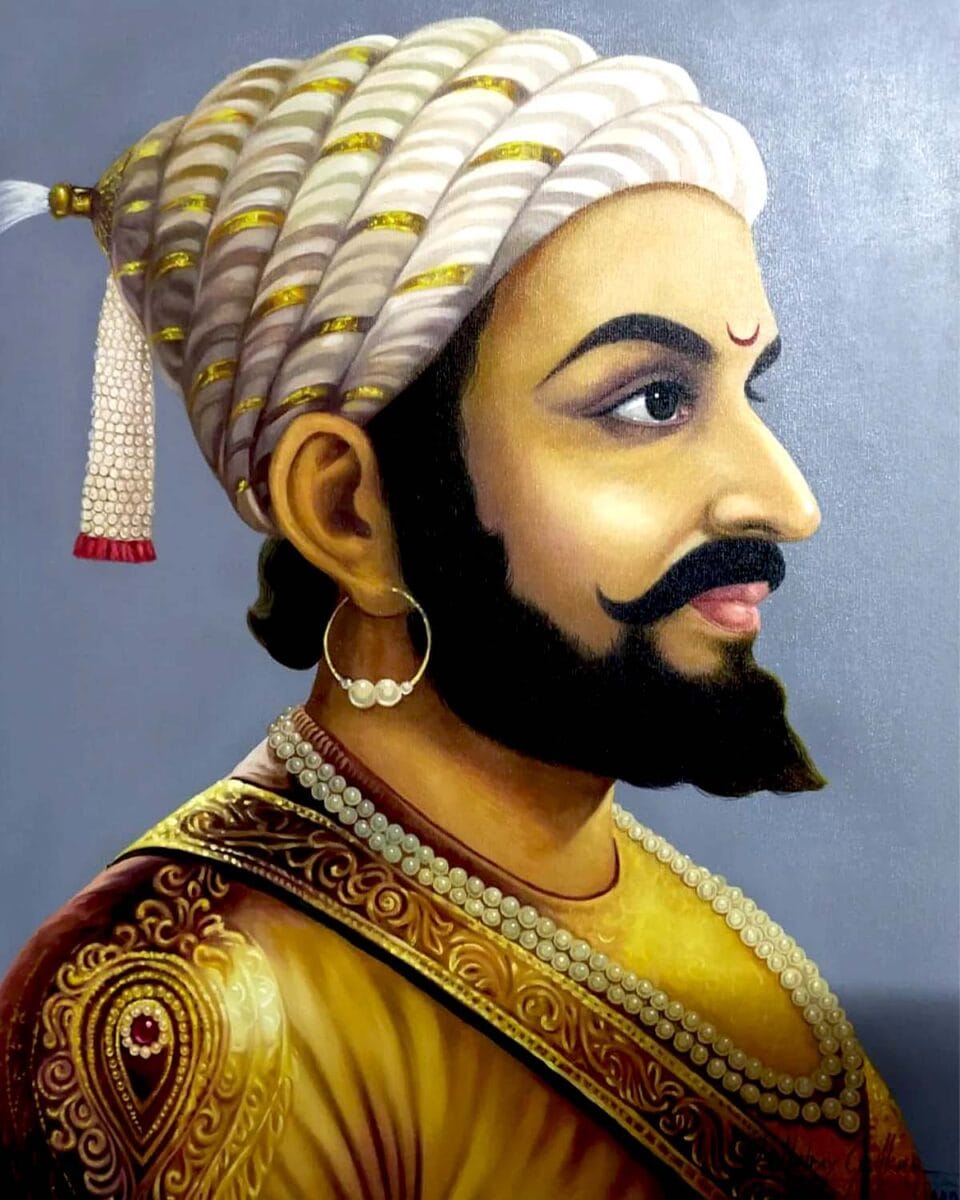
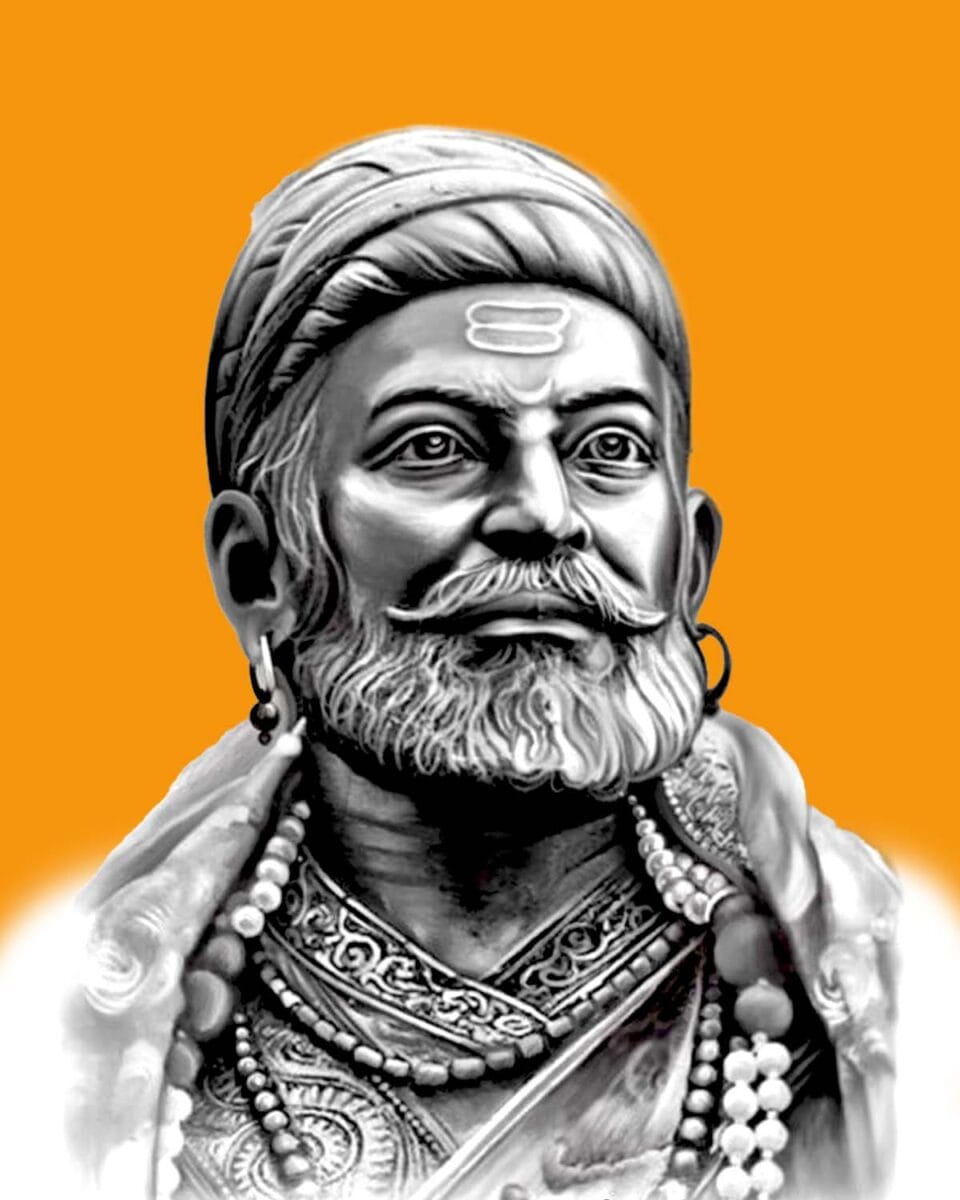
The visual legacy of Shivaji Maharaj is preserved through countless depictions – Shivaji Maharaj photo, Chhatrapati Shivaji Maharaj image, and Shivaji Maharaj drawing. These images serve not just as art, but as symbols of inspiration for generations.
The Enduring Legacy of Chhatrapati Shivaji Maharaj
Shivaji Maharaj death date in 1680 marked the end of a remarkable life, but not the end of his ideals. The spirit of Swarajya, dignity, and people-centric governance continues to inspire Bharat even today.
Shiv Jayanti is thus more than a remembrance – it is a reaffirmation of values that define leadership, justice, courage and cultural self-confidence.
As Chhatrapati Shivaji Maharaj Jayanti 2026 is observed, the legacy of the great king reminds us that true power lies in serving the people and upholding Dharma – timeless lessons from a ruler who built a kingdom for his people.