Gudi Padwa 2026, which will be celebrated on 19 March 2026, marks the beginning of the traditional Marathi New Year (also the Hindu New Year) and is one of the most joyous festivals celebrated in the Indian state of Maharashtra.
Observed on the first day of the Chaitra month according to the Hindu lunisolar calendar, the festival symbolizes renewal, prosperity, and the arrival of spring.
Gudi Padwa is the first day of the Marathi New Year and marks the beginning of Chaitra Navratri.
Families decorate their homes, raise the sacred Gudi, prepare festive dishes, and exchange greetings to welcome the new year with hope and positivity.
Gudi Padwa will be celebrated with devotion and enthusiasm across Maharashtra and especially cities like Mumbai, Pune and Nashik, where colourful processions and community celebrations bring the spirit of the festival alive.
Ramkund Nashik: Sacred Pilgrim Destination and the Venue of the Kumbh Mela
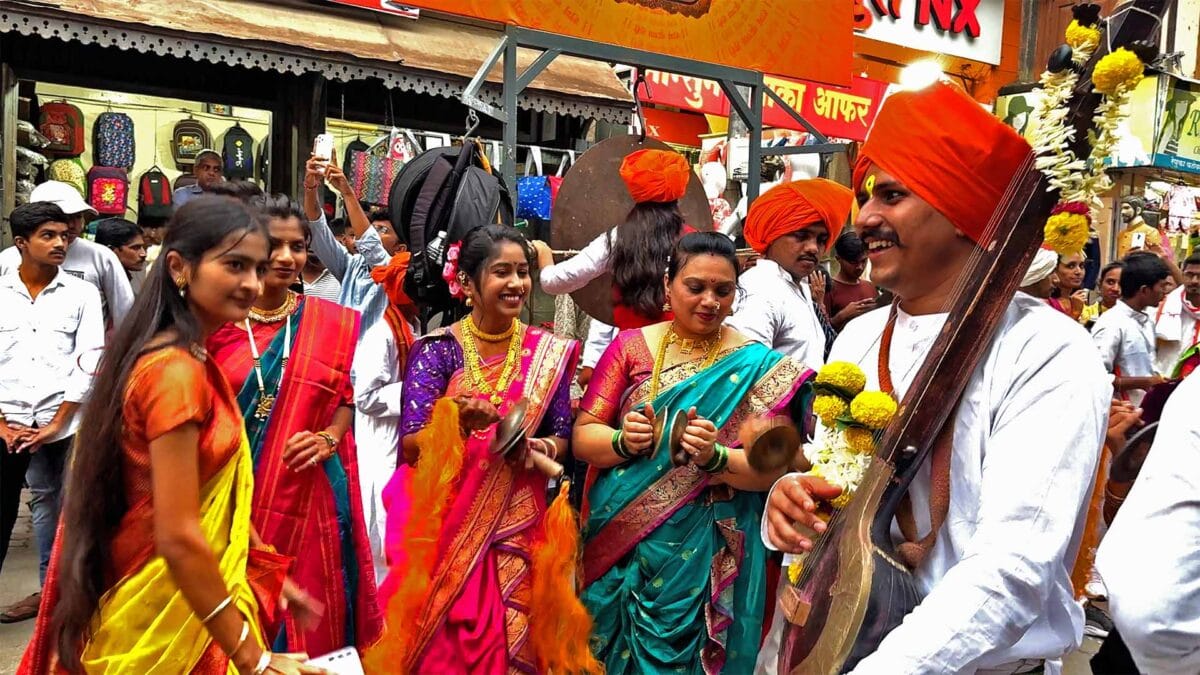
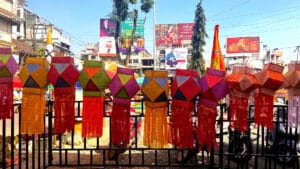
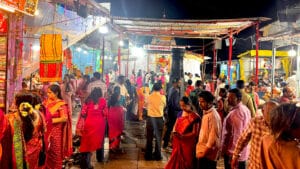
Gudi Padwa 2026 Images – Shobha Yatra photos from Panchavati Nashik
Gudi Padwa 2026
The festival falls on Chaitra Shukla Pratipada, the first day of the bright fortnight of the Chaitra month (first day of the Hindu New Year).
Gudi Padwa 2026 Date:
This year the festival will be celebrated on 19 March 2026.
Gudi Padwa 2026 Tithi
- Tithi starts : 6.52 am on 19 March 2026
- Tithi ends : 4.52 am on 20 March 2026
This auspicious day marks the beginning of the Hindu New Year across India. The same festival is celebrated under different names across the country.
The Hindu calendar follows lunar cycles hence the date of Gudi Padwa changes each year.
- Gudi Padwa 2026 – March 19 2026
- Gudi Padwa 2025 – March 30 2025
- Gudi Padwa 2024 – April 9 2024
Chaitra Navratri: Nine Day Festival Welcoming The Hindu New Year!
Gudi Padwa Significance
Gudi Padwa signifies new beginnings, victory, and prosperity. The word Padwa comes from the Sanskrit word Pratipada, referring to the first day of the lunar fortnight and it represents:
- The start of the Marathi New Year
- The arrival of spring and the harvest season
- A time for renewal and spiritual beginnings
In Hindu tradition, Gudi Padwa is also considered one of the “Saade Teen Muhurat”, the three and a half most auspicious days of the year when new ventures can be started without consulting a special muhurat.
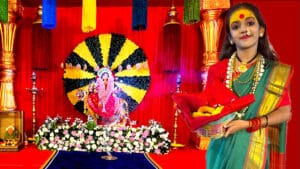
Gudi Padwa Video from Panchavati Nashik
Why Gudi Padwa is Celebrated
There are several cultural and mythological legends associated with the festival.
Creation of the Universe
According to Hindu belief, the creator deity Brahma began the creation of the universe on this day. Therefore, the day marks the beginning of time in the Hindu calendar.
Shalivahana Era
The festival is also linked to the legendary king Shalivahana, whose victory against barbarians established the Shalivahana Shaka era, which later became the basis for the Indian national calendar.
The Symbolism of the Gudi
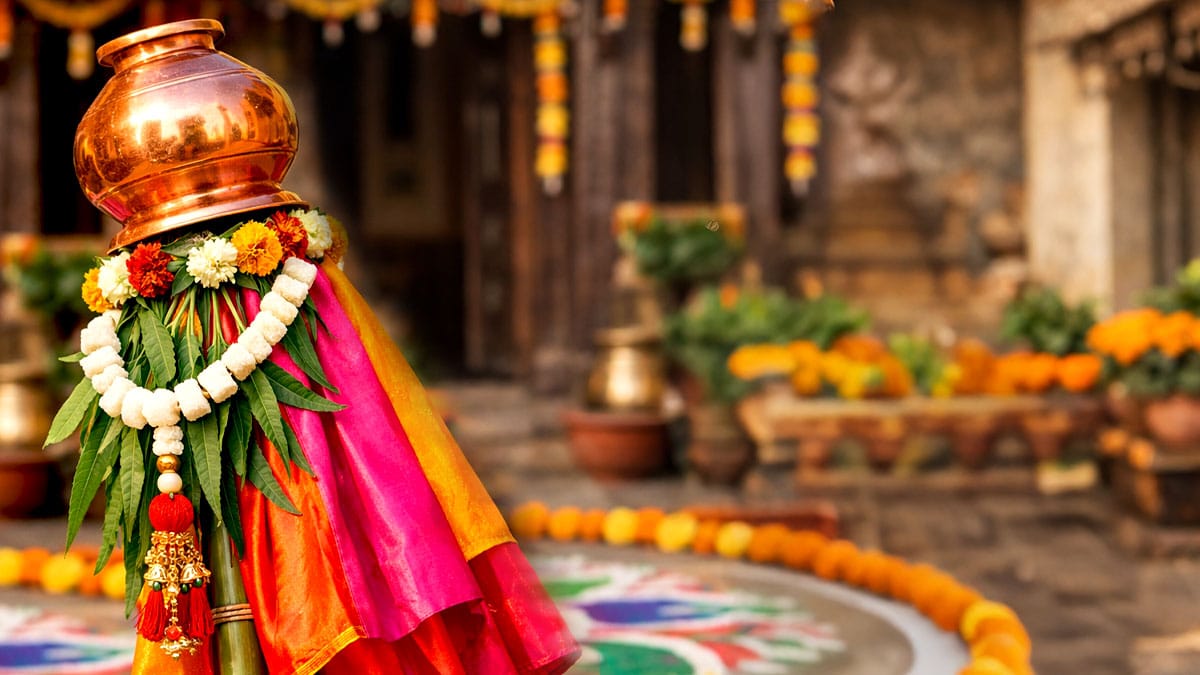
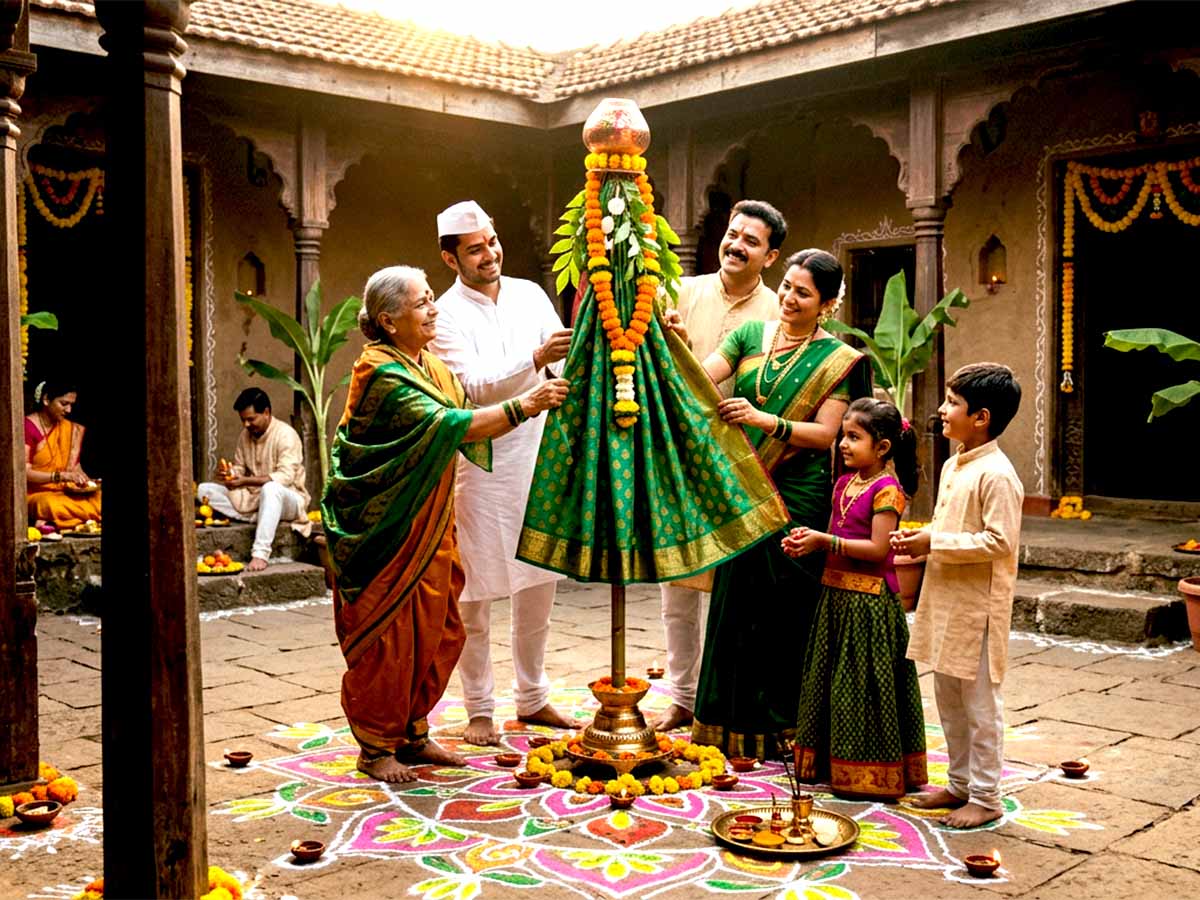
The most distinctive aspect of the festival is the raising of the Gudi, a decorated flag-like pole placed outside homes.
A traditional Gudi consists of:
- A long bamboo pole
- A bright silk cloth or saree
- Mango and neem leaves
- A garland of sugar crystals
- An inverted copper or silver pot placed at the top
The Gudi is believed to represent victory, prosperity, and protection from negative influences. It is usually placed on the right side of the house entrance or near a window where it is visible from the street.
In Maharashtrian culture, the Gudi is also considered a Brahmadhwaj, or the flag of Brahma, symbolizing divine blessings for the coming year.
How Gudi Padwa is Celebrated in Maharashtra
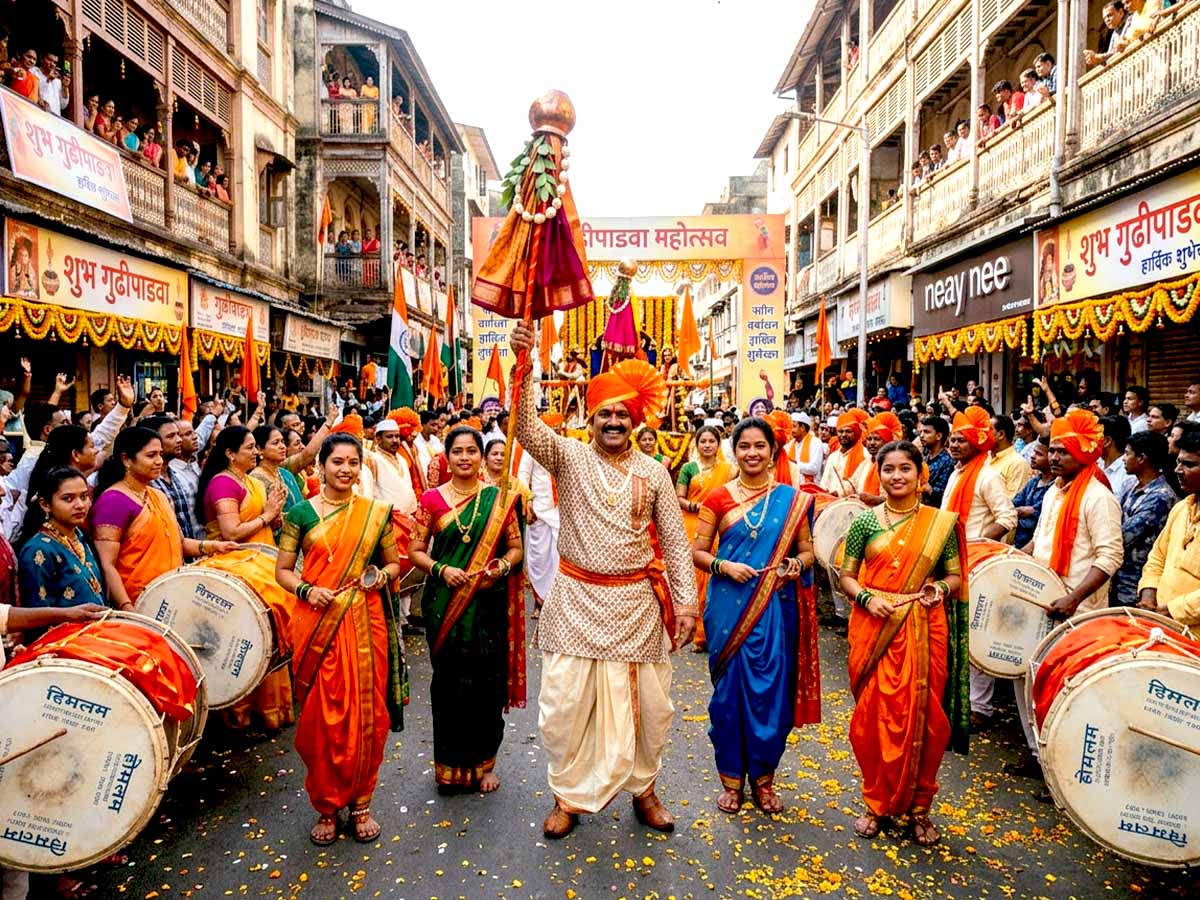
Gudi Padwa celebrations begin early in the morning with rituals and preparations. Homes are thoroughly cleaned and decorated with colourful rangoli designs at the entrance.
Families wear traditional attire such as nauvari sarees for women dhoti, kurta, and pheta turbans for men and the rituals include:
- Raising the Gudi outside the house
- Performing prayers and offering flowers
- Visiting temples
- Sharing festive meals with family
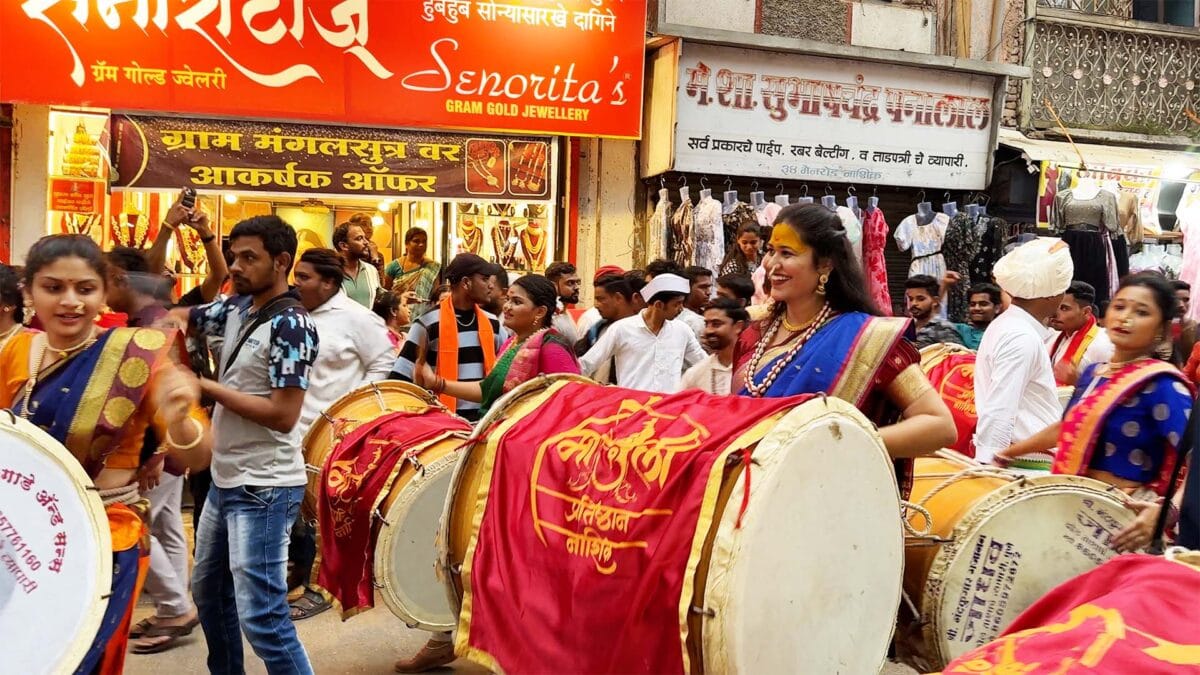
Large cities such as Pune, Nashik, and Mumbai organise grand Shobha Yatras (festive processions) featuring traditional music, dance performances, and people dressed in traditional costumes representing the heritage of Maharashtra.
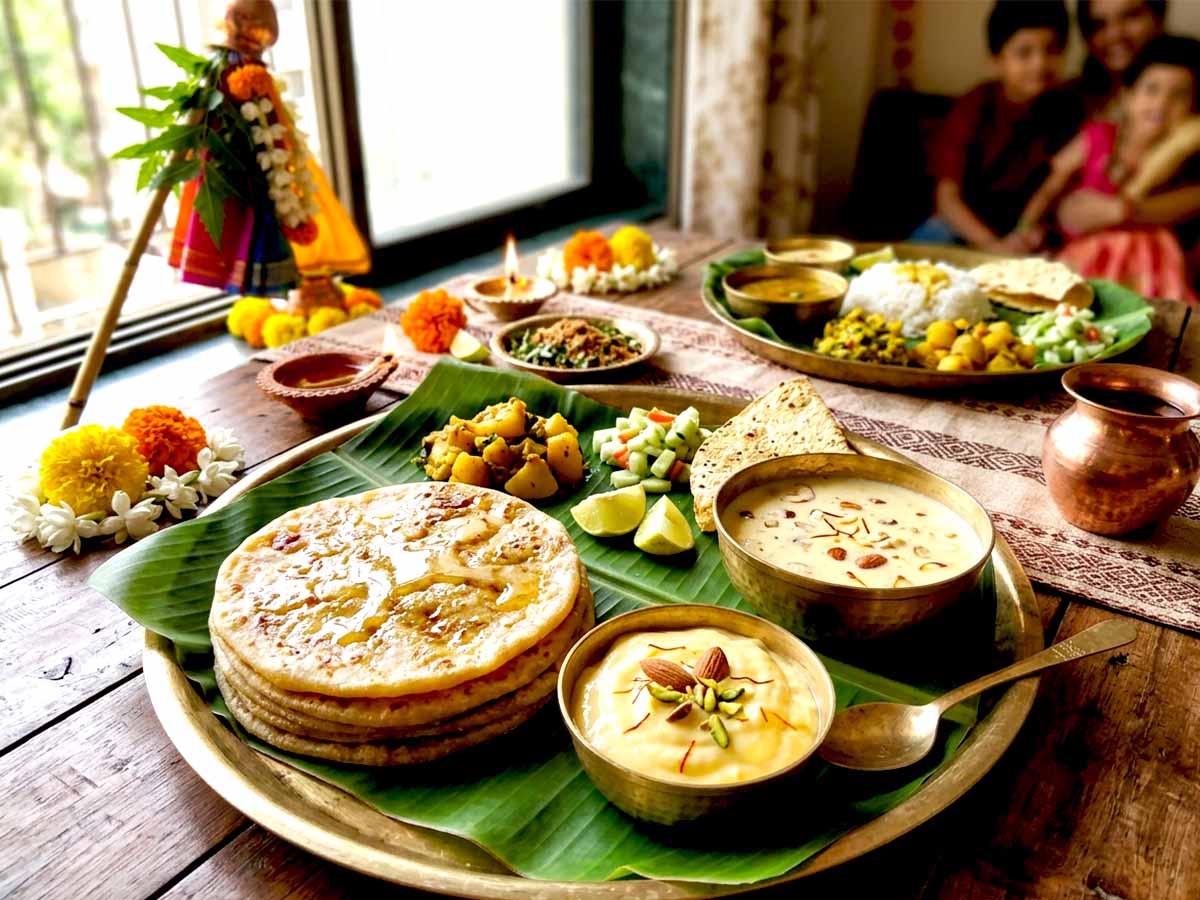
Traditional Foods of Gudi Padwa
Food plays an important role in Gudi Padwa celebrations. Some of the most popular festive dishes include:
- Puran Poli – sweet flatbread filled with lentil and jaggery filling
- Shrikhand – a sweet yogurt dessert flavoured with saffron and cardamom
- Basundi – thickened sweet milk
- Neem and jaggery mixture
The mixture of neem leaves and jaggery has deep symbolism. Neem represents the bitter experiences of life, while jaggery symbolizes sweetness. Consuming them together signifies accepting both joy and hardship with balance and wisdom.
Gudi Padwa Rangoli and Decorations
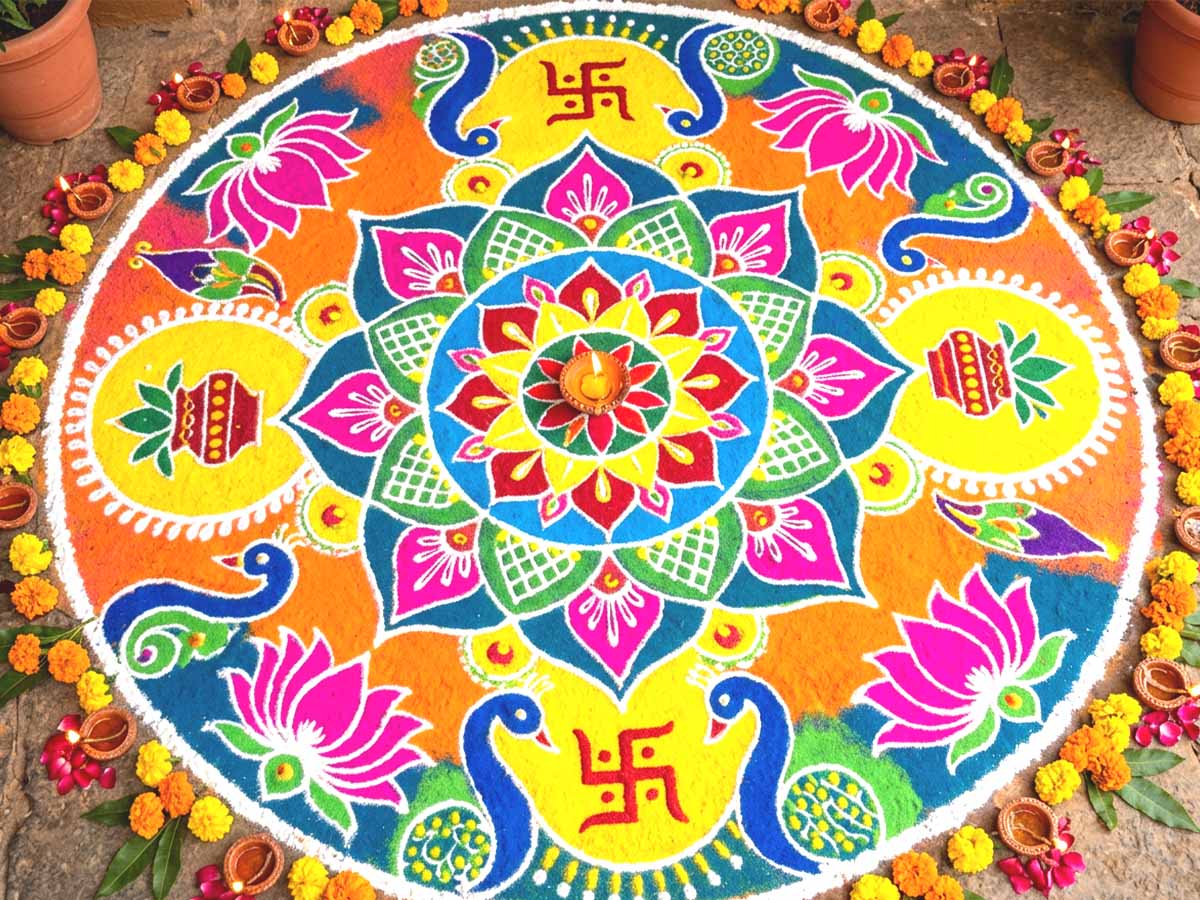
Decorating homes is an essential part of the festival. Many households create colourful Gudi Padwa rangoli designs outside their entrances using coloured powders and flower petals. These rangoli patterns often feature:
- lotus motifs
- geometric patterns
- images of the Gudi
- traditional auspicious symbols
Rangoli is believed to invite prosperity and positive energy into the home during the new year.
Gudi Padwa Drawing and Cultural Activities
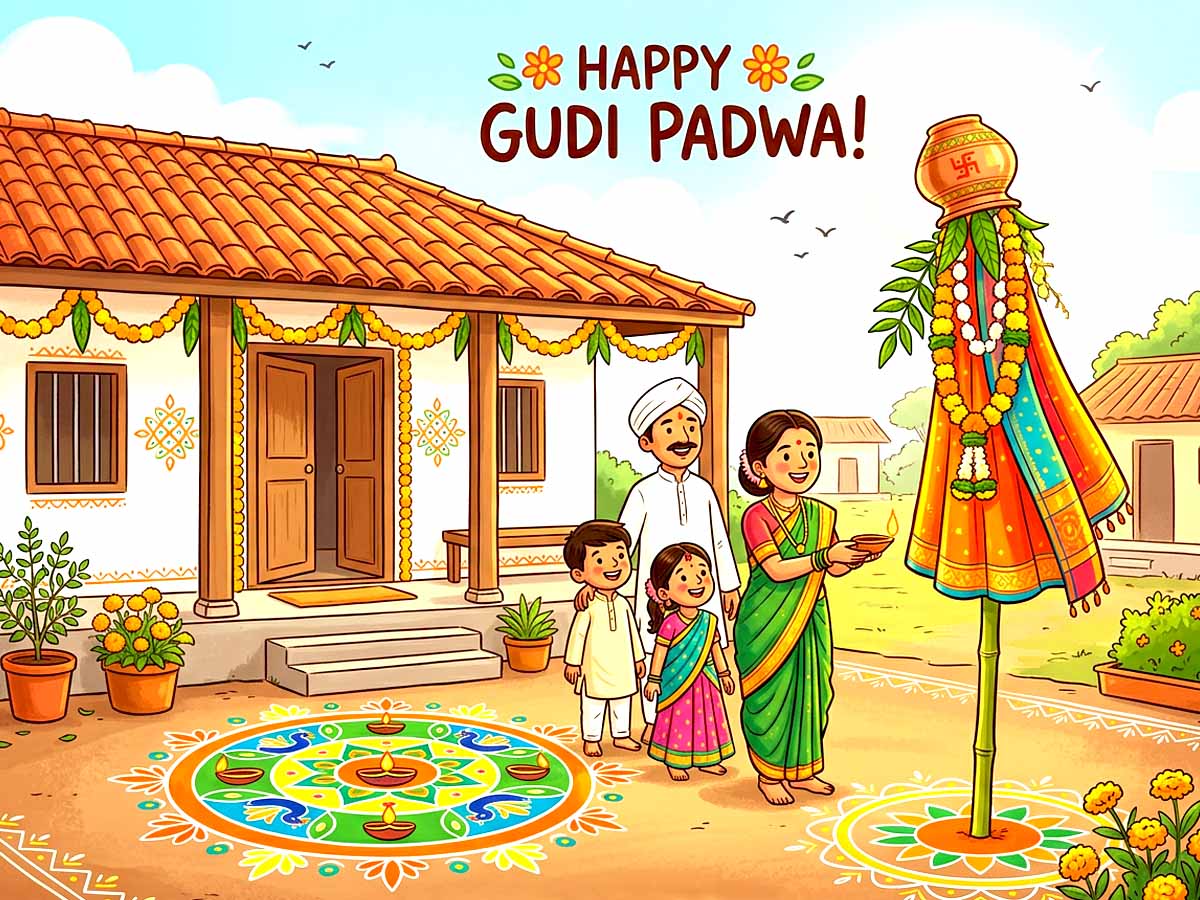
Children often participate in cultural activities during the festival by creating Gudi Padwa drawings or participating in school competitions. Common drawing themes include:
- a decorated Gudi outside the house
- women drawing rangoli
- families celebrating the festival together
These activities help younger generations learn about the cultural heritage and traditions of Maharashtra.
Hindu New Year Celebrations Across India
Gudi Padwa is the new year celebration in Maharashtra. The same day or around the same period marks the Hindu New Year in many other parts of India under different names.
Here are some of those festivals:
- Bihu – Assam
- Poila Boishakh – Bengal
- Vishu – Kerala
- Puthandu – Tamil Nadu
- Ugadi – Karnataka, Telangana and Andhra Pradesh
- Baisakhi – Punjab
- Cheti Chand – Sindhi community
- Navreh – Kashmiri Pandits
These festivals highlight the shared cultural heritage of the Indian subcontinent while reflecting regional traditions.
Gudi Padwa Images, Festival Photos and Greetings
Many people search online for Gudi Padwa images to share festive greetings with friends and family or to decorate social media posts during the Marathi New Year celebration.
Images of the festival beautifully capture the vibrant traditions associated with Gudi Padwa and reflect the rich cultural heritage of Maharashtra.
Popular Gudi Padwa festival images often include scenes such as:
- beautifully decorated Gudi images displayed outside homes
- colourful Gudi Padwa rangoli designs created at the entrance of houses
- people dressed in traditional Maharashtrian attire like nauvari sarees and pheta
- joyful family celebrations and temple visits during the festival
These images are widely shared as Gudi Padwa greetings, wallpapers, and festive posts, helping spread the spirit of the Marathi New Year across communities and social media platforms.
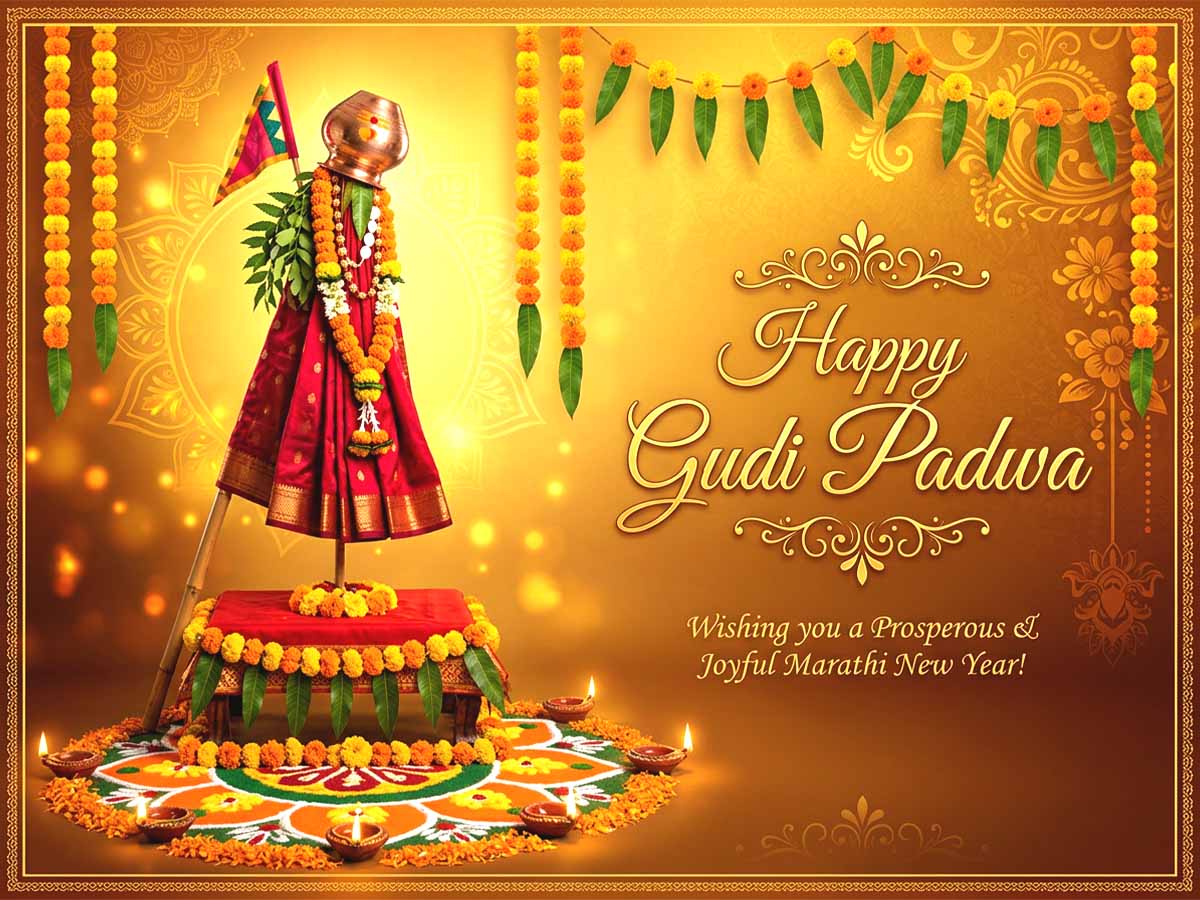
Happy Gudi Padwa Wishes
Here are some Happy Gudi Padwa wishes in English you can share with family and friends:
- Wishing you a joyful and prosperous Gudi Padwa filled with happiness and success.
- May this Marathi New Year bring new hopes, new dreams, and new opportunities into your life.
- Let the Gudi bring prosperity and positivity to your home. Happy Gudi Padwa!
- May the festival of Gudi Padwa fill your life with health, wealth, and happiness.
- Wishing you and your family a blessed and colourful Gudi Padwa.
We wish all our readers a Happy Gudi Padwa!
गुढी पाडवा शुभेच्छा (Gudi Padwa Wishes in Marathi)
गुढी पाडव्याच्या पवित्र सणाच्या निमित्ताने आपल्या मित्रपरिवार, नातेवाईक आणि प्रियजनांना शुभेच्छा देण्याची सुंदर परंपरा आहे.
नवीन वर्षाची सुरुवात आनंद, समृद्धी आणि सकारात्मकतेने व्हावी, अशी भावना व्यक्त करणाऱ्या काही सुंदर गुढी पाडवा शुभेच्छा मराठीत खाली दिल्या आहेत.
या शुभेच्छा तुम्ही सोशल मीडियावर किंवा संदेशाद्वारे सहज शेअर करू शकता.
- नवीन वर्षाची नवी पहाट,
नवीन स्वप्नांची नवी सुरुवात.
गुढी पाडव्याच्या हार्दिक शुभेच्छा!
- गुढी पाडव्याच्या मंगल दिनी
आपल्या जीवनात सुख, शांती आणि समृद्धी नांदो.
आपणास आणि आपल्या परिवारास हार्दिक शुभेच्छा.
- उभारलेली गुढी घेऊन येवो
यश, आनंद आणि समृद्धी.
आपल्याला गुढी पाडव्याच्या मनःपूर्वक शुभेच्छा!
- नवीन वर्ष नवी उमेद,
नवी आशा आणि नवी स्वप्ने घेऊन येवो.
गुढी पाडव्याच्या हार्दिक शुभेच्छा!
- सुखाचा गुढीपाडवा,
समृद्धीचे नवे वर्ष.
आपल्या आयुष्यात आनंदाची भरभराट होवो!
- प्रत्येक दिवस आनंदाचा जावो,
प्रत्येक क्षण यशाचा ठरो.
गुढी पाडव्याच्या हार्दिक शुभेच्छा!
- गुढी पाडव्याच्या या पवित्र दिवशी
तुमच्या आयुष्यात आनंद, आरोग्य आणि भरभराट नांदो.
हार्दिक शुभेच्छा!
- नवीन वर्षात तुमची सर्व स्वप्ने पूर्ण होवोत,
आणि जीवनात यशाची नवी उंची गाठता यावी.
गुढी पाडव्याच्या शुभेच्छा!
- गुढी पाडवा तुमच्या जीवनात
नवीन संधी, नवीन आनंद आणि नवी ऊर्जा घेऊन येवो.
आपणास हार्दिक शुभेच्छा!
- या गुढी पाडव्याच्या मंगल प्रसंगी
आपल्या जीवनात सुख, समाधान आणि समृद्धी नांदो.
आपल्याला आणि आपल्या कुटुंबाला मनःपूर्वक शुभेच्छा!
Gudi Padwa Frequently Asked Questions
What is Gudi Padwa?
Gudi Padwa is the traditional Marathi New Year festival celebrated on the first day of the Chaitra month in the Hindu calendar.
Why is Gudi Padwa celebrated?
The festival celebrates the beginning of the new year and symbolizes victory, prosperity, and renewal.
How is Gudi Padwa celebrated?
People decorate their homes, raise a Gudi outside their houses, prepare festive dishes, perform prayers, and exchange greetings.
What does the Gudi symbolize?
The Gudi represents victory, good fortune, and abundance.