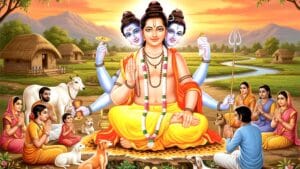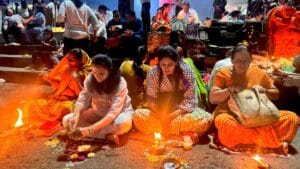

Margashirsha Month holds a special place in the hearts of devotees in Maharashtra. Beginning on 9 December 2026, this sacred lunar month – deeply praised in the Bhagavad Gita, where Shri Krishna himself says “māsānām mārgaśīrṣo’ham” (among months, I am Margashirsha) – is celebrated as a period of purity, gratitude, and spiritual upliftment.
Known for its Margashirsha Guruvars, Mahalakshmi Pooja, Krishna-bhakti, and observances connected with Datta Jayanti and Margashirsha Purnima, this month carries a strong cultural and devotional flavour across Maharashtra, especially in Nashik.

Margashirsha 2026: All Important Dates
- Month Begins: 9 December 2026
- Vivah Panchami: 13 December 2026
- Champa Shashti: 15 December 2026
- Mokshada Ekadashi & Gita Jayanti: 20 December 2026
- Datta Jayanti & Margashirsha Purnima: 23 December 2026
- Margashirsha Amavasya: 6 January 2027
- Month Ends: 7 January 2027
Margashirsha Guruvar Dates
- First Guruvar – 10 December 2026
- Second Guruvar – 17 December 2026
- Third Guruvar – 24 December 2026
- Fourth Guruvar – 31 December 2026
- Fifth Guruvar – 7 January 2027
Dates are as per Amanta Hindu Calendar followed in Maharashtra

The Meaning of Margashirsha – why this month is sacred
The name Margashirsha comes from the ancient Mrigashira Nakshatra, one of the key lunar constellations used in Vedic astronomy.
In early Hindu calendar systems, months were named after the nakshatra appearing at or near the full moon. Mrigashira – symbolised by a deer’s head – represents searching, curiosity, softness, and devotion.
This connection shows how advanced ancient Indian sciences were. Thousands of years ago, sages aligned agricultural cycles, religious rituals, and spiritual disciplines with precise astronomical observations.
The result is a calendar where natural cosmic rhythms guide human life, not the other way around.
Why Margashirsha is an auspicious month
In Maharashtra, Margashirsha is associated with:
- Goddess Mahalakshmi Pooja on every Guruvar (Thursday)
- Shri Krishna bhakti
- Auspicious Vrata and Daan traditions
- Preparation for Datta Jayanti
- Observances on Margashirsha Amavasya and Purnima
Culturally, people believe that this month brings peace in the home, prosperity in livelihood, and emotional well-being for families.
Margashirsha Guruvars: A Month of Mahalakshmi Devi’s Krupa
The highlight of Margashirsha Month in Maharashtra is undoubtedly the Margashirsha Guruvar Pooja and Vrat.
In most Maharashtrian households, women prepare their home temples with devotion – decorating the space with flowers, divas (small lamps), rangoli, and kalash.
This article is part of our Festivals series covering major festivals in Maharashtra.
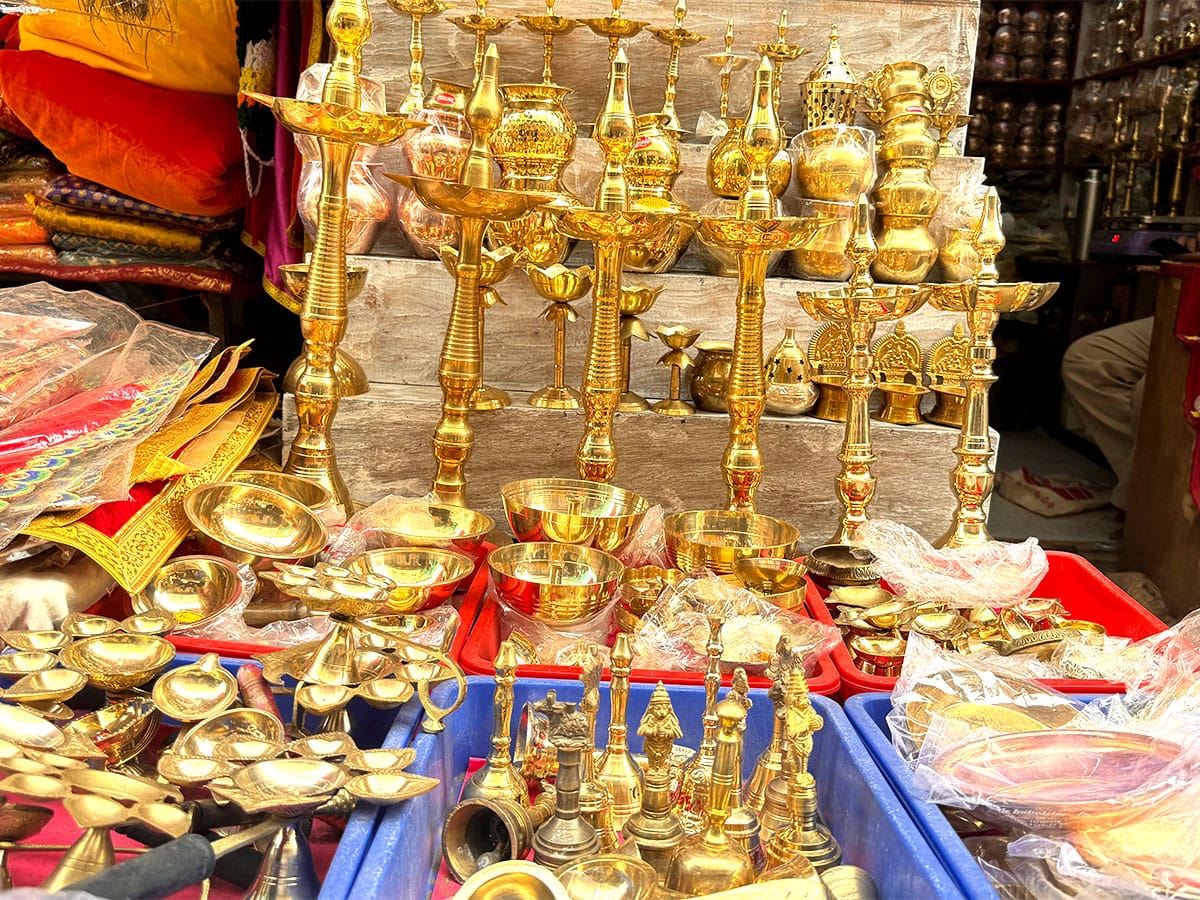
Margashirsha Guruvar Vrat Pooja Vidhi:
- Wake up early and take bath
- Clean the home and the pooja space
- Place the chaurang (low wooden table) and cover it with clean red cloth
- Set up Mata Mahalakshmi’s Ghat (Kalash) with Shri Phal (coconut) and Mata’s idol or Photo
- Offer turmeric, kumkum, akshata, flowers, and naivedya to Mahalakshmi
- Recite the Mahalakshmi Vrat Katha or Sri Sukta
- Light divas (deepas) for prosperity and incense sticks
- Pray for the well-being of the entire family
This tradition is so deeply rooted that in Nashik, Pune and rural Maharashtra, you’ll see women buying flowers, haldi-kumkum packets, and pooja items every Thursday morning. The whole month feels festive, gentle, and spiritually soothing.
On the final Margashirsha Guruvar (7 January 2027), also called Udyapan, women observe the custom of offering sweets, coconut, haldi-kumkum, and small gifts to other women – a gesture of sisterhood and goodwill that reflects the cultural soul of Maharashtra.
Margashirsha Guruvar Mahalakshmi Vrat Katha
The Sacred Ritual of Reading the Mahalakshmi Vrat Katha (महालक्ष्मी व्रत कथा)
In Maharashtra, reading the Shri Mahalakshmi Vrat Katha (also known as the Guruvarchi Kahani) is the spiritual core of the Margashirsha Guruvar fast. The ritual is primarily performed by women to invoke prosperity, peace, and humility into their households.
Preparation: In the afternoon or evening, after performing the Ghat Sthapana (setting up the sacred copper pot and coconut), women sit cross-legged on the floor facing the puja altar.
Community: Often, neighbouring women gather at one home to listen. If a woman is performing it alone, she reads it aloud so the divine vibrations echo through the house.
Presentation: The reader holds the sacred Vrat booklet, applies vermilion (kumkum) to it, and places a few grains of rice on the text as a mark of respect. A small lamp remains lit throughout the reading.
Katha Samapti: The reading always concludes with the saying, “Hea Guruvarchi Kahani, Safal Sampurna” (May this Thursday’s tale achieve its absolute completion), followed by the community singing the Mahalakshmi Aarti.
Mahalakshmi Katha of Queen Suratchandrika and her daughter Shyambala
The central narrative of the Margashirsha Mahalakshmi Vrat is derived from the Shri Mahalakshmi Mahatmya. It serves as a profound parable illustrating that devotion, purity of heart, and humility matter far more to Goddess Lakshmi than vast, arrogant displays of royal wealth.
The Arrogance of Rani Suratachandrika (राणी सुरतचंद्रिका)
In the prosperous kingdom of Saurashtra, there ruled a righteous king named Bhadrashrava and his proud queen, Suratachandrika. They had seven sons and a beautiful, gentle daughter named Princess Shyambala.
One day, Goddess Mahalakshmi decided to test the kingdom. She assumed the form of an old, frail, disguised woman and entered the palace gates. Seeing the old woman, Queen Suratachandrika grew intensely annoyed by her presence and scoffed at her, ordering the guards to drive the beggar away.
Hurt by the queen’s immense pride and lack of compassion, Goddess Lakshmi decided she would no longer reside in a palace filled with ego.
The humility of Princess Shyambala (राजकुमारी श्यामबाला)
As the old woman turned to leave the palace premises, the young Princess Shambala rushed out. Witnessing her mother’s harsh behaviour, Shyambala fell at the old woman’s feet, weeping and pleading for forgiveness on her mother’s behalf.
Moved by the princess’s profound purity and genuine kindness, Goddess Lakshmi revealed her true divine intent. She comforted Shyambala and carefully explained the rituals of the Margashirsha Mahalakshmi Vrat – instructing her on how fasting on the Thursdays of this holy month would grant everlasting peace and fortune. Shyambala listened intently, memorising every step of the fast.
Mata Mahalakshmi Leaves The Kingdom
Following the divine instructions, Princess Shyambala meticulously observed the fasts with absolute devotion. Soon after, she was married to Prince Maladhar of a neighbouring kingdom, where her presence brought staggering prosperity, joy, and abundance.
Meanwhile, back in Saurashtra, the divine grace left the arrogant queen. King Bhadrashrava lost his crown, his entire treasury vanished, and the kingdom fell to ruin. The royal couple was cast into severe poverty, struggling daily just to secure a single meal.
The Power of the Mahalakshmi Vrat
Hearing of her parents’ tragic misfortune, Princess Shyambala sent pots of gold to help them. However, due to the queen’s lingering bad karma, the gold miraculously turned to charcoal the moment the queen touched it. Realising that material wealth could not solve a spiritual curse, Shyambala invited her mother to stay with her.
During her visit, Shyambala gently demonstrated the futility of ego and taught her mother the exact Mahalakshmi Vrat rituals she had learned from the old woman. The broken queen realized her past mistakes and repented sincerely.
She returned to her ruined lands and began observing the Margashirsha Thursday fasts with a clean, humble heart. Pleased by her true transformation, Goddess Mahalakshmi forgave the queen, restored the king’s lost territory, and returned their wealth tenfold.
The tale serves as a perpetual reminder to Marathi households that Goddess Lakshmi resides only where there is humility, love, and respect for all living beings.

The Thread of Krishna-Bhakti Through Margashirsha
While Lakshmi-pooja is widespread, Margashirsha Month is equally beloved by devotees of Shri Krishna. The Gita Jayanti period falls within these weeks, and many people choose to:
- Read a chapter of the Bhagavad Gita daily
- Chant “Om Namo Bhagavate Vasudevaya”
- Visit Vitthal-Rukmini Mandirs
- Offer yellow flowers and tulsi leaves to Shri Krishna
In Krishna temples across Nashik – especially Tapovan, Panchavati, and College Road – devotees gather for bhajans and satsangs during this month.
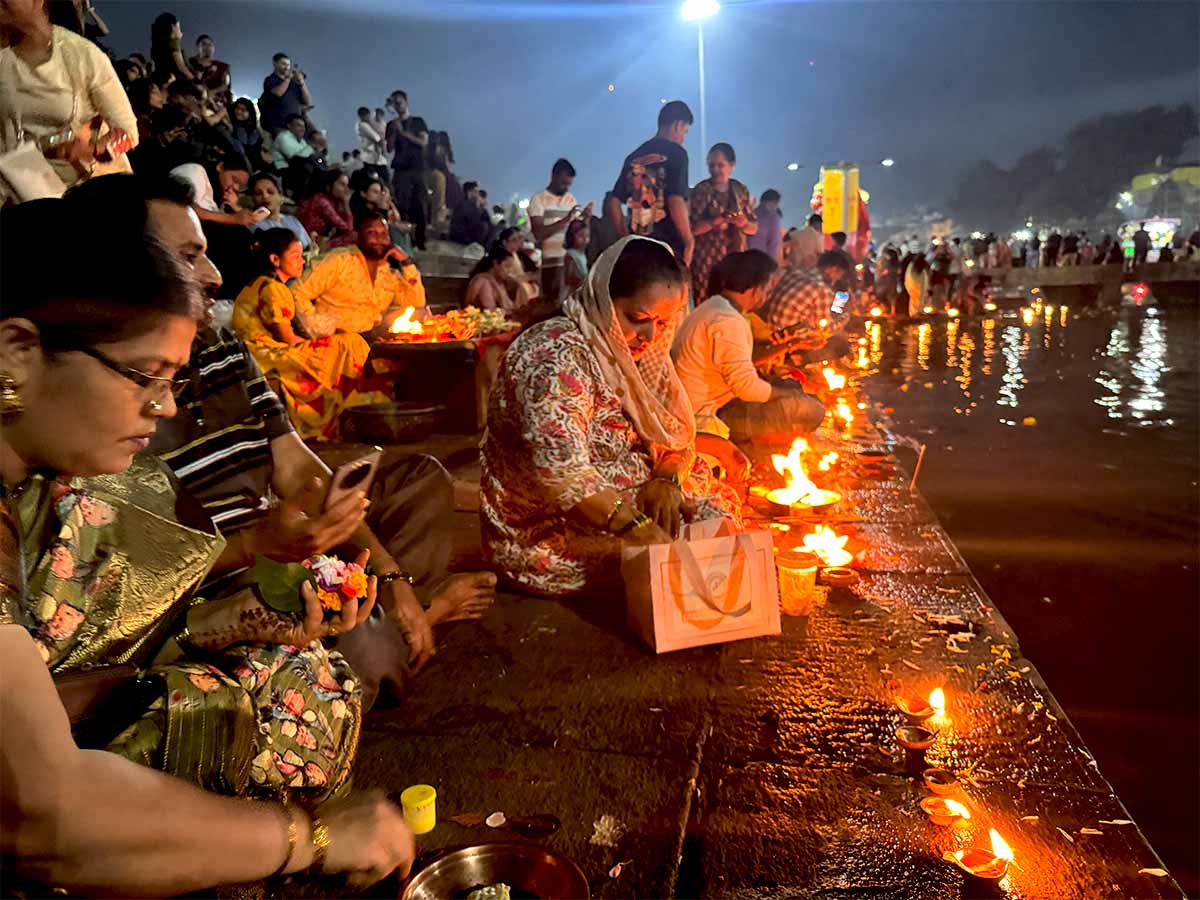
Datta Jayanti 2026 – A Major Festival in Margashirsha
Datta Jayanti, the birth anniversary of Bhagwan Dattatreya, falls this year on 23 December 2026, well within the Margashirsha period.
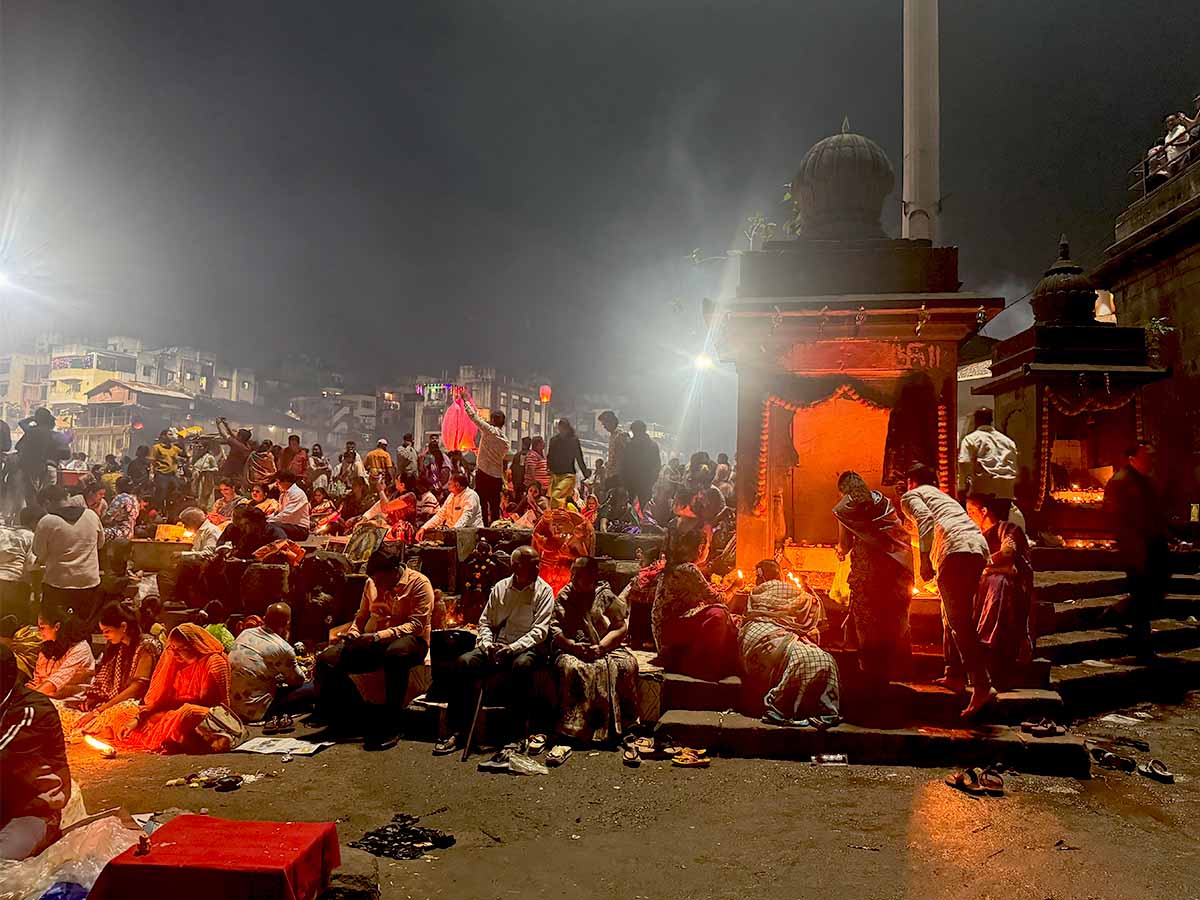
In Nashik, areas like Panchavati, Gangapur Road, Dattamandir Chowk, and Makhmalabad Road witness crowds of devotees performing:
- Datta pooja
- Gurucharitra parayan
- Bhajans and pradakshina
- Annadaan and seva
Because Margashirsha already has the flavor of Guru-bhakti through its Thursdays, Datta Jayanti adds a powerful devotional depth, especially for followers of the Nath Sampradaya and Datta Parampara.
Also read: Trimbakeshwar Shiva Temple – Jyotirlinga Mandir near Nashik
Margashirsha Purnima & Amavasya – Days of Purification
Two lunar days in this month hold special importance:
Margashirsha Purnima (23 December 2026)
A spiritually potent full moon associated with:
- Shri Satyanarayana pooja
- Completion of month-long vratas
- Observances connected with Dattatreya
- Temple visits in the evening
Many families choose to perform a Satyanarayana Katha on this day.
Margashirsha Amavasya (6 January 2027)
Considered ideal for:
- Pitru tarpan
- Charity (especially food or blankets)
- Visiting rivers and sacred waterbodies
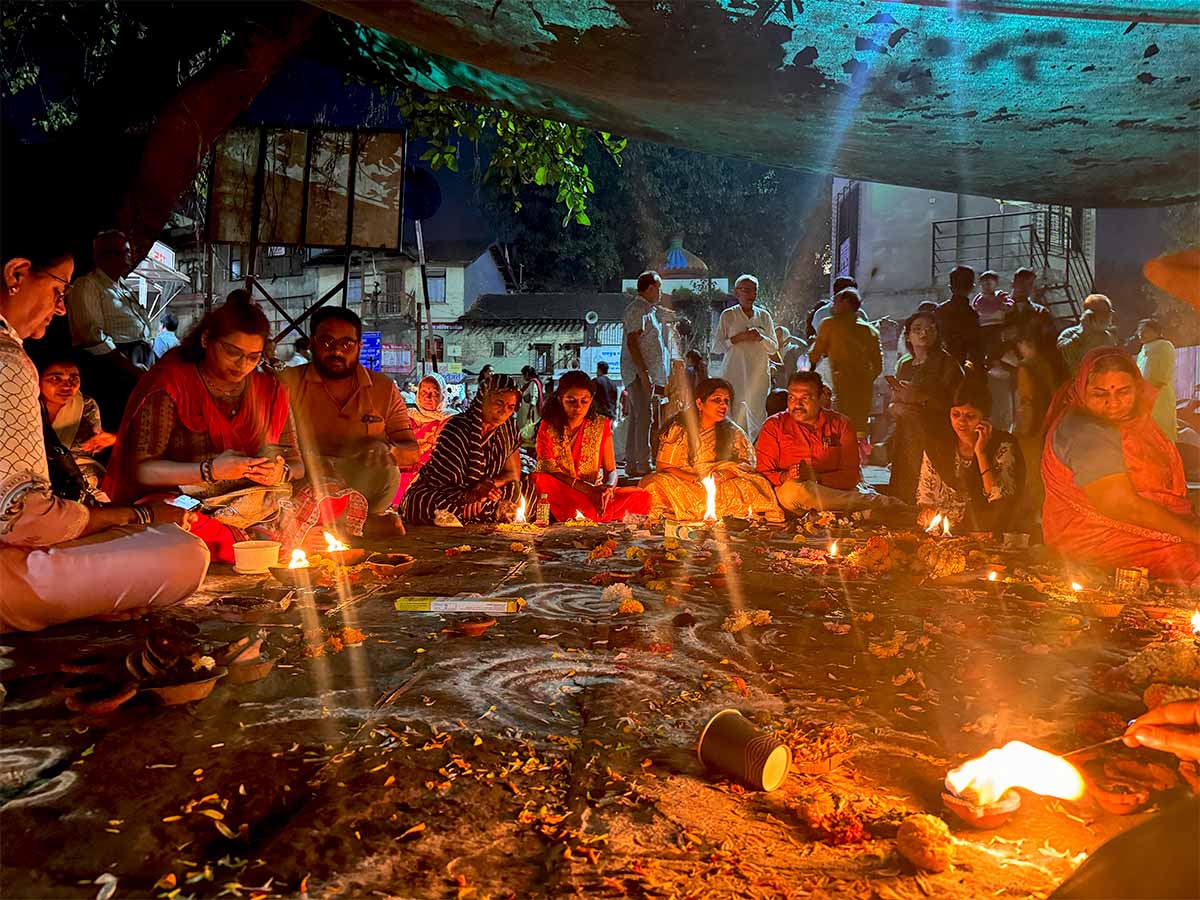
In Nashik, many people visit Ramkund on this morning to offer homage.
Margashirsha in the Cycle of Marathi Months
People often search for how Margashirsha sits among the other Marathi months. Here’s the cultural positioning:
- Kartik Month : Deepavali, Tulsi Vivah
- Margashirsha : Lakshmi Pooja, Krishna bhakti, Datta Jayanti
- Paush Month : Dakshinayan rituals, cold season
- Magh Month : Magh Snan, Vasant preparation
Among these, Margashirsha is considered one of the most prosperous and spiritually pure months, ideal for starting new ventures or cleansing the mind.
The Nashik Perspective – Devotion Rooted in Daily Life
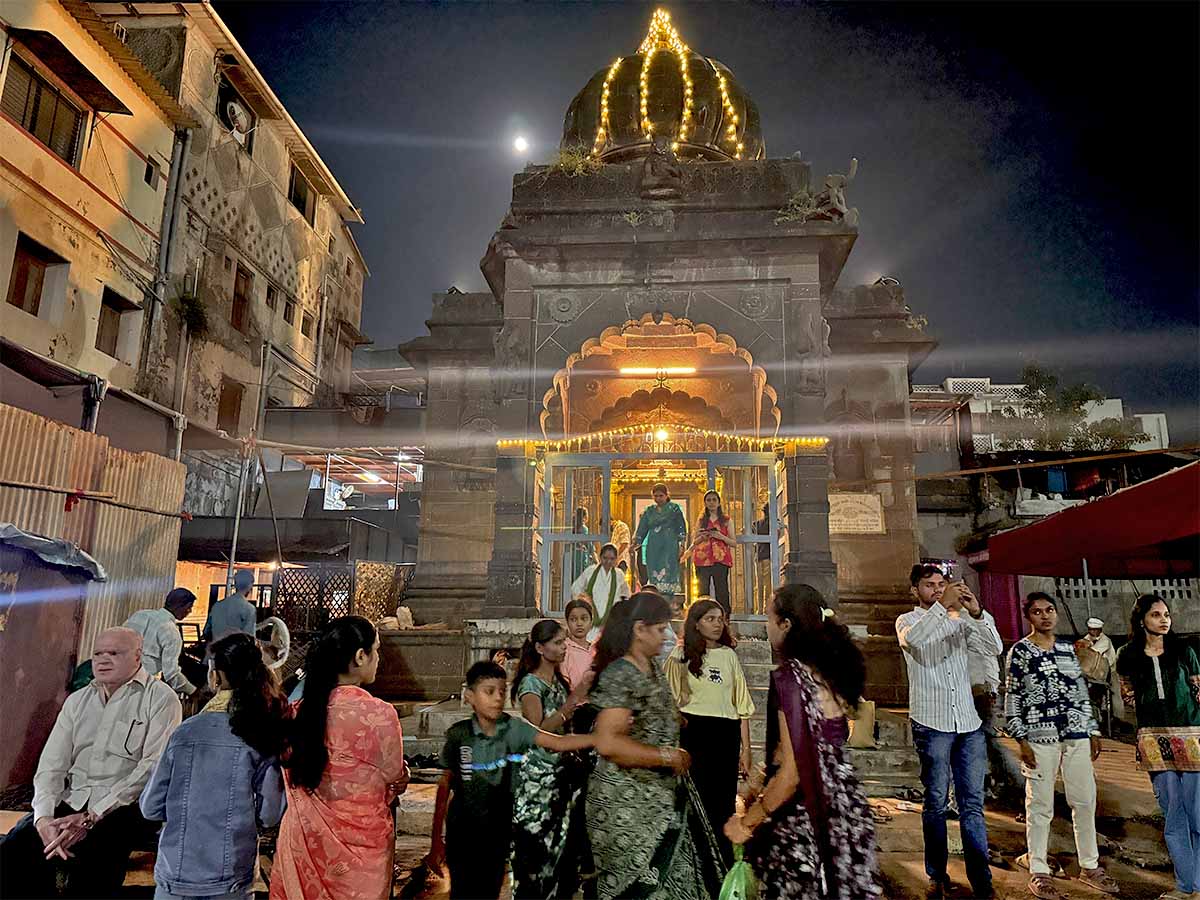
In Nashik, Margashirsha holds a special charm. Every Thursday, temples from Panchavati to Dwarka Circle overflow with devotees.
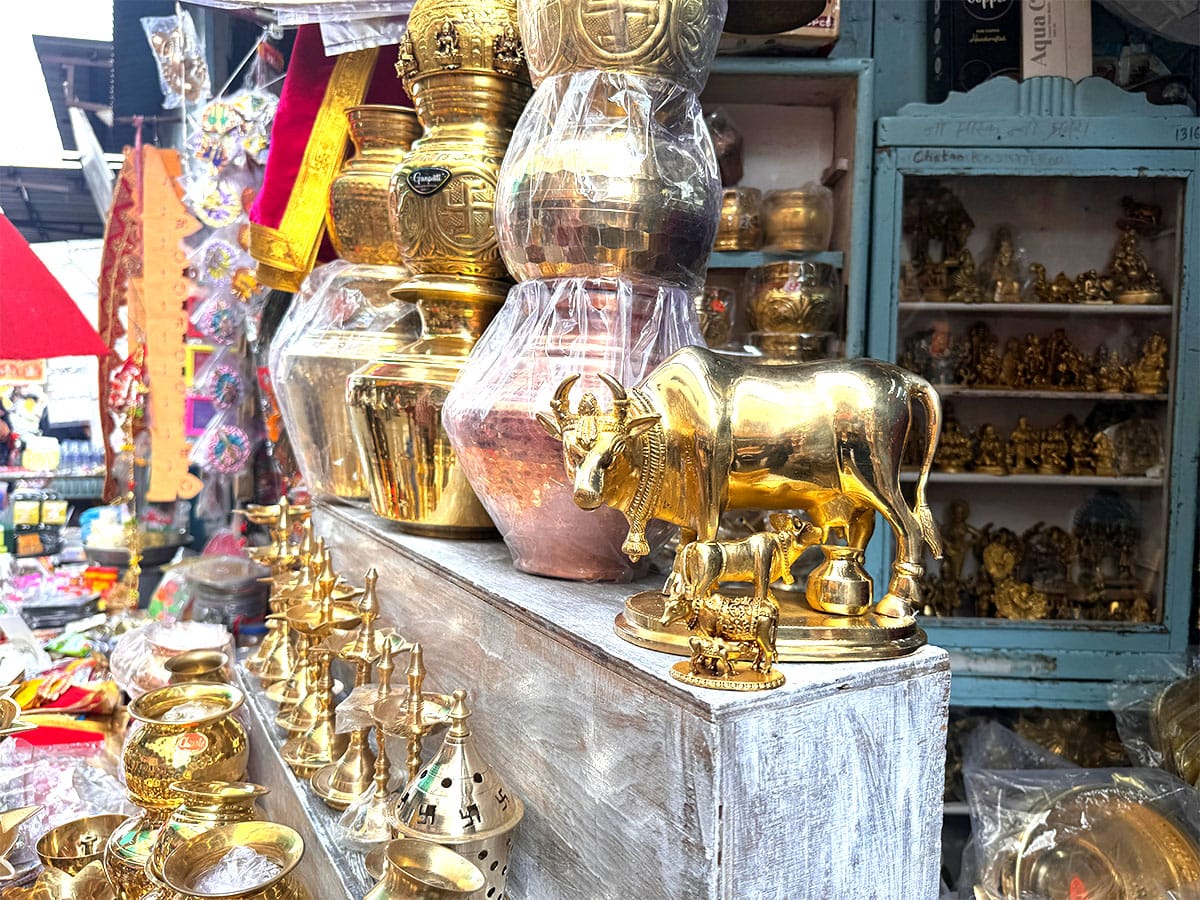
Stores selling pooja items open early. Women dress in traditional nauvari, paithani, or simple cotton saris for the early morning pooja.
The city’s atmosphere becomes one of soft devotion – deeply Maharashtrian, deeply cultural, and deeply feminine in its expression of grace and adherence to tradition.

May Mata Mahalakshmi shower her blessings on everyone
Margashirsha Month is not just a period on the Hindu calendar. It is a cultural rhythm – a time when homes are cleaner, hearts are calmer, temples are brighter, and families reconnect with devotion.
Through Mahalakshmi Pooja, Krishna-bhakti, Datta Jayanti, and simple daily rituals, this month teaches us the value of humility, gratitude, purity, and dharma.
In a world moving fast, Margashirsha offers a gentle pause – an opportunity to slow down and return to the divine essence of life.
Margashisha Month FAQ
When does Margashirsha month start in 2026?
In 2026, Margashirsha month begins on 9 December 2026 as per the Hindu lunar calendar followed in Maharashtra.
What is the significance of Margashirsha month?
Margashirsha, also called Mrigashira Maas, is considered one of the most auspicious months in the Hindu calendar. It is dedicated to Goddess Mahalakshmi and Shri Krishna and is known for prosperity, purity, and spiritual upliftment.
What are the Margashirsha Guruvar dates in 2026?
There are five Guruvars (Thursdays) in Margashirsha month in 2026:
10 December 2026 – First Guruvar
17 December 2026 – Second Guruvar
24 December 2026 – Third Guruvar
31 December 2026 – Fourth Guruvar
7 January 2027 – Fifth & Final Guruvar
These dates are important for Mahalakshmi vrat, special pujas, and oti bharne traditions.
Why are Margashirsha Guruvars so important?
In Maharashtra, the Thursdays (Guruvars) of this month are devoted to Mahalakshmi puja. Women set up a special pooja space, read the Mahalakshmi Vrat Katha, observe fasts, and pray for prosperity and well-being.
What rituals are performed during Margashirsha Guruvar puja?
Common rituals include decorating a chaurang, offering flowers, lighting a deepam, reading the vrat katha, offering naivedya (often kheer), and visiting other women on the final Thursday to exchange blessings (oti bharne).
When is Margashirsha Purnima in 2026?
Margashirsha Purnima (Full Moon) falls on 23 December 2026.
When is Margashirsha Amavasya in 2026?
Margashirsha Amavasya (New Moon) falls on 6 January 2027.
Is Datta Jayanti in the Margashirsha month?
Yes. Datta Jayanti – celebrating the birth of Lord Dattatreya falls on 23 December 2026 which is Margashirsha Purnima day.
Why is this month linked to Mrigashira Nakshatra?
The month derives its name from the Mrigashira constellation, which the Moon occupies during the full moon of this period. Ancient Indian astronomy used lunar constellations (nakshatras) to determine months and seasons.
Is Margashirsha related to Shri Krishna worship?
Yes. In the Bhagavad Gita, Lord Krishna declares, “Among months, I am Margashirsha.” Therefore, this month is especially sacred for Krishna devotees.
What foods are prepared during Margashirsha Guruvars?
Traditional offerings include kheer, puran poli, laddoos, fresh fruits, milk, and homemade snacks prepared without onion and garlic.
Are Margashirsha traditions the same across India?
While Maharashtra focuses on Mahalakshmi Guruvar puja, other regions may emphasize Krishna worship, Tulsi rituals, or Satyanarayan puja. The core essence of purity and devotion remains the same.