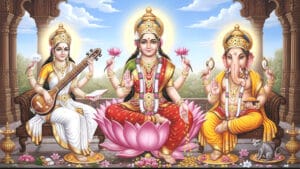

Navratri, the nine-night festival honouring the nine divine forms of Maa Durga (mother goddess), begins on 11 October 2026 and continues through Vijayadashami on 20 October 2026.
Also known as Shardiya Navratri, it is one of the most important Hindu festivals and is celebrated with immense devotion and enthusiasm across India. It symbolises the victory of good over evil and the power of Shakti (divine feminine energy).
The word Navratri literally means “nine nights” and each night signifies a different aspect of the Mother Goddess – from the gentle and nurturing Shailaputri to the fierce and protective Kalaratri.
Also read Diwali 2026: Dates, Muhurat, Rituals & Traditions in Maharashtra
Shardiya Navratri 2026 – Quick Facts
- Navratri Starts : Sunday, 11 October 2026
- Ghatasthapana Muhurat : 06:19 am – 10:12 am
- Abhijit Muhurat : 11:44 am – 12:31 pm
- Navratri Ends : Monday, 19 October 2026
- Vijayadashmi / Dassehra : 20 October 2026
Looking for the Spring Festival in Vasant Ritu (March-April) which ushers in the Hindu New Year? Check our Chaitra Navratri guide instead.

Navratri 2026: Daywise Details
- Day 1 : 11 Oct Shailaputri Orange
- Day 2 : 12 Oct Brahmacharini White
- Day 3 : 13 Oct Chandraghanta Red
- Day 4 : 14 Oct Kushmanda Royal Blue
- Day 5 : 15 Oct Skandamata Yellow
- Day 6 : 16 Oct Katyayani Green
- Day 7 : 17 Oct Kalaratri Grey
- Day 8 : 18 Oct Mahagauri Purple
- Day 9 : 19 Oct Siddhidatri Peacock Green
Dates are as per the traditional lunar Amanta calendar followed in Maharashtra.


Shardiya Navratri 2026
Sharadiya Navratri is one of the most important festivals celebrated throughout India. Devotees observe fasts, offer prayers, perform aarti, and participate in colourful festivities during this period. The festival represents the eternal victory of good over evil, purity over negativity, and devotion over worldly distractions.
It is also a time of vibrant cultural celebrations – from Garba and Dandiya dances in Gujarat to Durga Puja pandals in West Bengal. In Maharashtra, devotees throng local temples to seek blessings of Mataji and follow the traditional rituals with great enthusiasm.
Ghatasthapana (Kalash Sthapana) marks the beginning of the festival and this year it will be performed on Sunday, 11 October 2026. For nine consecutive days, devotees worship a unique form of the Goddess each day, offering specific flowers, colours, and bhog items that hold spiritual meaning.
The festival culminates on the tenth day, Vijayadashami, also known as Dashehra (this year – 20 October 2026), which celebrates the triumph of Goddess Durga over Mahishasura and Prabhu Shriram’s victory over Ravana. It is considered an auspicious day to begin new ventures, purchase valuables, or start educational pursuits.


Navratri 2026: Dates, Devi Names, and Colours
One of the most exciting aspects of Navratri is the tradition of wearing a different colour each day, dedicated to the roop or form of the Goddess being worshipped. Here is the day-wise list of the nine colours of Navratri 2026 along with the Goddess form for each day:
Day 1 : 11 October 2026 (Shailaputri) – Orange
The festival begins with the worship of Maa Shailaputri, the daughter of the mountains. Orange is worn on this day to symbolise energy, new beginnings, and spiritual awakening.
Day 2 : 12 October 2026 (Brahmacharini) – White
Devotees worship Maa Brahmacharini, the symbol of peace and devotion. The colour white represents purity, calmness, and a meditative spirit.
Day 3 : 13 October 2026 (Chandraghanta) – Red
Maa Chandraghanta is worshipped for courage and strength. Red symbolises passion, bravery, and vibrancy, making it a powerful choice for the third day.

Day 4 : 14 October 2026 (Kushmanda) – Royal Blue
The fourth day honours Maa Kushmanda, believed to have created the universe with her divine smile. Royal Blue represents happiness, optimism, and prosperity.
Day 5 : 15 October 2026 (Skandamata) – Yellow
Devotees worship Maa Skandamata, the mother of Lord Kartikeya. Yellow reflects growth, fertility, and new beginnings
Day 6 : 16 October 2026 (Katyayani) – Green
On this day, devotees pray to Maa Katyayani, the fierce form of Durga. Green stands for stability, strength, and depth.

Day 7 : 17 October 2026 (Kalaratri) – Grey
Maa Kalaratri, the fiercest form of the Goddess, is worshipped for protection from negativity and evil. Grey signifies balance, destruction of ignorance, and inner strength.
Day 8 : 18 October 2026 (Mahagauri) – Purple
Devotees honour Maa Mahagauri, who blesses with purity, wisdom, and tranquility. Purple reflects dignity, spiritual wealth, and devotion.
Day 9 : 19 October 2026 (Siddhidatri) – Peacock Green
The festival concludes with the worship of Maa Siddhidatri, the giver of supernatural powers and blessings. Peacock Green embodies compassion, kindness, and completeness.
The tradition of following the 9 colours of Navratri is loved by devotees across India. Many people also coordinate their outfits and decorations according to the colour of the day, making the festival vibrant and deeply devotional.

Navratri Rituals, Puja Practices & Symbolism
Navratri is a festival of colours, music, and devotional dance and also a deeply spiritual period of fasting and inner reflection.
Across India, devotees observe rituals that honour Goddess Durga in her nine forms, each representing a unique quality of strength and compassion.

Ghatasthapana – The Sacred Pot and Grains of Navratri
Navratri begins with Ghatasthapana, also known as Kalash Sthapana, an important ritual symbolising the invocation of Goddess Durga.
In 2026, Ghatasthapana will be done on 11 October 2026.
A Ghat (earthen pot) filled with holy water is placed at the center of the altar and decorated with mango leaves, a coconut, and red cloth.
Around and inside this pot, grains such as barley or wheat are sown in a shallow pan of soil. These grains sprout and grow over the nine days, representing fertility, prosperity, and the life-giving energy of nature.
The pot itself is regarded as the embodiment of the Goddess, while the sprouting grains signify abundance, growth, and the blessings of the divine mother for a prosperous future.
At the end of Navratri, these young plants are offered during the final rituals as a symbol of gratitude.
Daily Puja Rituals
- Each day begins with a Kalash Sthapana (Ghatasthapana), symbolising the presence of the Goddess in the home or temple.
- Devotees light a jyot (lamp) that burns for the entire nine days, signifying divine energy and purity.
- Offerings of flowers, fruits, sweets, and the day’s colour are made to the Goddess, accompanied by chanting of Durga Saptashati and Navratri aartis.
- Many households invite and worship young girls, known as Kanya Pujan, symbolising the living embodiment of the Goddess, especially on Ashtami or Navami.

Navratri Kanya Pujan & Homa Havan on Durga Ashtami
The eighth day of Navratri, also known as Ashtami, holds deep spiritual significance in the worship of Maa Durga.
On this day, devotees perform the sacred Kanya Pujan, where young girls, seen as embodiments of the nine forms of the Goddess, are worshipped with utmost love and respect.
The rituals include washing their feet, offering flowers, and serving them a festive meal of poori, chana, and halwa or sheera, along with fruits and sweets.
This tradition highlights the reverence for feminine energy and the belief that the mother goddess resides in every girl child.
Alongside this, many temples and households also conduct the Homa or Havan, a fire ritual dedicated to Maa Durga, seeking her blessings for prosperity, protection, and the destruction of negative forces.
Together, these sacred observances mark Ashtami (the eighth day of Navratri) as one of the most powerful days of Navratri celebrations.
Fasting and Devotion
Fasting during Navratri is a common practice. Some devotees follow a nirjala vrat (without water), while others opt for phalahar (fruit-based meals) or light sattvik food. This is believed to purify the body and mind, aligning one’s energy with the divine feminine.

Garba & Dandiya
In states like Gujarat and Maharashtra, evenings come alive with Garba and Dandiya Raas, traditional dance forms performed around a decorated earthen lamp or image of the Goddess. The rhythmic music and vibrant costumes reflect joy, devotion, and the collective spirit of celebration.
Navratri Dress – Traditional Gujarati Attire
Navratri in Gujarat and across India is time for colourful ethnic attire that adds vibrancy to the celebrations. Women usually wear Chaniya Choli – a three-piece outfit consisting of a flared, embroidered skirt (chaniya), a matching blouse (choli), and a dupatta or odhni.
These dresses are decorated with mirror work, beadwork, zari embroidery, and patchwork, creating a dazzling effect under the festive lights during Garba and Dandiya Raas nights.
Men typically wear the Kediyu, a short, flared kurta with intricate embroidery, paired with Chorno (a dhoti-style bottom). Bright colours like red, yellow, green, orange, and royal blue dominate the festive wardrobe, symbolising joy and energy.
The ethnic costumes not only uphold Gujarati tradition but also make Navratri evenings visually spectacular.

Symbolism of Navratri
The nine nights of Navratri symbolise the victory of good over evil. Each day represents an inner battle against negativity, ego, and fear, culminating in self-realisation and harmony.
On the tenth day, Vijayadashami (Dussehra), Maa Durga’s victory over Mahishasur and Prabhu Rama’s triumph over Ravana is celebrated, further reinforcing the theme of Dharma’s victory over Adharma.
Navratri Wishes – Sharing Joy and Devotion
Navratri is also a time for exchanging warm wishes with friends and family. People share greetings like “Happy Navratri”, “Ambe Mata ki Jai”, or “Jai Mata Di” along with personalised messages that invoke blessings of Goddess Durga for health, happiness, and prosperity.
In today’s digital era, Navratri wishes, WhatsApp messages, and social media greetings with vibrant images of the goddess and the day’s colour theme have become very popular.
Many devotees also send shlokas and traditional chants as wishes, spreading positivity and devotion. Whether in person or online, these heartfelt messages strengthen bonds and reflect the spirit of togetherness during the nine days of celebration.

Navratri in Nashik: Temples, Bhakti & Festive Vibes!
During Navratri, Nashik experiences a devotional glow – temples overflow with devotees, streets hum with Aartis, and the air smells of incense, flowers, and culture. Here’s a glimpse into some of the memorable celebrations I witnessed:

Sandvyavarchi Devi (Godavari Ghat Panchavati)
Nestled on the banks of the Godavari in Panchavati, the Sandvyavarchi Devi temple is held in deep reverence by locals and often linked in likeness to Saptashrungi Mata.
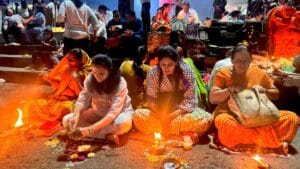
The temple is surrounded by flower, prasad and garland vendors. Devotees – mostly women – offer blooms, coconuts, and garlands in a ritual called Oti Bharne (offering to the goddess). The river reflections, gentle chants, and flickering diyas (oil lamps) lend a timeless, serene ambiance to the place.


Bhadrakali Devi (Tiwandha Chowk)
In old Nashik, the Bhadrakali Devi temple at Tiwandha Chowk draws crowds who seek blessings from the mother goddess.
Clusters of devotees, and notably groups of senior women leading soulful Aartis is a prominent feature here. The calm courtyard echoed with bhajans and prayers, as men, women, and children stand in earnest worship.

Saptashrungi Temple (in Panchavati near Sita Gufa)
Though not the hill-top Saptashrungi in Vani, Nashik’s Panchavati (Sita Gufa lane) hosts a smaller temple named in her honor. On Ashtami, a homa-havan ritual was conducted at the temple.
Devotees offered coconuts into the havan kund, prayed to the goddess, and received prasad. The setting was peaceful and full of devotion – underlining the spirit of the larger festival.

Kalika Mata Mandir (Mumbai Naka area)
Kalika Mata is among the most visited goddess shrines in Nashik City during Navratri.The temple, dating from Maratha times and renovated by Ahilyabai Holkar, usually hosts tens of thousands of devotees.
Around it, a huge fair comes alive in the Mumbai Naka area: queues of worshippers, colorful rides, food stalls, prasad counters, children’s toys, and marketplace vibrancy. The energy is festive, devotional, and joyful – people from all walks line up to get darshan.

Saptashrungi Mata (Vani)
Finally, the actual Saptashrungi Temple in Vani – about 60 km from Nashik – is a deeply revered temple dedicated to Maa Durga. It is considered one half of Maharashtra’s “three and a half Shaktipeeths”, where tradition says part of the goddess Sati fell – a status confirmed by All India Radio’s coverage of Maharashtra’s Navratri shrines, alongside Tuljapur, Kolhapur, and Mahur.
The temple sits at roughly 4,659 ft altitude, surrounded by seven peaks. The idol carved from rock has 18 arms, wielding multiple weapons. During Navratri, large fairs take place, and devotees from far and wide undertake the climb to offer respect and prayers.
Navratri 2026 FAQs
When is Navratri 2026?
Navratri 2026 will begin on 11 October 2026 and end on 19 October 2026 followed by Vijayadashmi or Dassehra the next day on 20 October 2026. These nine days are dedicated to the worship of Goddess Durga in her nine different forms. Many devotees also fast during this period while observing daily pujas and rituals.
What is the Ghatasthapana muhurat for Navratri 2026?
The most auspicious time for Ghatasthapana on 11 October 2026 is between 6:19 am and 10:12 am, with an alternate Abhijit Muhurat from 11:44 am to 12:31 pm.
What is the significance of the 9 colours of Navratri?
Each of the 9 colours of Navratri represents a unique form of the Goddess and has its own symbolic meaning. For example, White represents purity and peace, Red symbolises strength, while Green stands for growth and prosperity. Wearing the Navratri colours according to each day is considered auspicious and spiritually uplifting.
What are the daywise Navratri colours?
Devotees often search for “today Navratri colour” to know the dress code for the day. In 2026, Day 1 begins with Orange, followed by White, Red, Royal Blue, Yellow, Green, Grey, Purple, and Peacock Green, for the subsequent days respectively.
What are traditional Navratri dresses?
The most popular Navratri dress for women is the Chaniya Choli, decorated with embroidery, mirror work, and vibrant colours. Men usually wear the Kediyu with dhoti-style bottoms called Chorno. These ethnic outfits are perfect for Garba and Dandiya nights and reflect the cultural vibrancy of Gujarat.
What kind of Navratri wishes can I share?
People exchange Navratri wishes such as “Happy Navratri 2026” or “Jai Mata Di” to greet friends and family. You can also share devotional messages, shlokas, or vibrant Happy Navratri images and greetings on WhatsApp and social media. Many prefer sending Happy Navratri wishes daily, along with the day’s colour theme.
What is the difference between Chaitra Navratri and Shardiya Navratri?
Chaitra Navratri falls in spring (March-April) and marks the Hindu New Year, ending in Ram Navami. Shardiya Navratri falls in autumn (September-October) and is the larger, more widely celebrated of the two, ending in Vijayadashami (Dussehra).