Bail Pola, also known as Pola, is a traditional festival of Maharashtra, Madhya Pradesh, Chhattisgarh, and parts of South India where farmers express gratitude to their bullocks and livestock.
These animals are considered the backbone of agriculture and rural life, and on this day they are honoured with love, care, and devotion.
Pola 2026 Date: 11 September 2026
This year, Bail Pola would be observed on 11 September 2026 depending on local tradition and Panchang reference.
Also read Gauri Ganpati 2026: Dates, Rituals and Traditions
Pola Festival Rituals and Celebrations
On Bail Pola, rural villages across Maharashtra come alive with colourful processions and festivities.
Bathing and decorating bullocks: Farmers take their bullocks to the river or pond, give them a bath, and apply oil to their bodies. Their horns are painted with bright colours and adorned with ornaments.
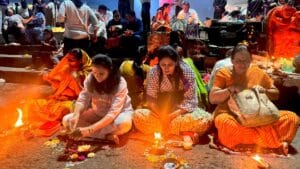
Puja and Aarti: Women of the household perform aarti and apply tilak to the bullocks. A special naivedya (festive meal) is prepared, including grains, jaggery, and sweets, which is lovingly offered to the animals.
Temple visit: Families take their livestock to the village temple, seeking blessings of Lord Mahadev or local deities before the procession begins.
Village procession: Decorated bullocks are paraded through the village streets. Drums, folk music, and dance add to the festive spirit, while villagers gather in large numbers to cheer and participate.
Tanha Pola
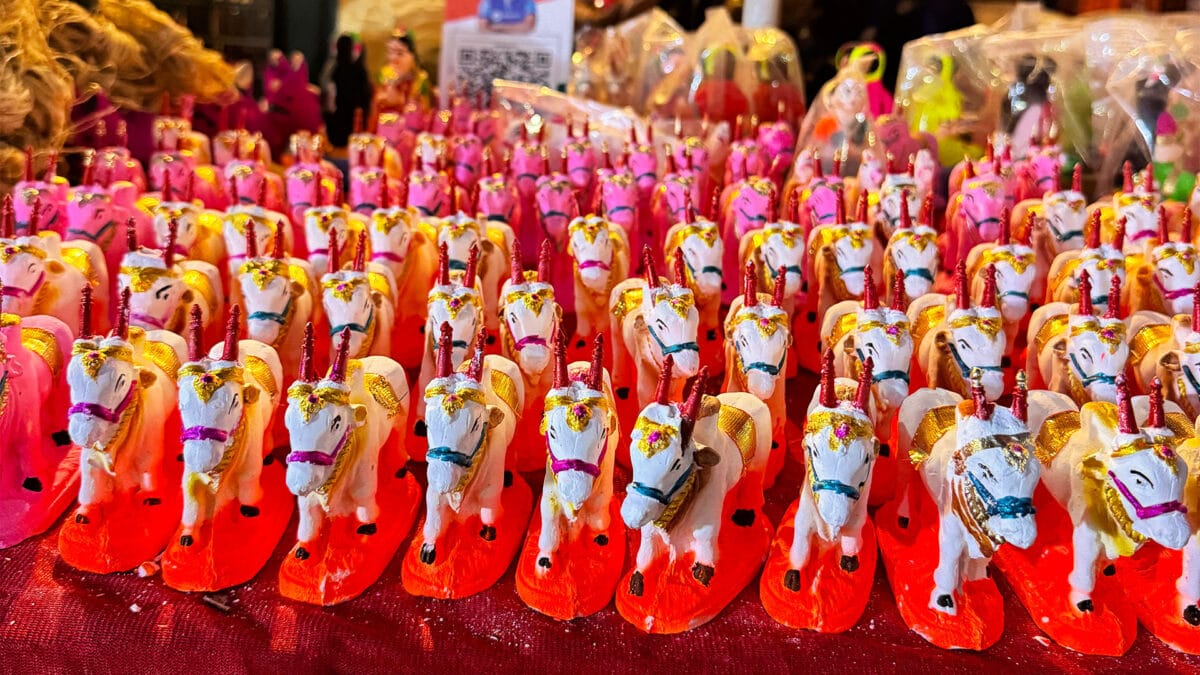
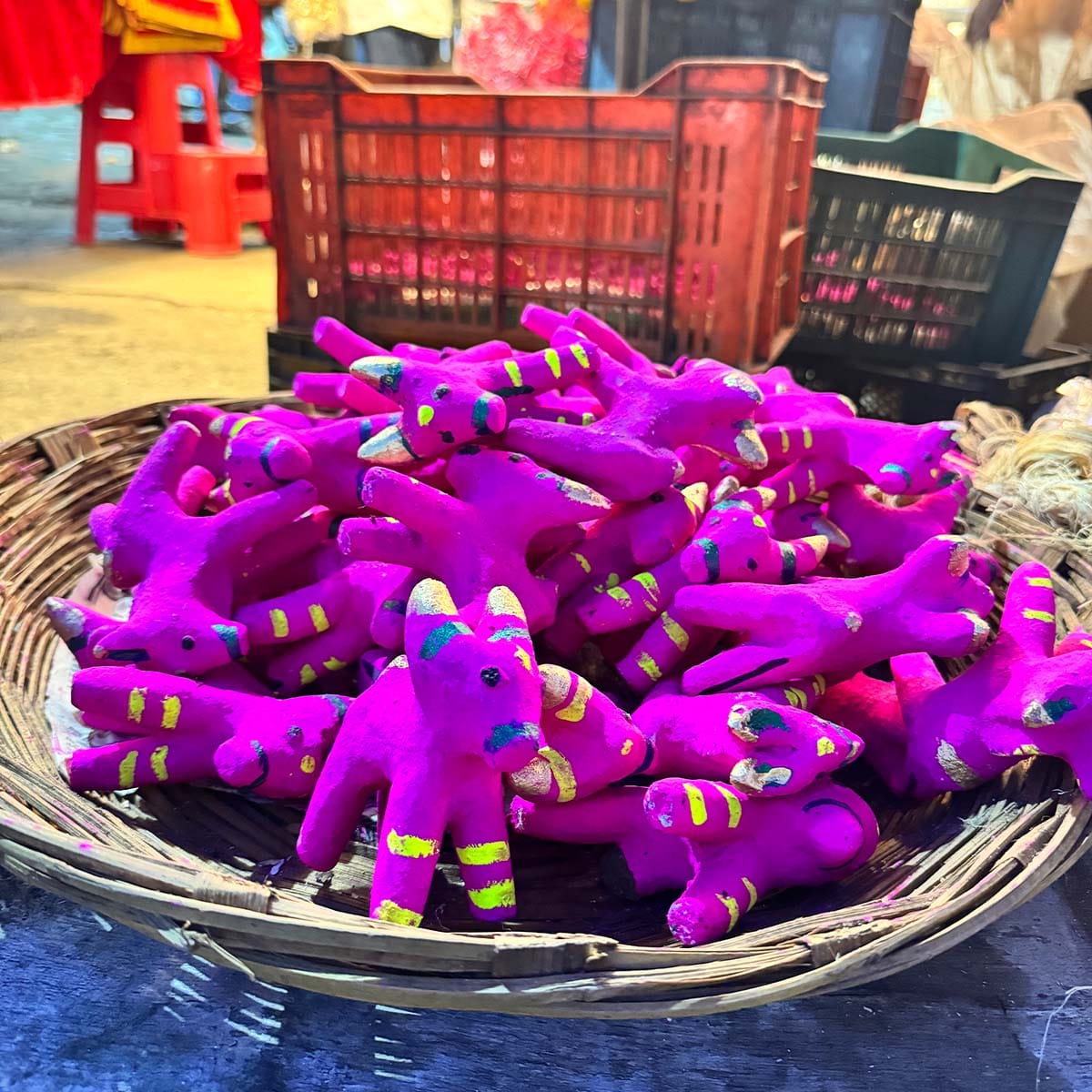
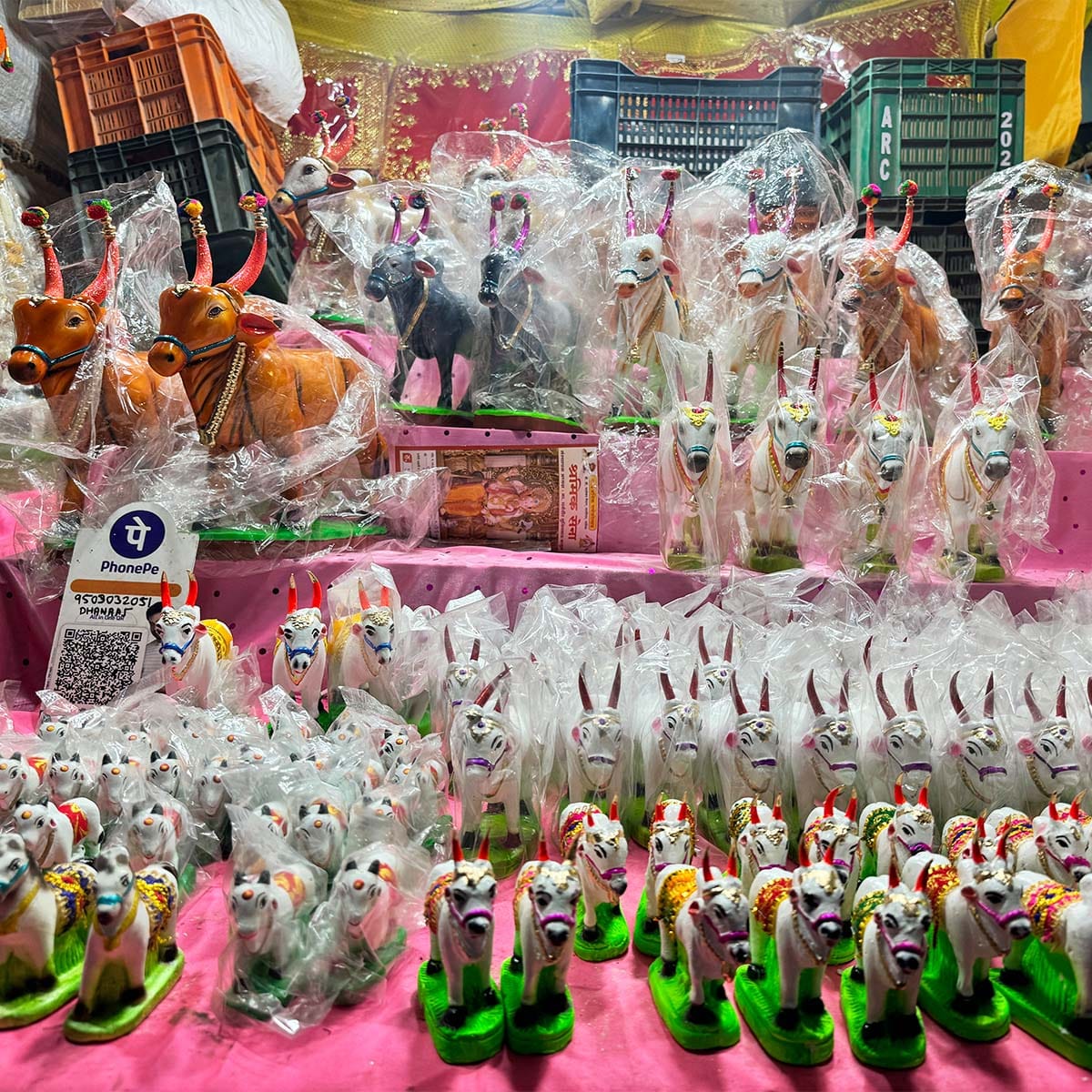
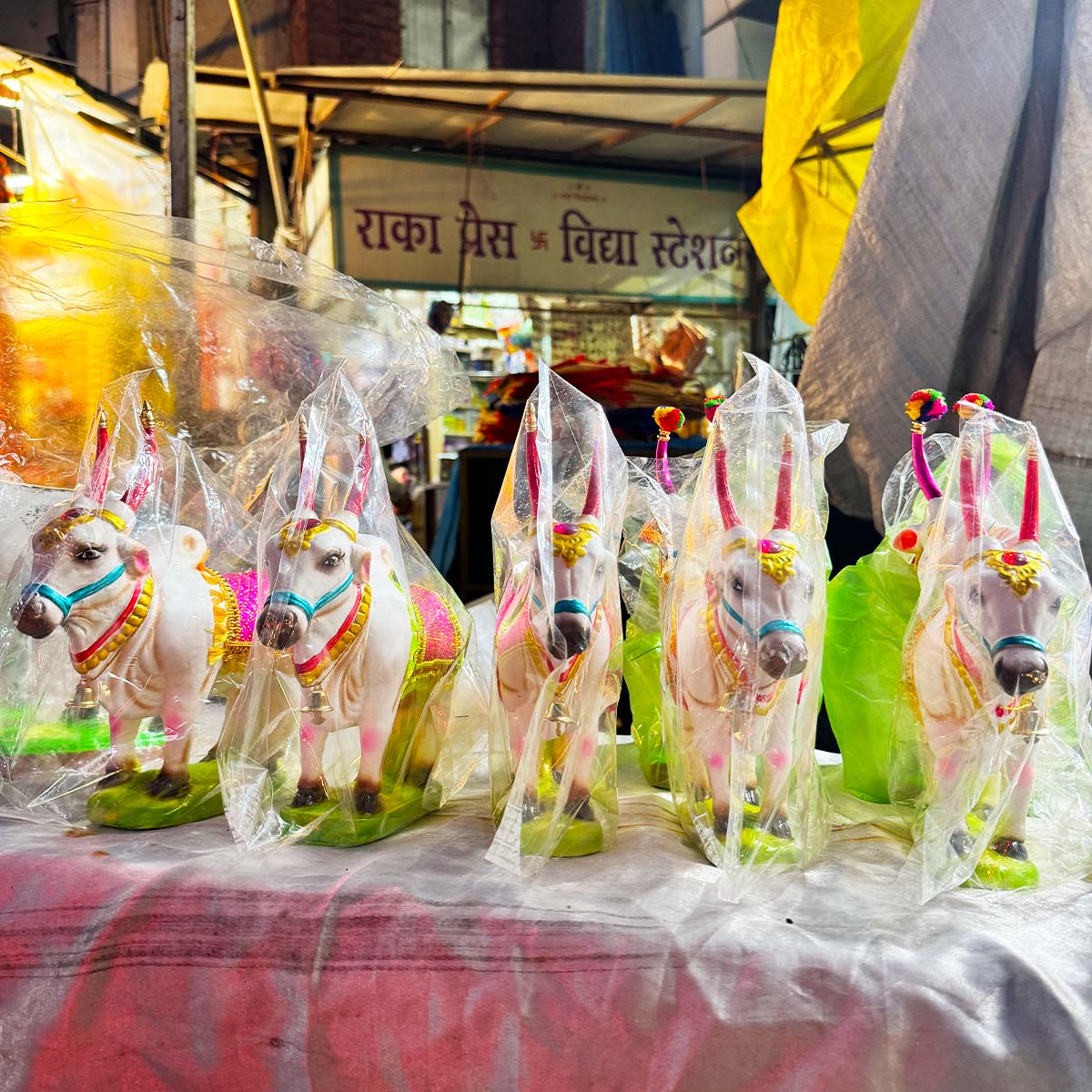
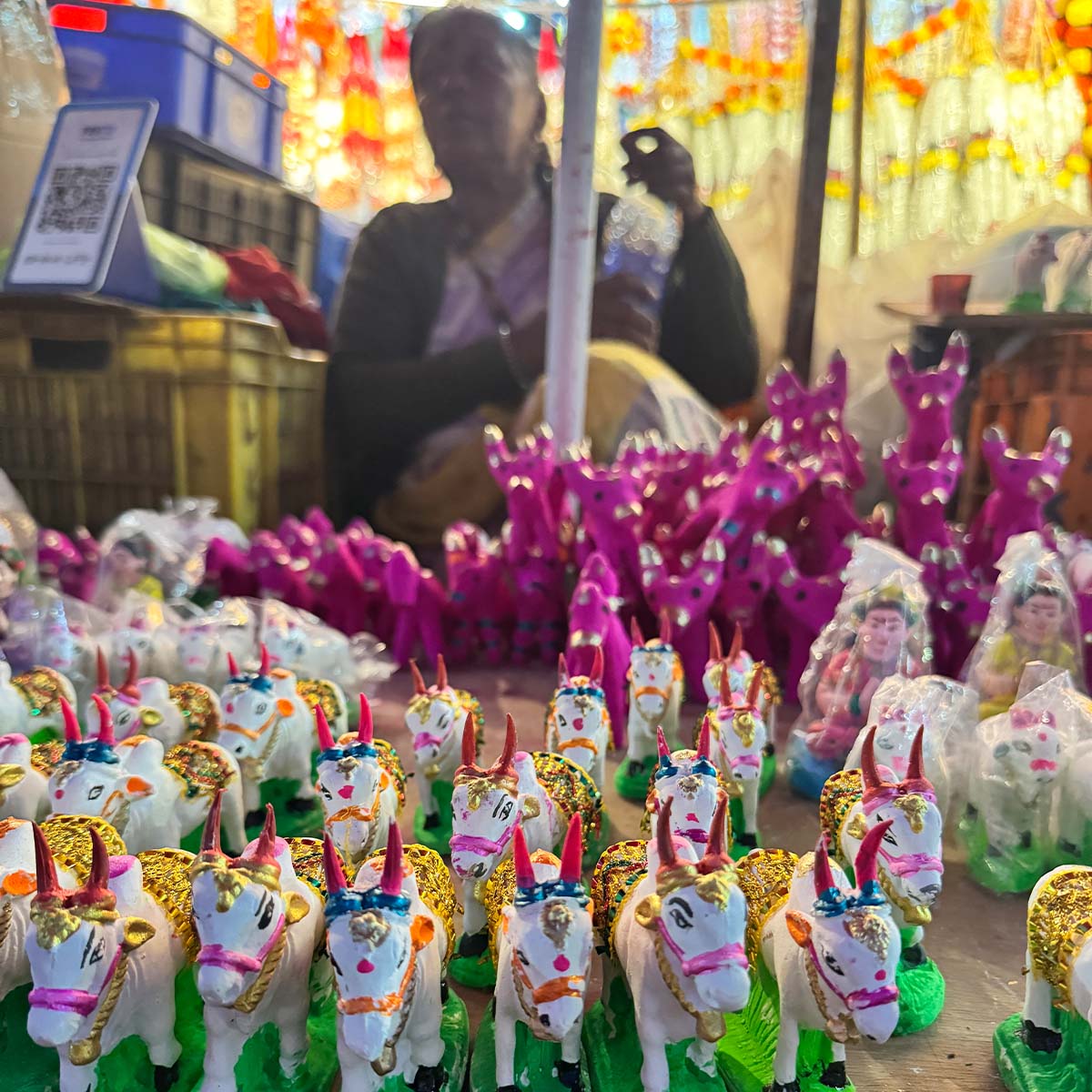
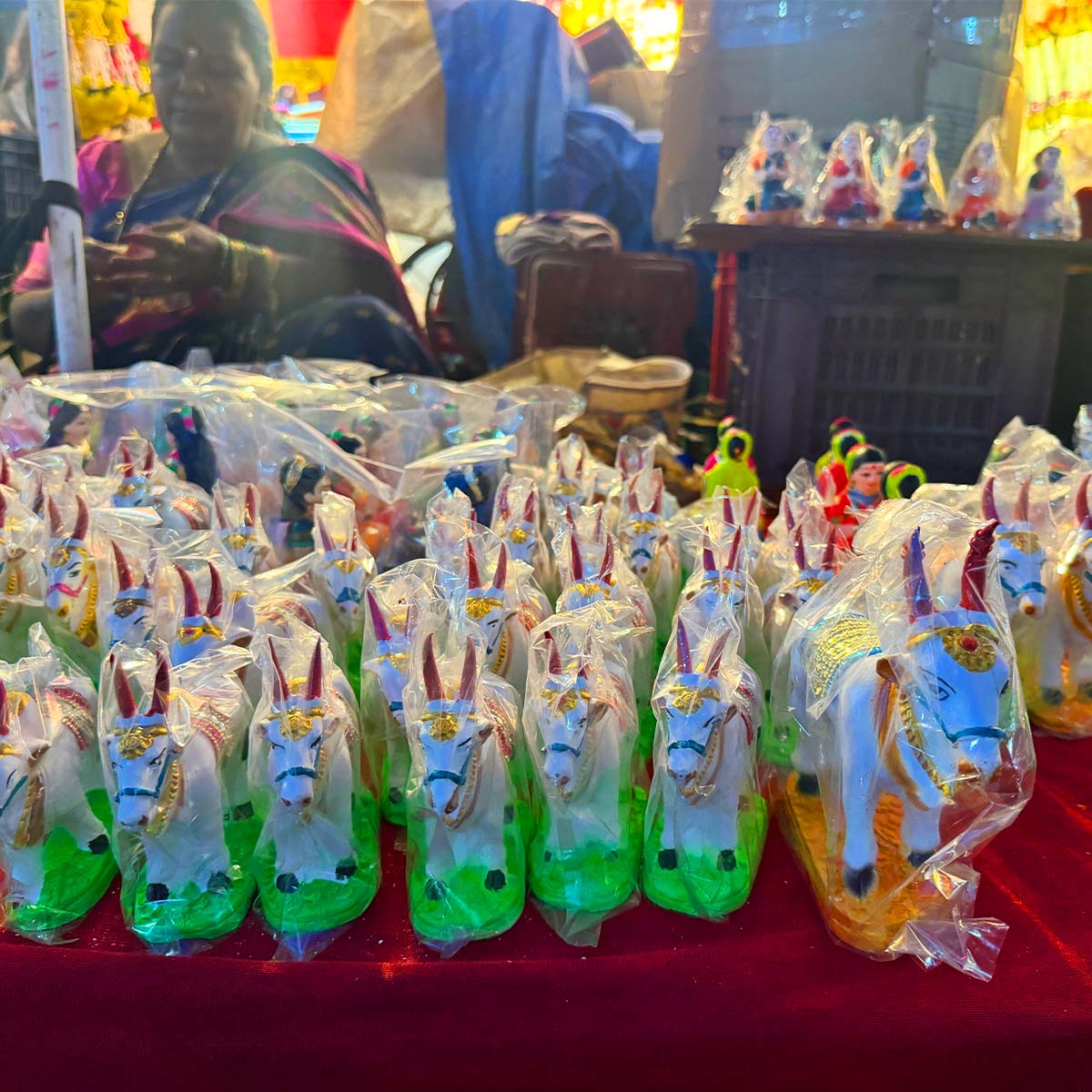
In rural Maharashtra, children also celebrate a smaller version called Tanha Pola, where they decorate wooden or clay bullock toys and carry them in a fun procession.
The event is a festival celebrated by farmers to honour their bulls and livestock as explained in this Wikipedia article.
Significance of Bail Pola
Bail Pola is more than a festival – it is a celebration of the farmer’s bond with nature and animals. Bullocks, traditionally used for ploughing fields, drawing carts, and other farm activities, are honoured for their hard work and support in sustaining rural livelihoods.
In a time when machines dominate farming, Pola is a reminder of how deeply Indian culture values animals, nature, and sustainable living.
It reflects an ancient wisdom: that humans must not exploit nature, but live in harmony with it.
This spirit of gratitude connects today’s farmers with the traditions of their ancestors and keeps alive the respect for all living beings.
Pola Festival in Indian Culture
Indian festivals have always celebrated the interdependence between humans, animals, and nature. Just like Govatsa Dwadashi in other regions, Pola in Maharashtra highlights sustainability and gratitude.
These age-old practices show how India, despite rapid modernisation, still holds on to nature-loving traditions passed down from the earliest human civilisations.
This wisdom – of honouring the land, the animals, and the forces of nature – continues to guide rural life in India even today, making festivals like Pola deeply relevant in the modern world.
This article is part of our series about the Festivals in Maharashtra.
My Visit to Raviwar Karanja Market in Nashik
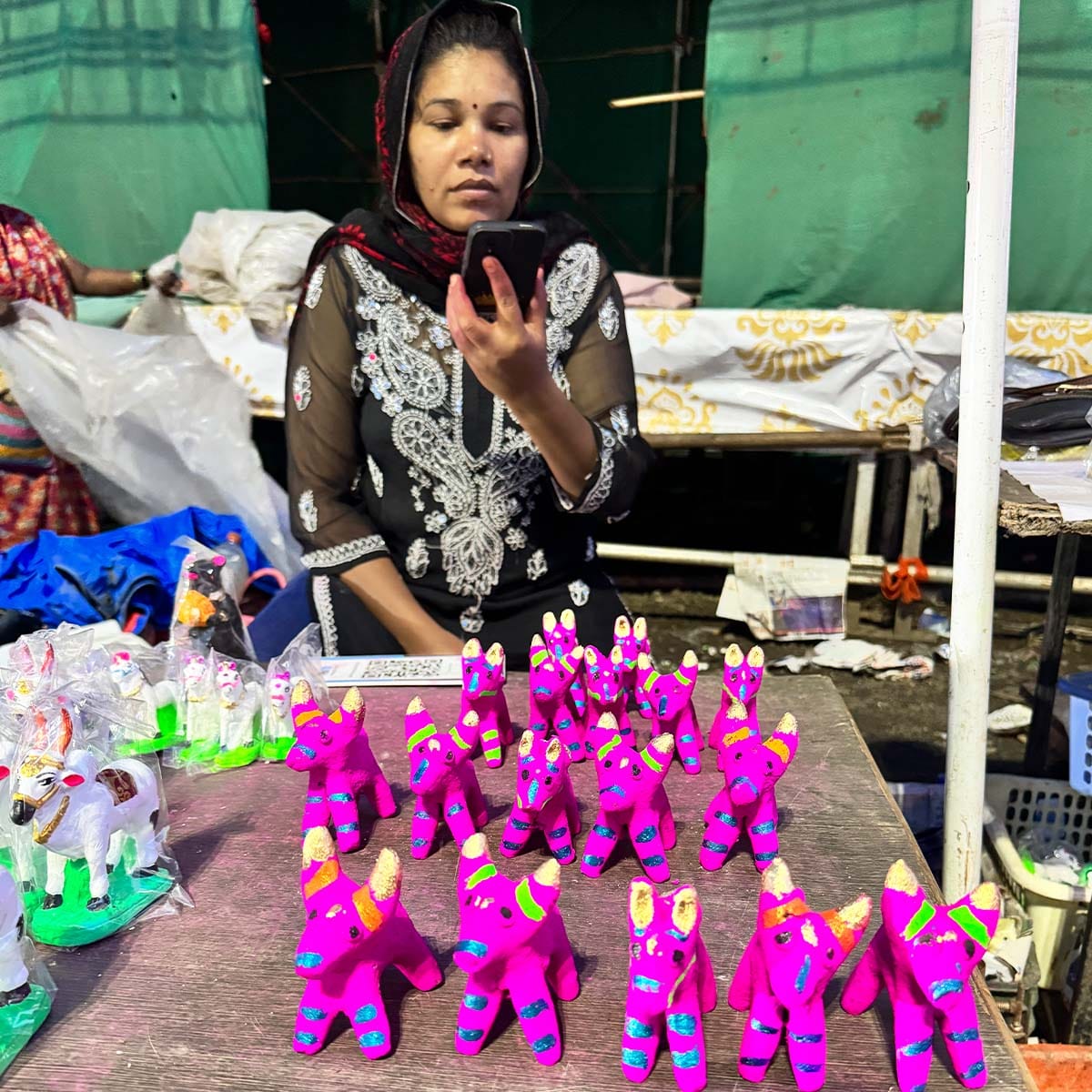
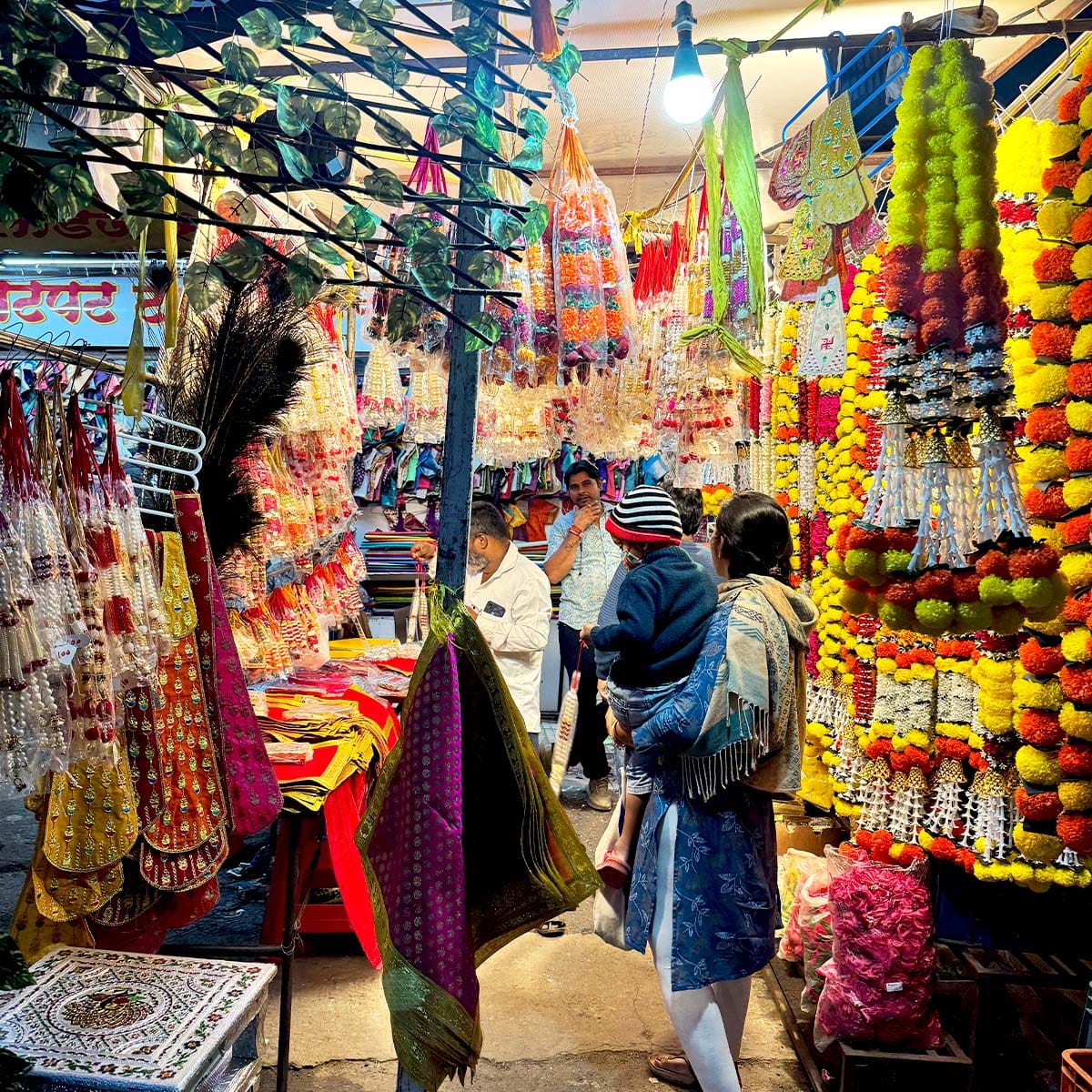
On 22 August 2026, I visited the Raviwar Karanja market in Nashik which is a bustling traditional marketplace that comes alive during every festive season.
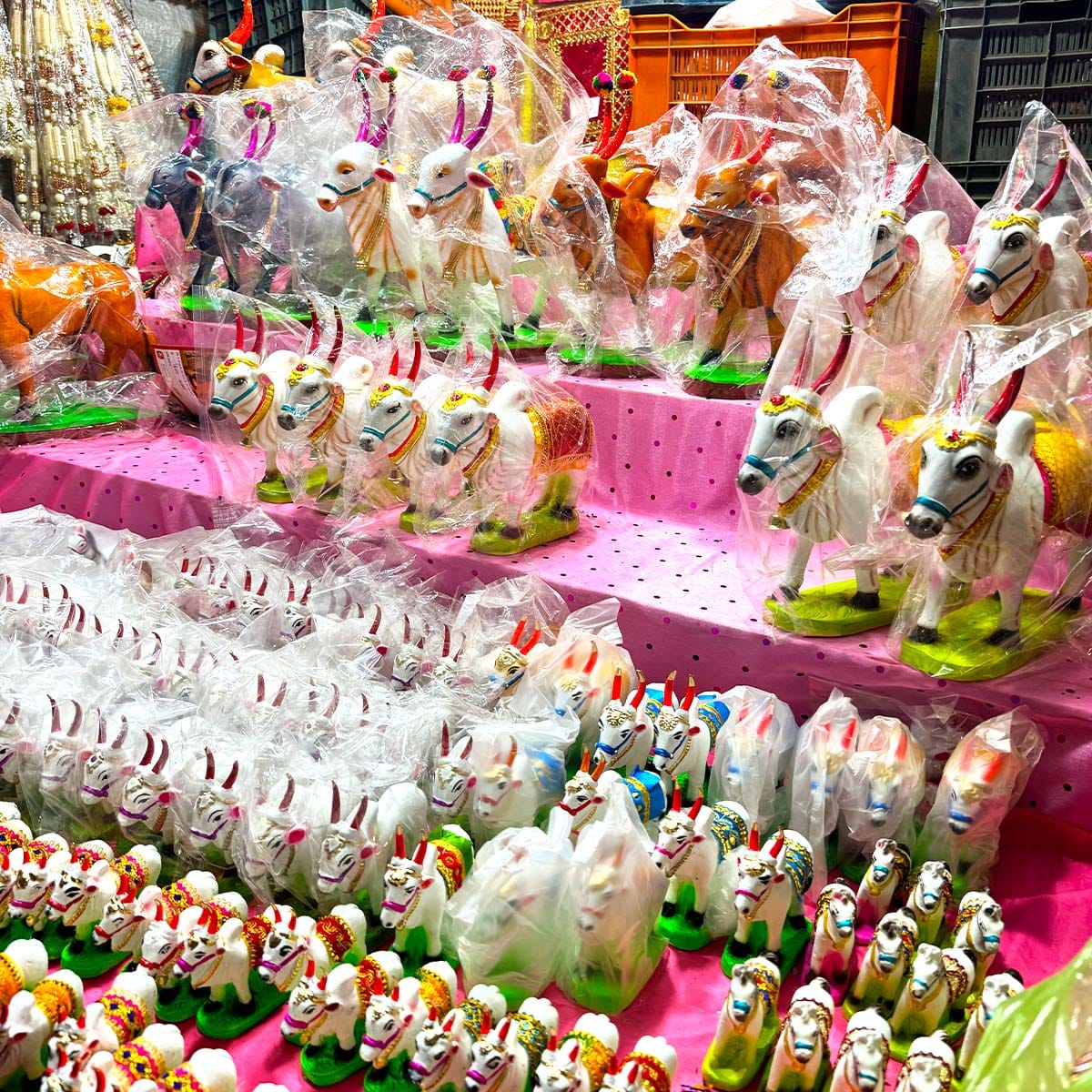
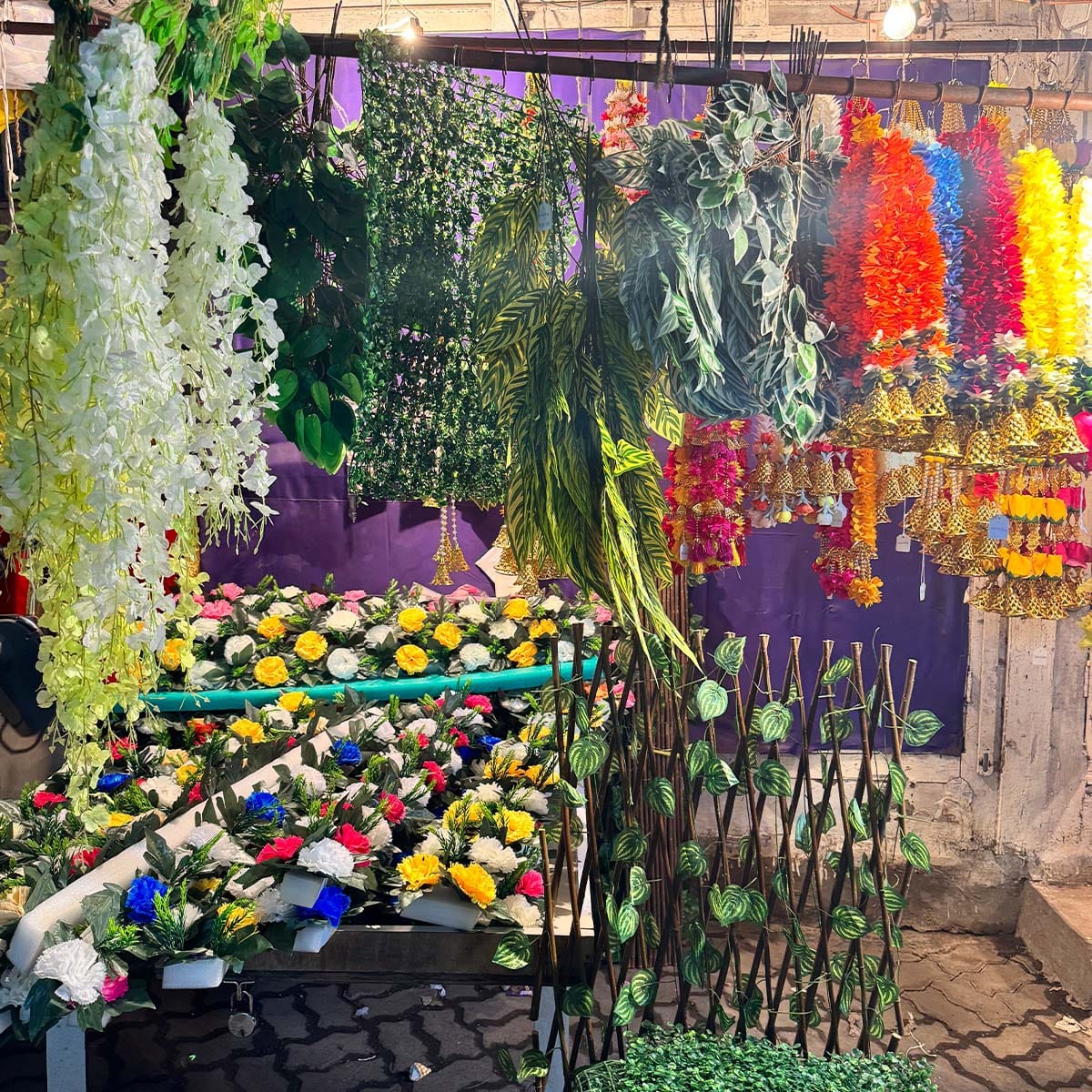
The lanes were filled with vendors selling brightly colored toy bullock statues, decorative accessories, and items for home décor.
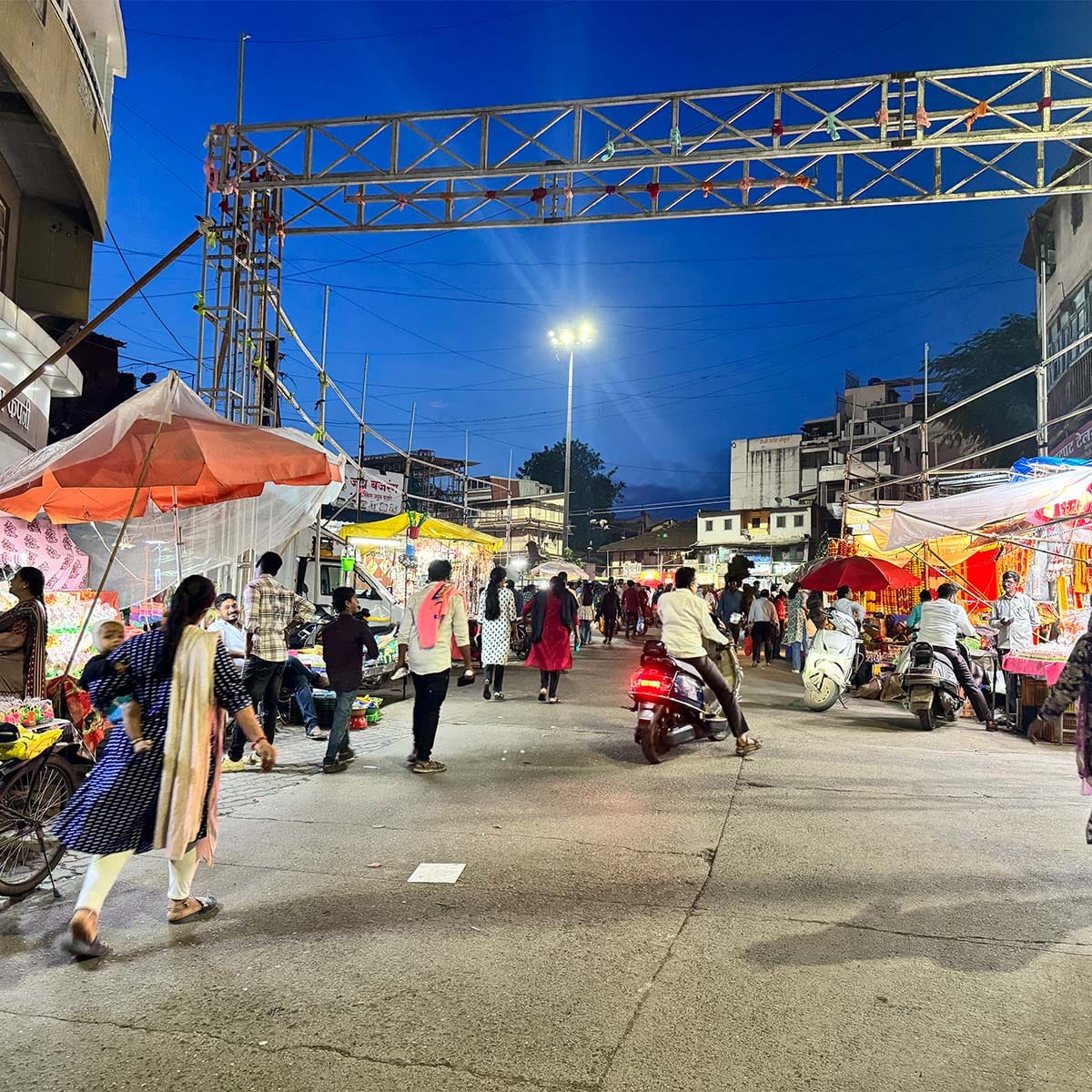
These miniature clay and wooden bullocks are especially popular among children for Tanha Pola, while families also purchase decorative items for the main festival.
The market was not only preparing for Pola but also heralding the arrival of Ganesh Chaturthi, which is just around the corner.
The festive energy, colourful stalls, and cheerful crowd reminded me how Nashik’s local markets continue to preserve traditions and make every festival truly special.
Pola Festival: A Tradition of Gratitude and the Wisdom of our Nature Loving Civilisation
Pola 2026 will be celebrated with great enthusiasm across Maharashtra and other states of central and southern India with villages full of colour, joy, and devotion.
The essence of the festival remains the same: gratitude to the bullocks who have served as companions and helpers in farming for generations.
As India celebrates Bail Pola, it not only honours livestock but also reinforces the timeless values of sustainability, gratitude, and living in harmony with nature!.
Bail Pola Festival 2026 FAQs
What is the Bail Pola festival?
Bail Pola, also known as Pola Festival, is a traditional festival celebrated by farmers in Maharashtra, Madhya Pradesh, Chhattisgarh, and South India to honour their bullocks and livestock for their contribution to agriculture.
When will be Pola 2026 celebrated?
Pola 2026 will be celebrated on 11 September 2026 in most regions of Maharashtra.
How is Bail Pola celebrated in Maharashtra?
Farmers bathe and decorate their bullocks, paint their horns, and perform aarti and puja. Special festive meals are prepared for the animals, after which a grand procession is carried out in the village.
What is Tanha Pola?
Tanha Pola is a children’s version of the festival where they decorate wooden or clay toy bullocks and take them around the village in small processions.
Why is the Pola festival important?
Pola symbolises gratitude towards animals and nature, reminding us of the deep bond between farmers and their bullocks, who play a vital role in rural life and agriculture.
Is Pola celebrated only in Maharashtra?
While Pola is most popular in Maharashtra, it is also celebrated in parts of Madhya Pradesh, Chhattisgarh, and Telangana under different local names.
How is Pola connected to Indian culture?
Pola highlights the sustainable and nature-loving traditions of Indian culture, where humans, animals, and the environment coexist in harmony. It reflects India’s timeless wisdom of gratitude and respect for all living beings.