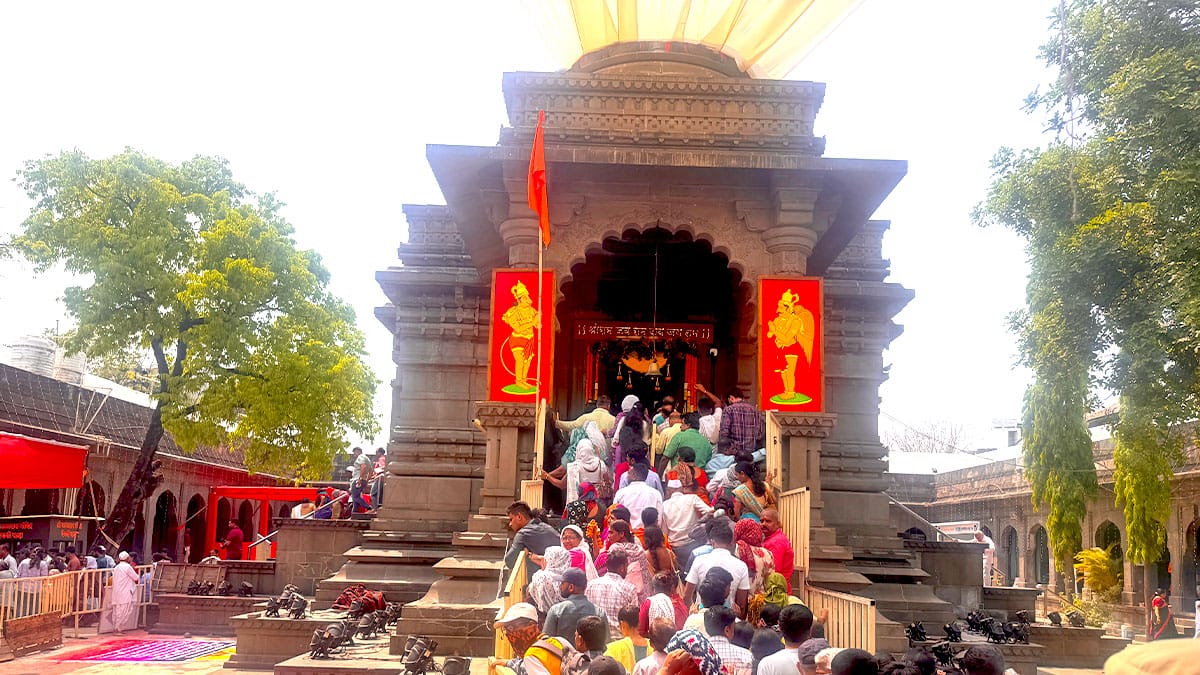
Ram Navami 2026, celebrating the birth of Prabhu Shri Ram, the ever glorious scion of the illustrious Ikshvaku lineage of Suryavanshi Kshatriyas and the eternal embodiment of Dharma, was observed with great festive fervour on 26 March 2026.
As the sacred month of Chaitra heralds the onset of the Hindu New Year, an atmosphere of devotion and cultural excitement envelops the whole of Bharat.
Observed on the ninth day of the bright fortnight (Navami Tithi Shukla Paksha) of Chaitra Navratri, this sacred festival marks the moment when the supreme godhead, Shri Narayana, took human form to restore cosmic balance.
Learn about Ram Navami 2026, its date, muhurat, and significance as temples resonate with bhajans and spiritual fervour to welcome the festival.
Ram Navami 2026 Tithi
- Tithi starts : 11:48am 26 March 2026
- Tithi ends : 10:06am 27 March 2026
As per traditional beliefs, Prabhu Shriram took human birth during the midday period of Chaitra Shukla Navami (ninth day of the bright half of the month of Chaitra).
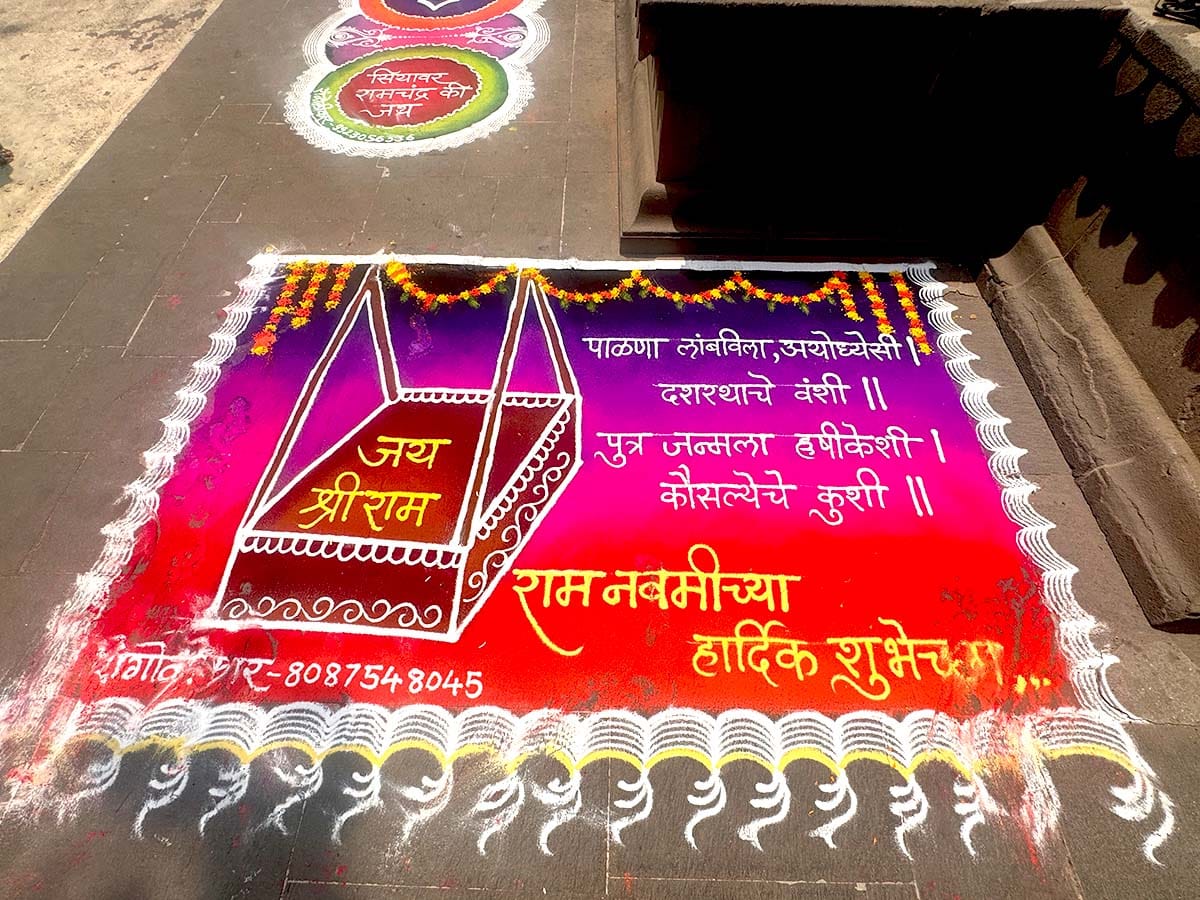
Ram Navami 2026 Date Debate: 26 March or 27 March?
This year there was some confusion among devotees and Panchang followers regarding the exact date of Ram Navami with some sources advising 26 March 2026 and others stating 27 March 2026 as per varying traditional calculations.
This divergence arises from the nuanced principles of the Hindu lunar calendar, particularly the concepts of Madhyahna Kaal (midday period) and Udaya Tithi (sunrise-based tithi).
View 1: Observance on 26 March (Madhyanha Kaal)
A large number of traditions hold that Ram Navami should be celebrated during the Madhyanha muhurat – the sacred midday period when Lord Rama is believed to have manifested on Earth.
As the Navami tithi sees the Madhyanha Kaal (midday period) on 26 March 2026, hence this day is to be celebrated as Ram Navmi.
This view prioritises the exact birth moment (janma kaal) of Shri Ram.
View 2: Observance on 27 March (Udaya Tithi)
Another widely respected tradition follows the principle of Udaya Tithi, which considers the tithi prevailing at sunrise.
As the Navami tithi sees the sunrise on 27 March 2026, hence the festival is to be observed on this date.
This method aligns with the general sunrise tithi rules followed for many Hindu festivals.
What date should devotees follow?
In such situations, devotees are encouraged to:
- Follow their local temple traditions
- Refer to their regional Panchang
- Or observe the festival with devotion on either or both days
Ultimately, the essence of Ram Navami lies in sincere devotion to Shri Ram and the values he represents.
Kalaram Mandir Nashik celebrated Shri Ram Janmotsav on 26 March 2026
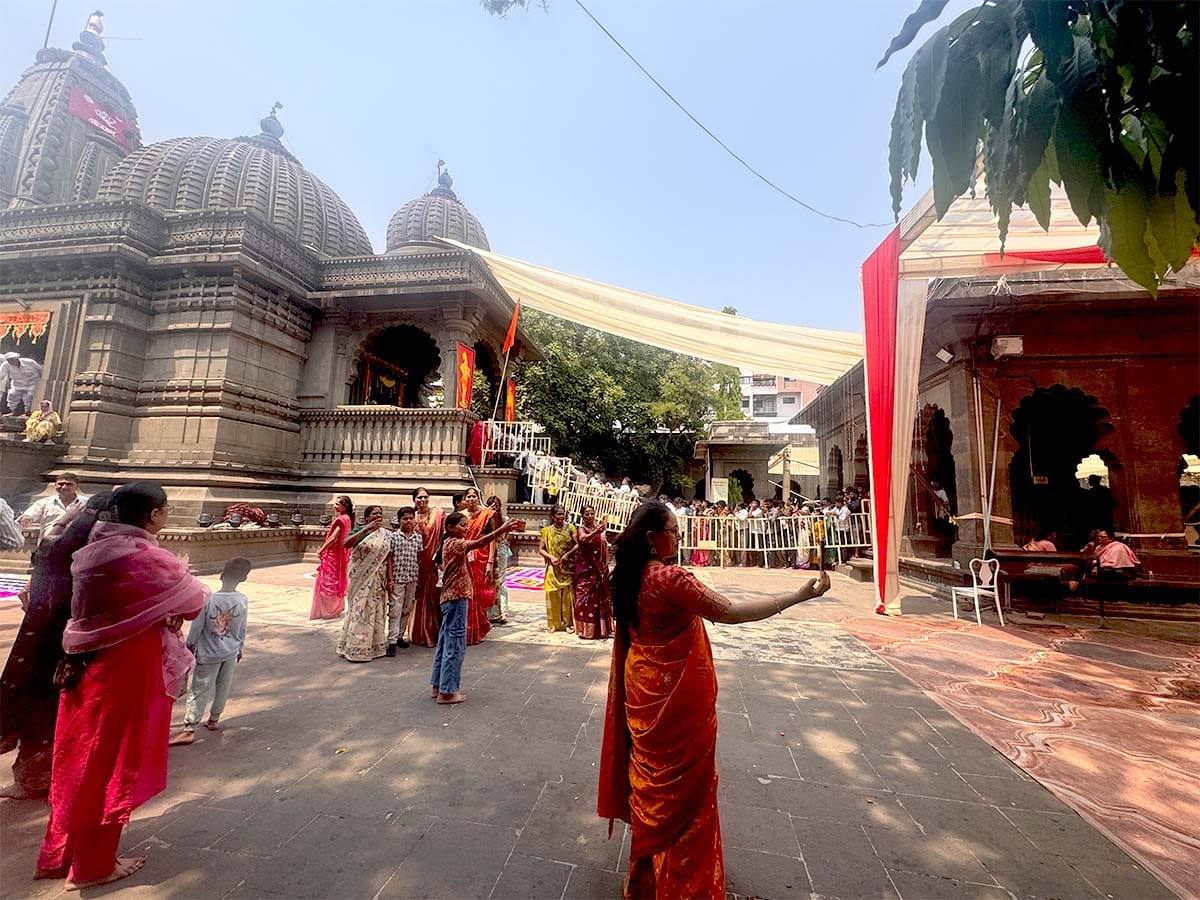
Ram Navami Significance: Why is Ram Navami Celebrated?
The significance of Ram Navami transcends ritual observance – it is a profound reminder of the victory of Dharma over Adharma.
Shri Ram, revered as Maryada Purushottam, exemplifies the highest ideals of righteousness, duty, and compassion. His life, as narrated in the Ramayana, stands as a timeless guide for humanity.
Shri Ram is a benevolent King, but also “Kaal” (the Destroyer) for the forces of Adharma – he is the divine force that brings about the destruction of unrighteousness.
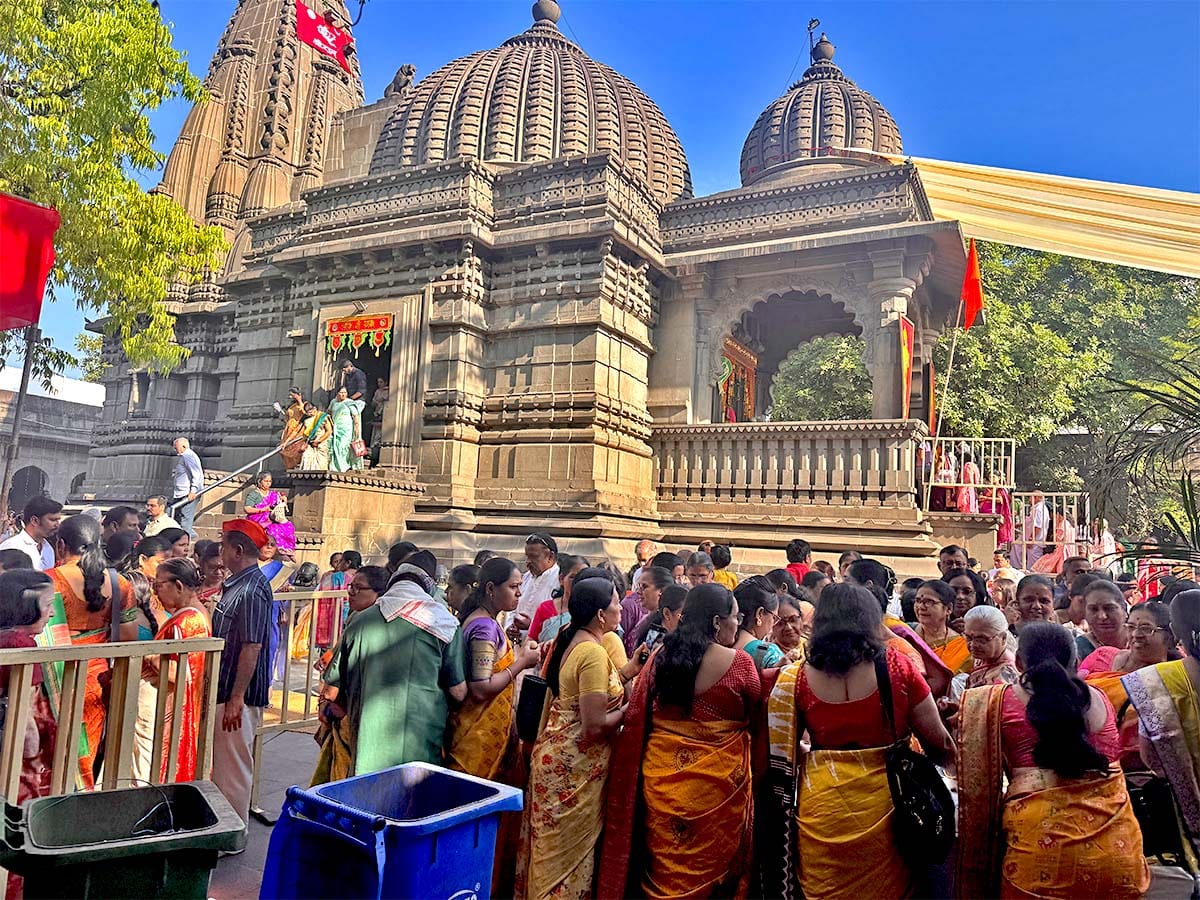
Ram Navami Puja Vidhi (Simple Guide)
Devotees observe Ram Navami with devotion and discipline. You may follow this simple ritual guide.
Getting up early morning
One should begin the day early, rising at dawn and taking a purifying bath, followed by wearing clean and traditional attire.
The puja is commenced with the invocation of Lord Ganesha, seeking his blessings for the successful completion of the rituals.
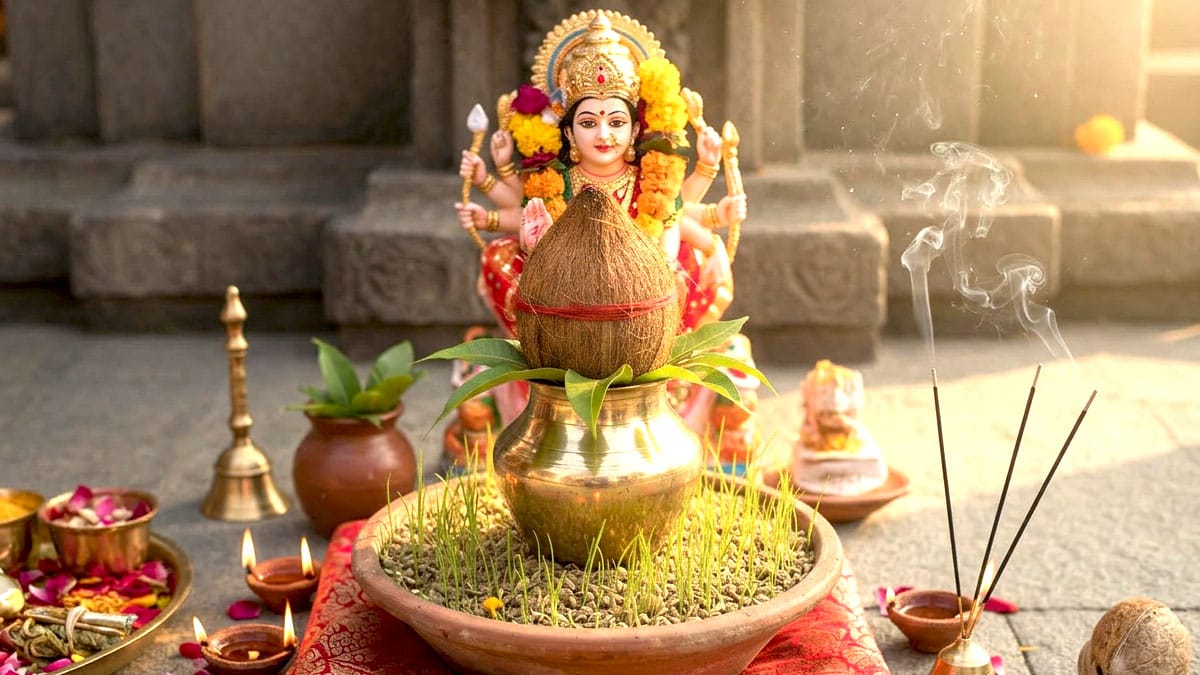
Setting up the Pooja
Thereafter, an idol or image of Shri Ram is respectfully placed at a clean and sanctified space within the home. The deity is then ceremonially bathed with holy Gangajal, symbolizing purification and divine grace.
Devotees offer chandan (sandalwood paste), akshata (sacred rice), fresh flowers, and, where possible, new cloth (vastra) to the deity.
Prayers and Rituals
With a serene and devotional mind, incense (dhoop) and lamps (deep) are lit, and prayers are offered with utmost devotiton.
Devotees may recite sacred texts such as the Ramayana or chant powerful mantras dedicated to Shri Ram, which are believed to invoke divine blessings and inner peace.
The ritual concludes with the offering of naivedya (food offerings) and a heartfelt prayer at the lotus feet of Shri Ram, seeking happiness, peace, and prosperity in life.
It is also considered highly auspicious on this day to decorate one’s home, wear new clothes, and perform havan (sacred fire ritual), thereby enhancing the spiritual sanctity of the occasion.
Many devotees also observe a fast (upvas) and break it after the puja.
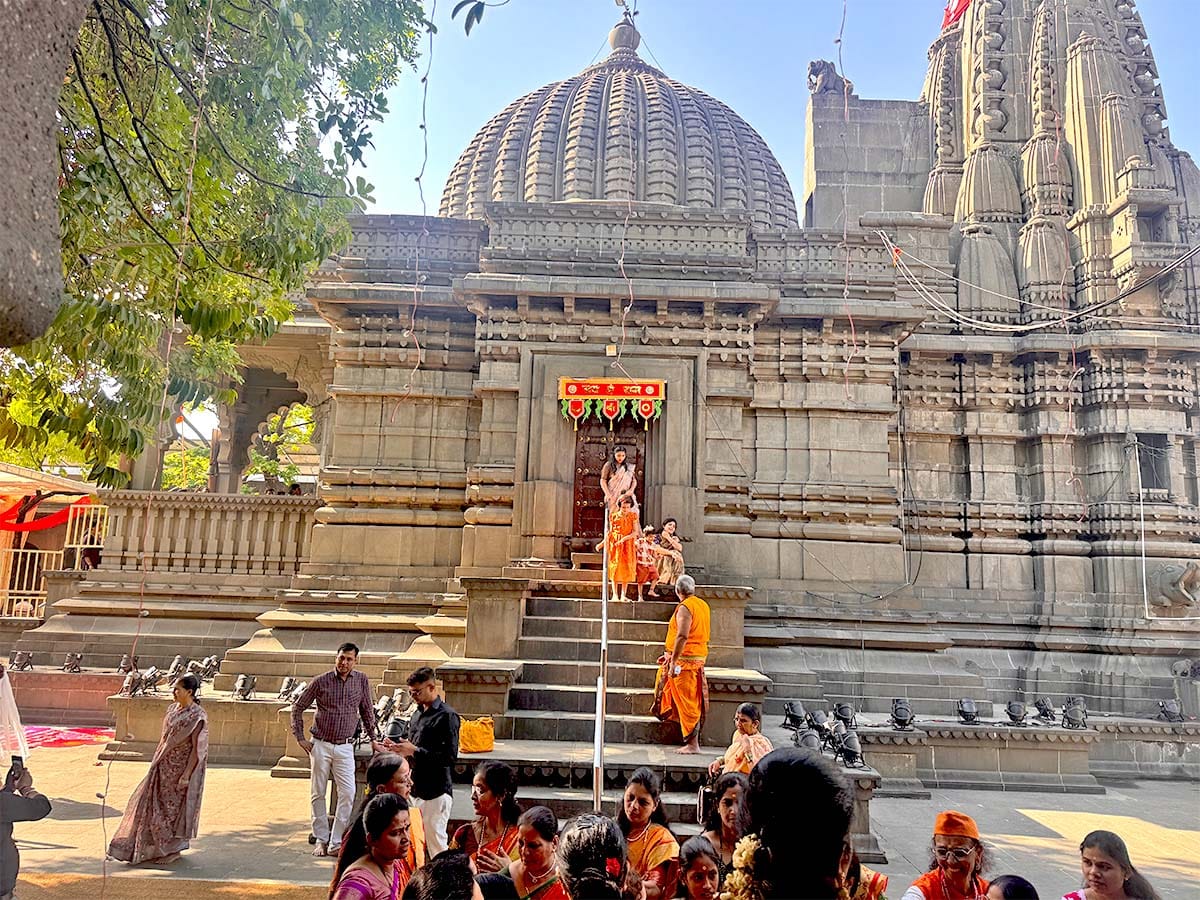
Ram Navami Celebrations in Nashik (Ramkund & Kalaram Mandir)
In the sacred city of Nashik, Ram Navami is celebrated with exceptional devotion, especially in the spiritually significant region of Panchavati – a land intimately associated with Shri Ram.
Kalaram Mandir Celebrations
The historic Kalaram Mandir Nashik becomes the epicentre of Ramnavmi celebrations:
- Elaborate decorations and lighting
- Continuous bhajans and kirtans
- Special aartis during Madhyahna muhurat
- Large gatherings of devotees
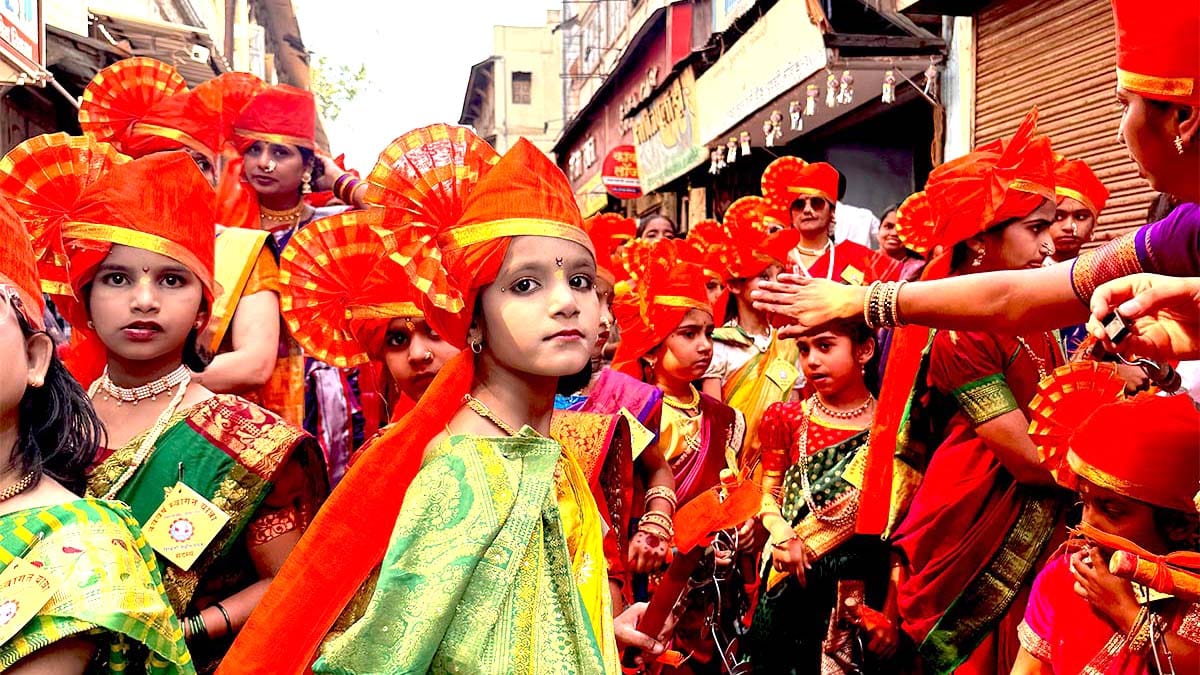
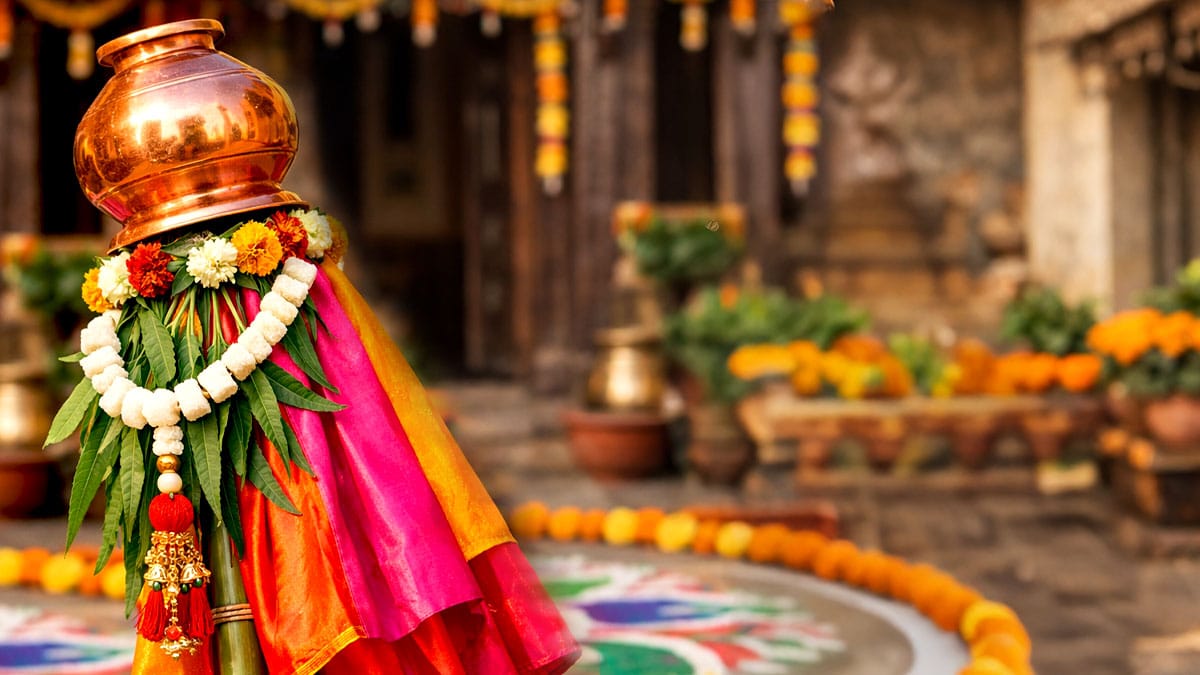
Vasantik Navratri Mahotsav is a major festival celebrated at Kalaram Temple Nashik which ushers in the Hindu New Year with Gudi Padwa and culminates on Ram Navmi with the birth of Shriram.
Chaitra Shuddh Ekadashi on 29 March 2026 saw a huge Rath Yatra procession carried out from the temple which traveled through most of the old settlements of Nashik City.
Thousands of devotees witness and follow the Rath Yatra dedicated to Shri Ram. The entire atmosphere is charged with devotion as chants of “Jai Shri Ram” echo through the lanes and streets of Panchavati.
Other Sacred Sites Nearby in Panchavati
- Sita Gufa temple sees a steady flow of devotees
- Thousands of devotes visit Ramkund Ghat on the Godavari for ritual bath and prayers.
Note: Sita Gufa temple has opened again for regular darshan. It was temporarily closed due to the Ram Kal Path civil works going on in the vicinity of the temple.
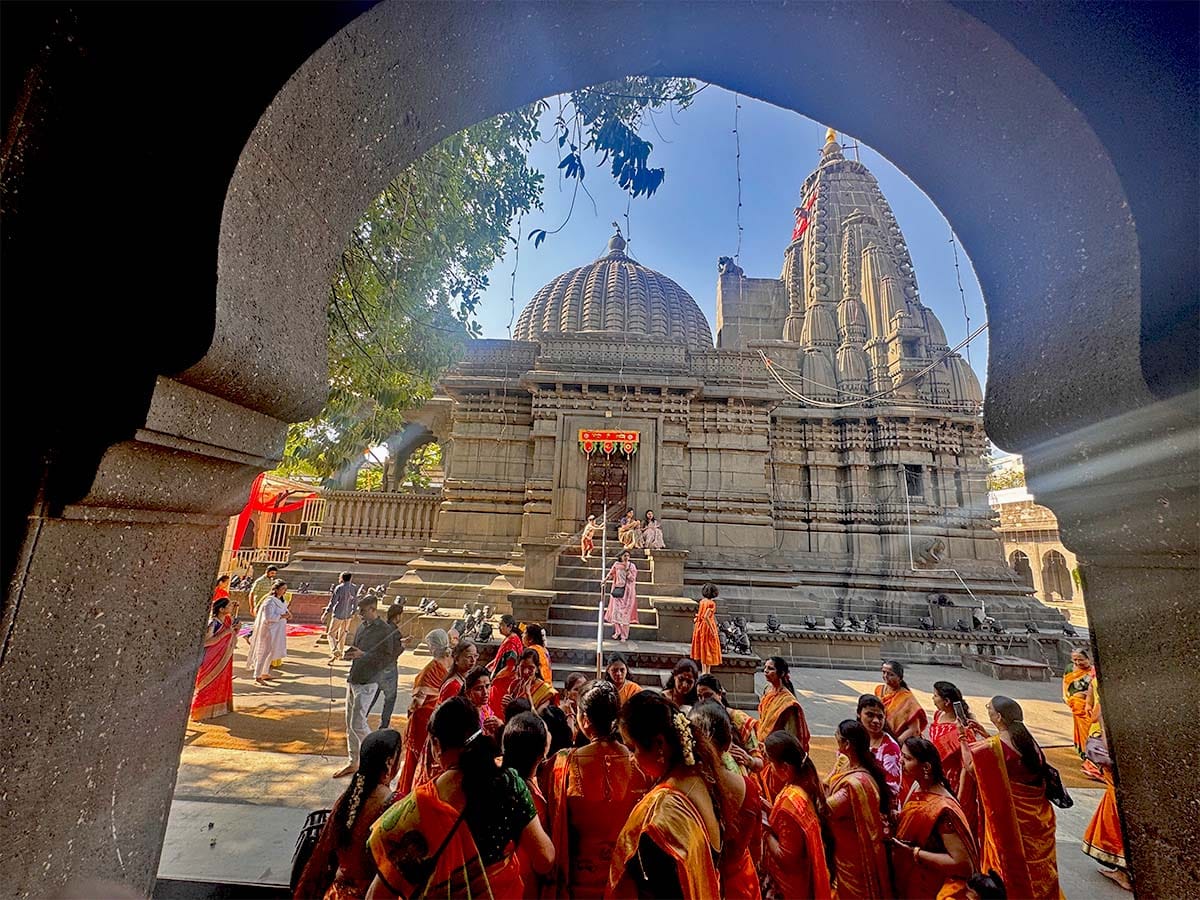
Timeless ideals and virtues of Shri Rama
Beyond the celebration of his divine birth, Ram Navami is an occasion to reflect upon the qualities embodied by Shri Ram – ideals that continue to guide humanity across ages.
Revered as Maryada Purushottam, Shri Ram represents the highest standards of conduct, righteousness, and duty. His life, as described in the Ramayana, is a narrative of epic events and also a living blueprint of ideal human behaviour.
Ram Navami Wishes in English
- Happy Ram Navami! May the blessings of Lord Rama fill your life with peace, happiness, and prosperity.
- On this auspicious occasion of Ram Navami, may Shri Ram guide you on the path of dharma and righteousness.
- May the divine grace of Lord Ram bring harmony, success, and positivity into your life. Happy Ram Navami 2026!
- Let us celebrate the birth of Maryada Purushottam and strive to follow his ideals of truth and virtue. Happy Ram Navami!
- May Shri Ram bless you with strength, courage, and unwavering faith. Wishing you a joyful and blessed Ram Navami.
राम नवमी की शुभकामनाएं (Ram Navami Wishes in Hindi)
- राम नवमी की हार्दिक शुभकामनाएं! भगवान श्रीराम आपके जीवन में सुख, शांति और समृद्धि लाएं।
- इस पावन अवसर पर प्रभु श्रीराम की कृपा आप पर सदैव बनी रहे। राम नवमी की मंगलमय शुभकामनाएं।
- भगवान श्रीराम आपके जीवन को धर्म, सत्य और सदाचार से आलोकित करें। राम नवमी की शुभकामनाएं!
- इस राम नवमी पर प्रभु श्रीराम आपको साहस, धैर्य और सफलता प्रदान करें।
- राम नवमी के पावन पर्व पर आपके घर में सुख-समृद्धि और खुशियों का वास हो। जय श्री राम!
FAQs on Ram Navami
When is Ram Navami 2026? (Ram Navami Kab Hai)
Ram Navami is celebrated on the ninth day of the bright half of Chaitra month (Chaitra Shukla Navami). This year it will be observed on 26 March or 27 March 2026.
Why is Ram Navami celebrated?
It marks the birth of Shri Ram, the illustrious scion of Raghu’s race and the upholder of Dharma.
How is Ram Navami celebrated in Nashik?
In Nashik, Ram Navami is celebrated with great devotion, especially in Panchavati and at Kalaram Mandir, where devotees gather for bhajans, aartis, and special rituals.