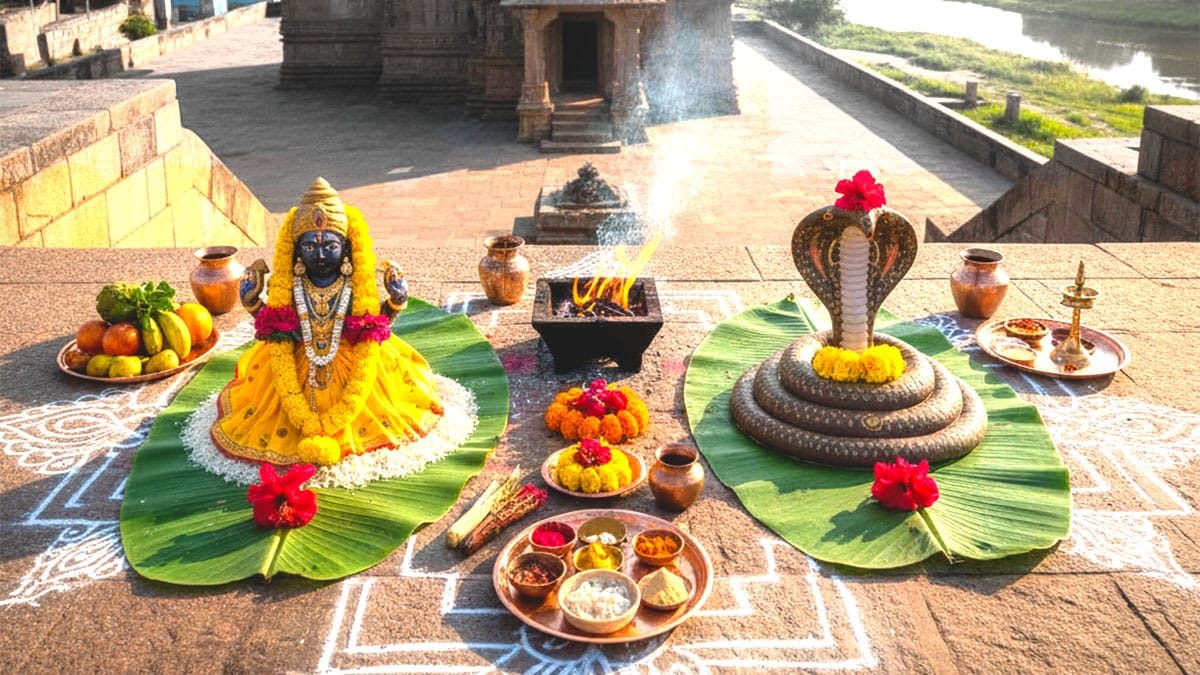
Narayan Nagbali Puja is a traditional Vedic ritual performed at Trimbakeshwar Jyotirlinga Mandir in Nashik.
Rooted in ancient Shaiva and Vaishnava traditions, this combined ritual addresses specific ancestral and karmic concerns described in classical dharmic practices.
The puja brings together two distinct rites – Narayan Bali and Nag Bali or Nagbali – which are traditionally performed together over a prescribed period under the guidance of learned priests.
Trimbakeshwar holds a unique place in this tradition due to its sacred geography, proximity to the origin of the Godavari River, and long-established ritual lineage.
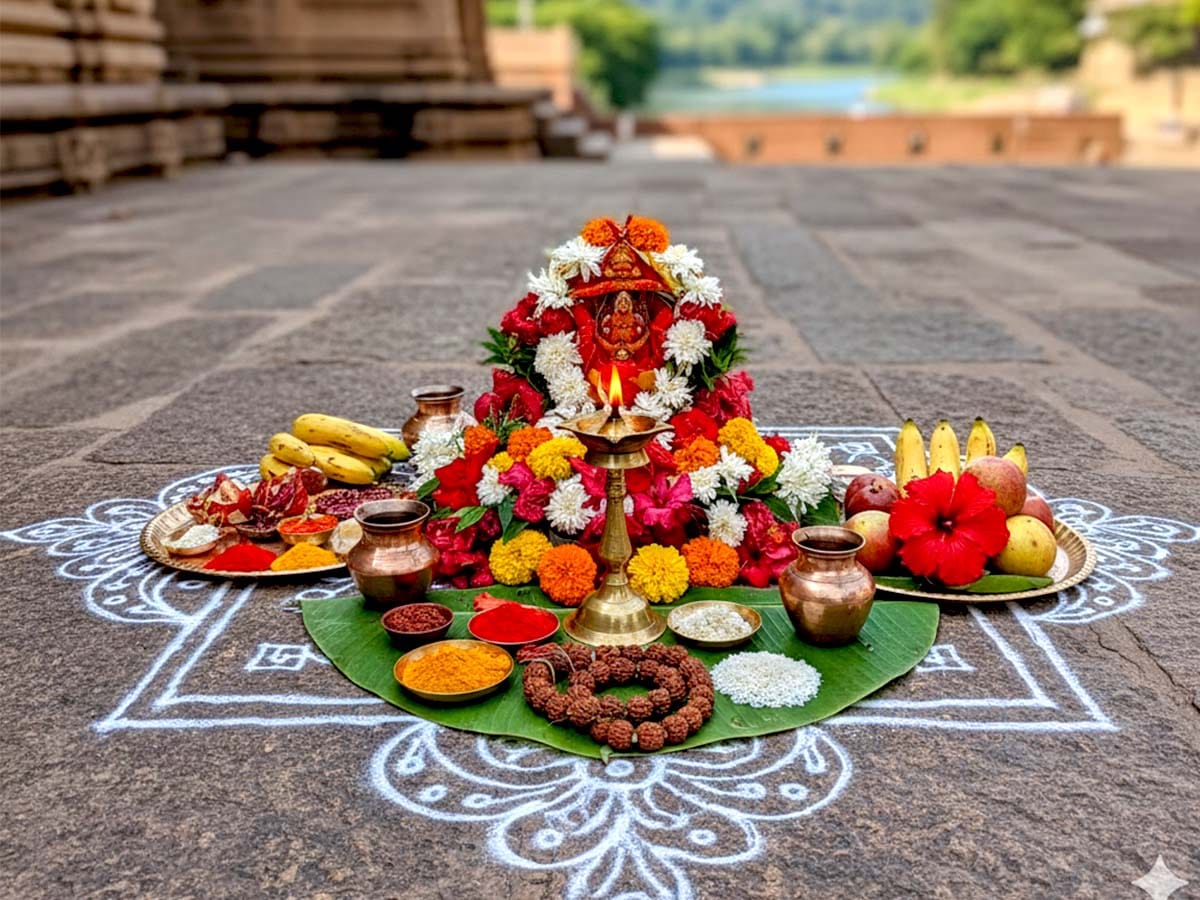
What Is Narayan Bali Puja?
Narayan Bali Puja is performed for individuals believed to be affected by certain unresolved ancestral conditions. According to traditional belief, it is prescribed when a departed soul is unable to attain peace due to untimely or unnatural death.
The ritual symbolically offers rites on behalf of such souls, invoking Narayan (Shri Hari Vishnu) as the presiding deity.
The puja follows principles similar to Shraddha and Pinda-daan traditions, emphasising remembrance, gratitude, and spiritual responsibility towards ancestors.
What Is Nagbali Puja?
Nag Bali Puja or Nagbali Puja addresses karmic consequences associated with harm caused to serpents, knowingly or unknowingly.
In dharmic tradition, serpents hold deep spiritual significance and are closely associated with Bhagwan Shiva, cosmic balance, and fertility.
The ritual symbolically seeks forgiveness and balance through prayer and offerings, acknowledging the sacred place of Nagas within Sanatana Dharma.
Also read Kaal Sarp Dosh Shanti Puja at Trimbakeshwar Nashik
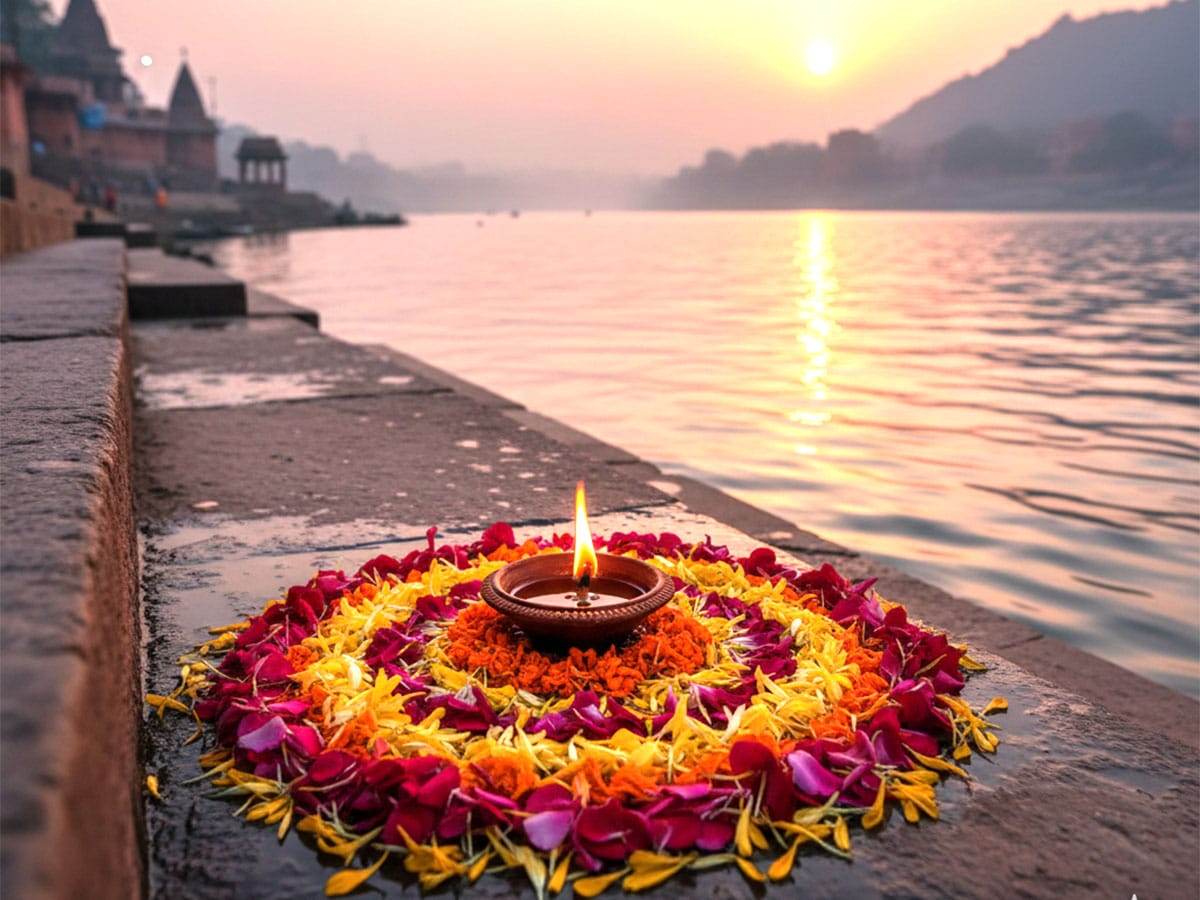
Why Are Narayan Bali and Nagbali Performed Together?
Over time, tradition has evolved to combine these two rituals as Narayan Nag Bali Puja, since both relate to ancestral karma and spiritual equilibrium.
Performing them together ensures ritual completeness and continuity, especially at Trimbakeshwar, where this combined practice has been followed for generations.
Narayan Nagbali Puja at Trimbakeshwar
Trimbakeshwar is regarded as one of the most important centres for performing Narayan Nag Bali Puja. The presence of the Trimbakeshwar Jyotirlinga, ancient Kushavarta Tirtha, and the surrounding sacred landscape gives the ritual its spiritual context.
Traditionally, the puja is conducted over three days, involving:
- Sankalp (sacred intent)
- Symbolic offerings
- Mantra recitation
- Pinda-daan and concluding rites
The rituals are performed strictly according to established vidhi under qualified priests familiar with Trimbakeshwar traditions.
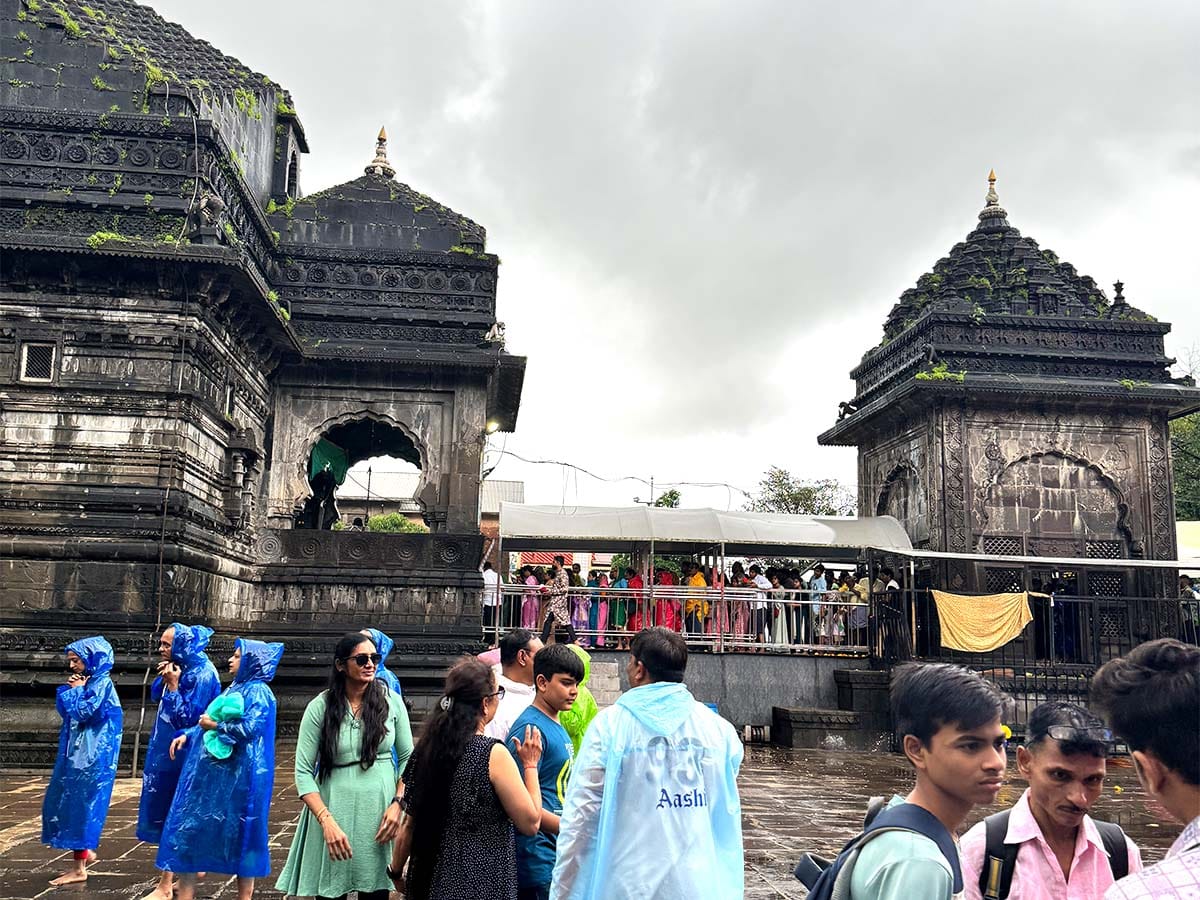
Other Traditional Locations for Narayan Bali Puja
Narayan Bali Puja is also traditionally associated with places such as Gokarna in Karnataka and Haridwar on the banks of the Ganga, where ancestral rites and pinda-pradanam have been performed for centuries.
Each of these Kshetras follows its own ritual lineage and local traditions, however, Trimbakeshwar holds a distinct position due to its Jyotirlinga status and its association with both Narayan Bali and Nag Bali being performed together within an established ritual framework.
When Is Narayan Nag Bali Puja Performed?
The timing of Narayan Bali Puja and Nagbali Puja is determined based on the Hindu calendar and, in some cases, astrological considerations. Certain lunar days, specific months, and periods outside inauspicious times are traditionally preferred.
Priests at Trimbakeshwar guide devotees regarding appropriate dates based on ritual suitability rather than convenience.
Spiritual Significance and Traditional Beliefs
According to tradition, Narayan Nag Bali Puja is believed to:
- Bring peace to unsettled ancestral souls
- Restore balance within the family lineage
- Address karmic imbalances linked to ancestral or symbolic transgressions
It is important to understand that these outcomes are described within the framework of Dharma and tradition, and the ritual is best approached as an act of reverence and spiritual responsibility rather than a transactional solution.
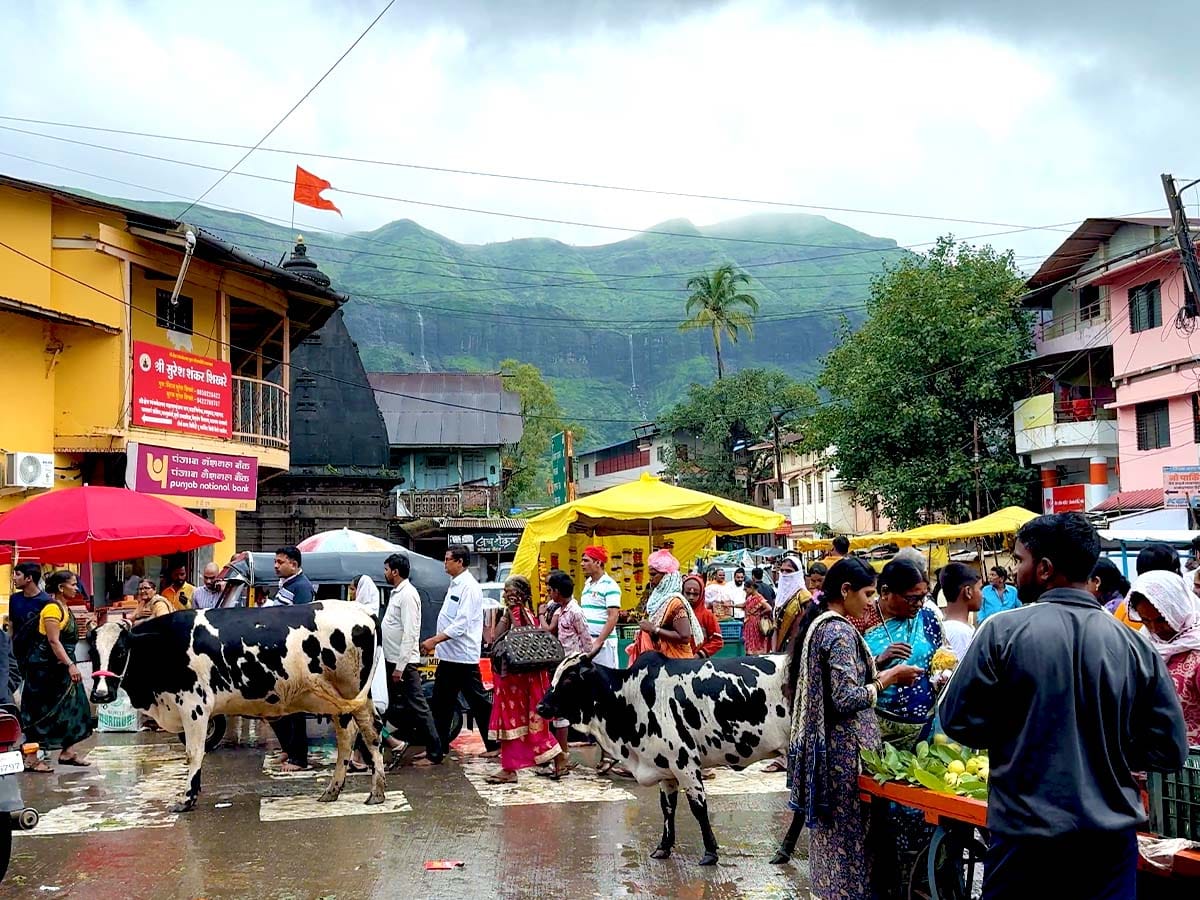
Performing the Puja in the Right Spirit
Narayan Nagbali Puja is deeply rooted in Shraddha, remembrance, and humility. Trimbakeshwar provides a sacred setting that encourages introspection and devotion.
The essence of the ritual lies not in fear or compulsion, but in conscious participation, respect for ancestral ties, and alignment with dharmic values.
Narayan Nag Bali Puja reflects the depth of Sanatana Dharma’s approach to ancestry, responsibility, and cosmic harmony. When performed with understanding and devotion, it becomes an opportunity for reflection, gratitude, and spiritual alignment – values that remain timeless in Hindu tradition.
Related
Narayan Nagbali Puja FAQs
What is Narayan Nagbali Puja?
Narayan Nag Bali Puja is a combined ritual consisting of Narayan Bali and Nag Bali, traditionally performed to address ancestral and karmic concerns as described in Hindu tradition.
Where is Narayan Nagbali Puja performed?
The puja is most commonly performed at Trimbakeshwar Jyotirlinga in Nashik, which is considered a प्रमुख (principal) centre for this ritual.
What is the difference between Narayan Bali and Nag Bali?
Narayan Bali focuses on ancestral rites, while Nag Bali addresses karmic imbalance related to serpents. They are usually performed together for ritual completeness.
When should Narayan Nag Bali Puja be performed?
The timing is decided based on the Hindu calendar and traditional considerations. Priests at Trimbakeshwar advise suitable dates.
Is Narayan Nag Bali Puja mandatory?
No. It is a voluntary ritual rooted in belief and tradition, undertaken by devotees seeking spiritual balance and ancestral peace.