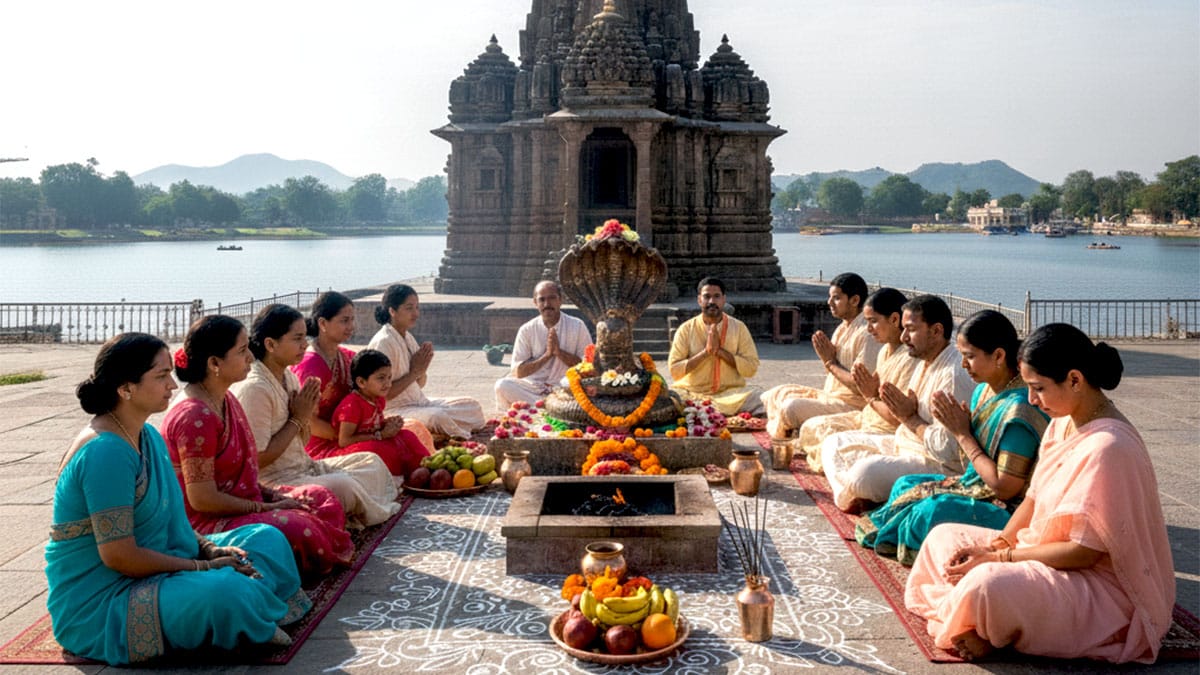
Kaal Sarpa Shanti Puja, also referred to as Kaal Sarp Dosh Nivaran Puja, is a sacred ritual performed to seek Shanti (pacification) and spiritual balance from the effects of Kaal Sarpa Dosha, as understood in Vedic astrology.
In traditional practice, Kaal Sarpa Shanti Puja is performed with Shraddha and Bhakti, seeking harmony and balance through prayer to Lord Shiva.
What is Kaal Sarpa Dosh?
Kaal Sarpa Dosh, also written as Kala Sarpa Dosha, Kalasarpa Dosha, or Kaal Sarp Yoga, is a concept found in Jyotisha Shastra (Vedic astrology).
It is said to arise when all the major planets in a person’s birth chart are positioned between Rahu and Ketu, the two lunar nodes.
When people search for “what is Kaal Sarp Dosh”, “Kaal sarp dosh meaning”, or “Kaal sarp dosh kya hota hai”, they are usually referring to this planetary alignment.

Regional spellings such as Kala Sarpa Yoga, Kalsarpa Yoga, Kala Sarpa Yogam, and Kala Sarpa Yogaya are linguistic variations describing the same astrological idea.
It is important to understand that Kaal Sarpa Dosh is an astrological belief, not a direct injunction from core Hindu scriptures.
Classical Hindu philosophy consistently places greater emphasis on Karma, Dharma, devotion, and spiritual discipline than on planetary fear.
How to Practically Perform Kaal Sarpa Shanti Puja at Trimbakeshwar
Devotees who wish to perform Kaal Sarpa Shanti Puja at Trimbakeshwar generally follow traditional, temple-associated procedures.
The ritual is usually conducted by locally practising priests who are familiar with the customs, mantras, and Shaiva traditions of the Trimbakeshwar region.
Also read Trimbakeshwar Jyotirling Mandir: Sacred Shiva Temple and one of 12 Jyotirlingas
Where do Devotees Traditionally Approach for the Puja
In most cases, devotees:
- Visit Trimbakeshwar Temple in person
- Approach authorised or locally recognised priests near the temple premises
- Seek guidance regarding the appropriate date, time (muhurat), and ritual format
Many priests associated with Trimbakeshwar follow long-established lineages, and the puja is typically conducted in a traditional setting near the temple or in designated ritual spaces associated with the kshetra.
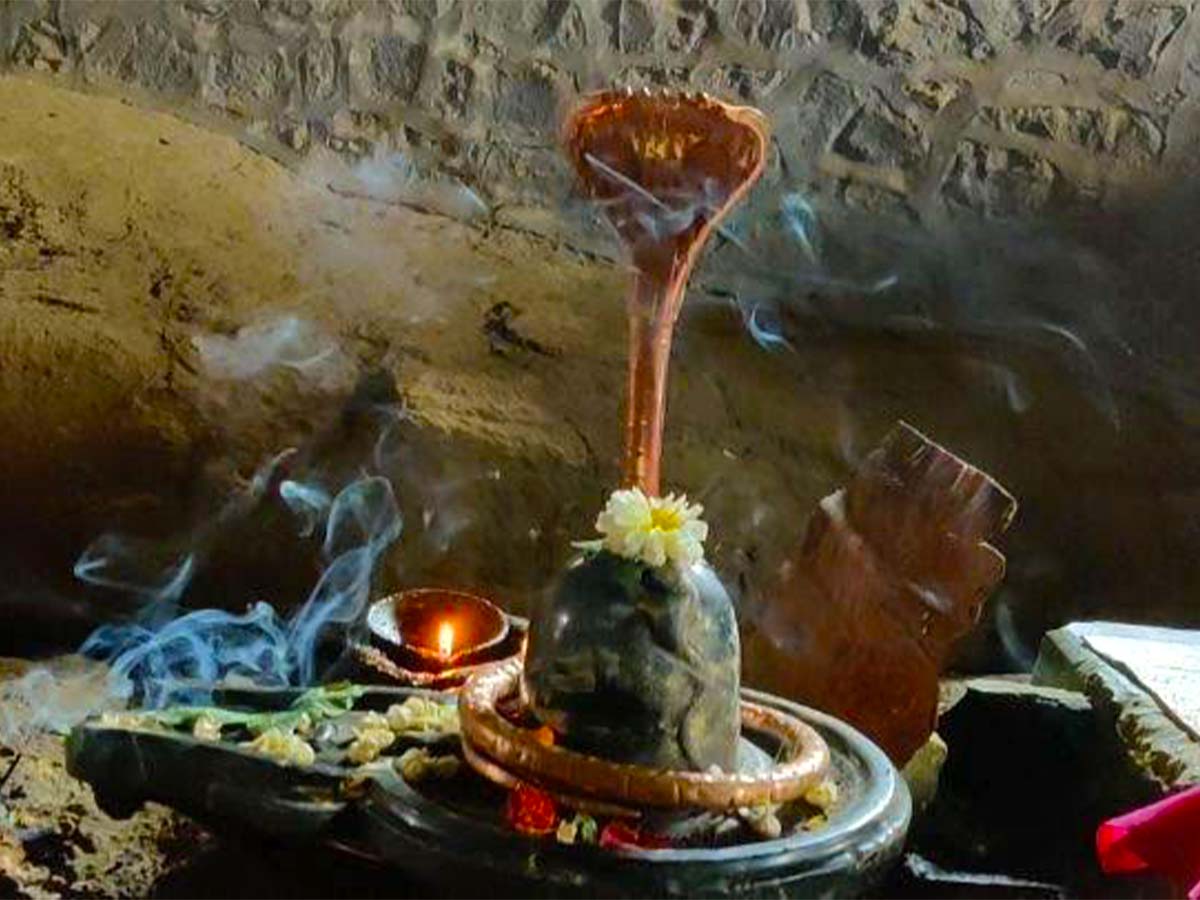
Kaal Sarpa Dosh in Hindu Thought: A Balanced View
Modern discussions often exaggerate Kaal Sarpa Dosh effects, symptoms, or create fear with thoughts like “which Kaal Sarpa Dosh is most dangerous”.
Such interpretations are largely astrology-centric and vary between traditions and practitioners.
From a broader Sanatana Dharma perspective:
- No ancient Shaiva or Vaishnava text declares Kaal Sarpa Dosh as an irreversible curse.
- Planetary combinations are seen as indicators, not final determinants of destiny.
- Spiritual growth, ethical living, and adherence to Dharma (righteousness) are always regarded as superior to planetary influence.
This balanced understanding is essential when approaching topics like Sarp Dosh or Kaal Sarpa Yoga.
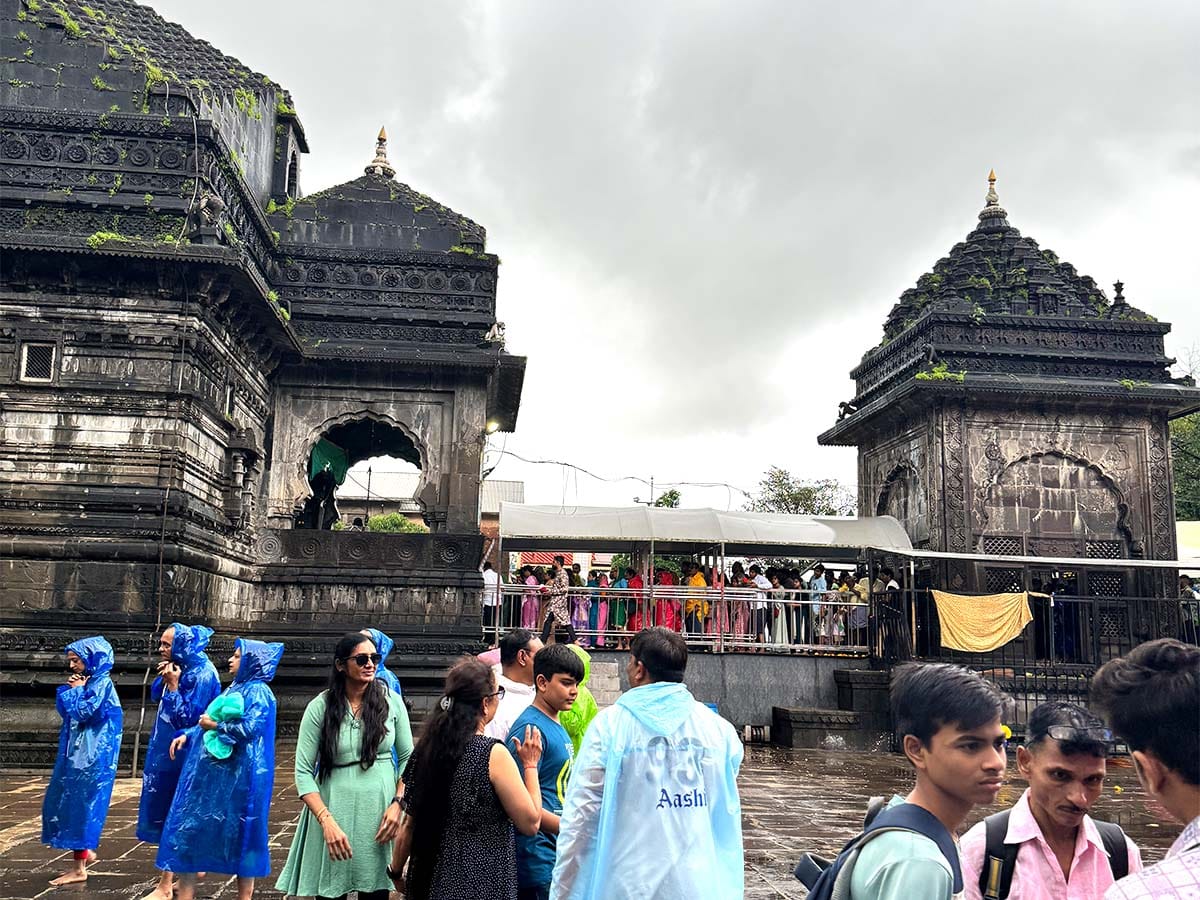
Why Trimbakeshwar is associated with Kaal Sarpa Shanti Puja
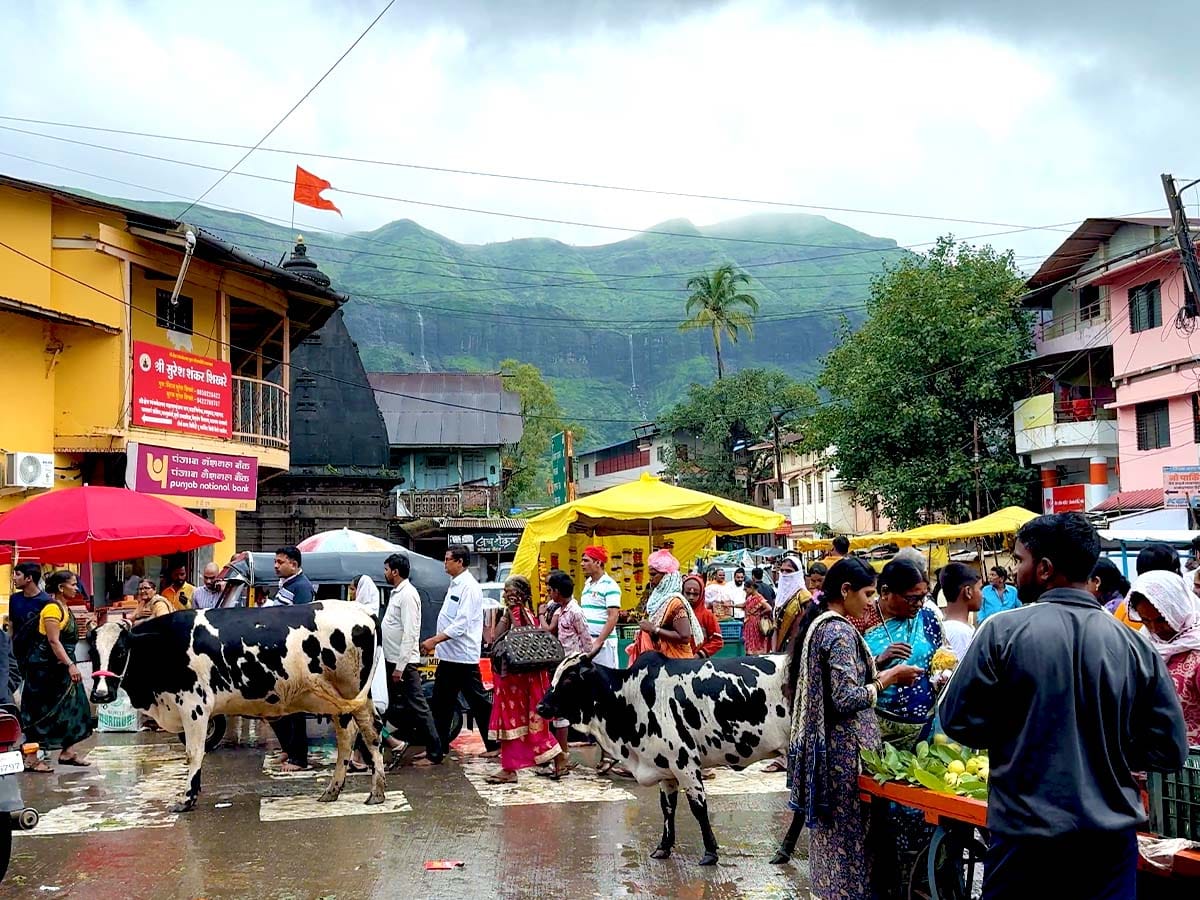
Trimbakeshwar, one of the 12 Jyotirlingas of Lord Shiva, holds unique spiritual importance. Located at the foothills of the Brahmagiri Parvat, it lies in the sacred region associated with the origin of the Godavari River.
Also read Brahmagiri Parvat: Sacred Mountain near Trimbakeshwar Temple and Source of the Godavari River
Devotees associate Kaal Sarpa Shanti Puja at Trimbakeshwar with deeper spiritual symbolism because:
- Lord Shiva is worshipped here as Trimbakeshwar Jyotirlinga, representing the transcendence of time (Kaalateet).
- Shiva is traditionally regarded as the one who dissolves fear related to karma, time, and death.
- The surrounding geography has been a centre of tapasya, hermitages, and sacred rites since ancient times.
This is why Trimbakeshwar is widely regarded as a spiritually appropriate place for Kaal Sarpa Dosh Puja, even beyond purely astrological considerations.
Types of Kaal Sarpa Dosh (Astrological Classification)
Astrological texts describe several types of Kaal Sarpa Dosh, based on the placement of Rahu and Ketu in different houses of the birth chart. These classifications often appear in searches related to “Kaal sarp dosh types”.
However, from a devotional standpoint:
- These classifications are technical tools used by astrologers.
- They do not define a person’s spiritual worth or destiny.
- Hindu philosophy maintains that bhakti and righteous conduct override planetary combinations and their effects.
Kaal Sarpa Dosh Remedies: Traditional Understanding
When people search for Kaal Sarpa Dosh remedies, Hindu tradition generally recognises:
- Prarthana (prayer) and Japa
- Rituals performed with discipline and faith
- Devotion to Lord Shiva and associated deities
The Kaal Sarpa Shanti Puja is therefore viewed as a ritual of reassurance, not a transactional solution. It helps devotees cultivate inner peace and clarity rather than fear.
A Note on Calculators and Modern Astrology
Concepts like Kaal Sarpa Dosh calculator or Kalasarpa Dosha calculator reflect modern digital astrology tools. Traditionally, such assessments were made through detailed study of the Janma Kundali by learned astrologers.
Regardless of calculations, Sanatana Dharma consistently teaches that:
No planetary alignment is greater than sincere devotion and ethical living.
Understanding Kaal Sarpa Shanti in the Right Spirit
Rooted in the Shaiva tradition, Kaal Sarpa Shanti Puja is approached as a devotional observance performed with reverence and prayer.
The sacred presence of Trimbakeshwar Jyotirlinga offers devotees an atmosphere conducive to introspection, discipline, and inner balance.
Ultimately, the essence of the ritual lies in Shradhha, Bhakti, and spiritual awareness, reinforcing the idea that true Shanti arises from devotion and mindful ethical living rather than anxiety or apprehension.
Kaal Sarp Dosh FAQs
What is Kaal Sarp Dosh and what does it mean?
Kaal Sarp Dosh is an astrological condition that occurs when all planets in a horoscope are positioned between Rahu and Ketu. Its meaning symbolically refers to the enclosure of planetary energies by the serpent-like axis of the lunar nodes Rahu-Ketu, as explained in Vedic astrology.
What is Kaal Sarpa Shanti Puja?
Kaal Sarpa Shanti Puja, also known as Kaal Sarp Dosh Nivaran Puja, is a Shaiva ritual performed to seek shanti (pacification) and balance from the effects associated with Kaal Sarp Dosh.
What are the effects of Kaal Sarp Dosh?
The effects of Kaal Sarp Dosh are believed to vary depending on the individual horoscope and the type of dosha present, and may include delays, obstacles, or mental unrest according to astrological interpretation.
Why is Trimbakeshwar important for Kaal Sarpa Shanti Puja?
Trimbakeshwar Jyotirlinga is regarded as one of the most significant places for performing Kaal Sarpa Shanti Puja due to its ancient Shaiva traditions and its association with Lord Shiva.
How is Kaal Sarpa Shanti Puja performed at Trimbakeshwar?
At Trimbakeshwar, Kaal Sarpa Shanti Puja is traditionally performed under the guidance of temple-associated priests, following prescribed Shaiva rituals and prayers to Lord Shiva, Rahu, and Ketu.