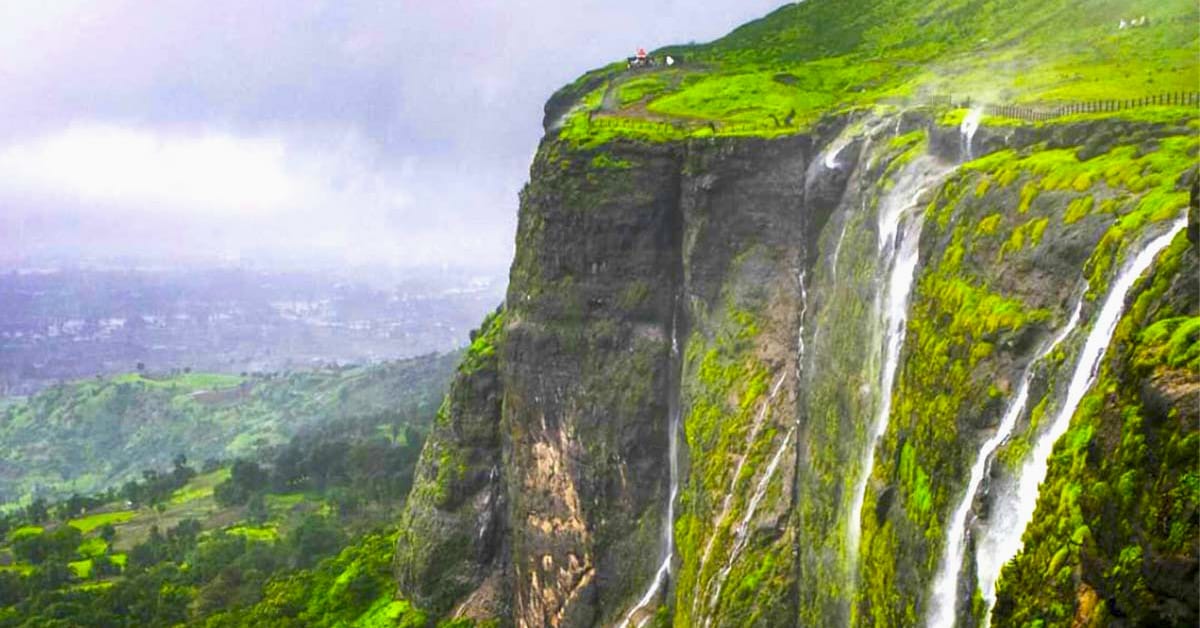
Brahmagiri Parvat, also known as Brahmagiri hill, located near Trimbakeshwar in Nashik district, is not merely a hill of the Sahyadri ranges but one of the most sacred mountains in Bharat’s spiritual geography.
Revered for centuries, Brahmagiri Hill is worshipped as the tapobhumi of Rishi Gautam and Devi Ahilya and is traditionally recognised as the origin of the Godavari River, one of India’s longest and most sacred rivers.
Unlike many pilgrimage sites that derive importance from later temple traditions, Brahmagiri’s sanctity predates organised shrine worship. It is a living sacred landscape where geography, penance, and divine grace converge.
The spiritual significance of Trimbakeshwar Jyotirlinga itself is inseparably linked to Brahmagiri Parvat, making this mountain the foundational source of the region’s religious importance.
Location and Physical Geography of Brahmagiri Parvat
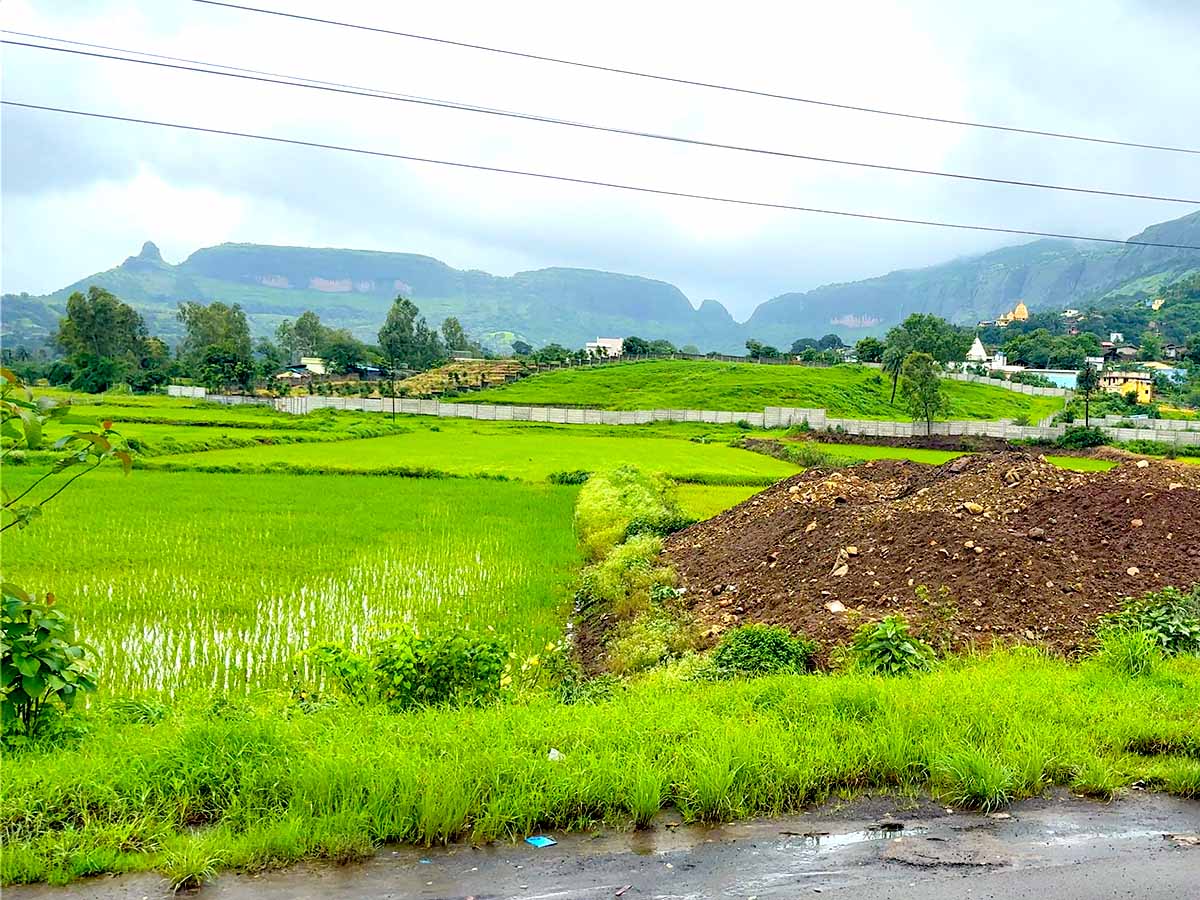
Brahmagiri Parvat is situated in the Western Ghats (Sahyadri range), close to Trimbakeshwar town in Nashik, Maharashtra. Rising prominently above the surrounding terrain, Brahmagiri forms part of a critical watershed region, where several important rivers of peninsular India originate.
The Sahyadris are known for their dense forests, basalt rock formations, and heavy monsoon rainfall. It is within this ecological and geographical setting that Brahmagiri hill gained both natural and sacred significance, providing the physical conditions necessary for the emergence of perennial river systems such as the Godavari.

The Tapasya of Rishi Gautam and Devi Ahilya
Ancient traditions associated with Brahmagiri Hill emphasise that the sanctity of this region is the result of severe penance undertaken jointly by Rishi Gautam and his wife, Devi Ahilya.
At a time when the Brahmagiri region and surrounding areas were afflicted by prolonged drought and absence of rainfall, life became extremely difficult for humans, animals, and vegetation alike.
Also read Trimbakeshwar Jyotirlinga Mandir: Sacred Shiva Temple near Nashik
Moved by compassion for all living beings, Rishi Gautam and Devi Ahilya chose Brahmagiri as the site of their austerities. Their penance was not performed for personal gain, but for Lokakalyan – the welfare of humanity and the restoration of balance in nature.
Ancient narratives consistently underline that Devi Ahilya was not a passive presence but an active participant in the tapasya, embodying endurance, devotion, and spiritual resolve.
Pleased by their intense austerities, Lord Shiva granted them a divine boon that would permanently relieve the suffering of the region.
Origin of the Godavari River at Brahmagiri Hill
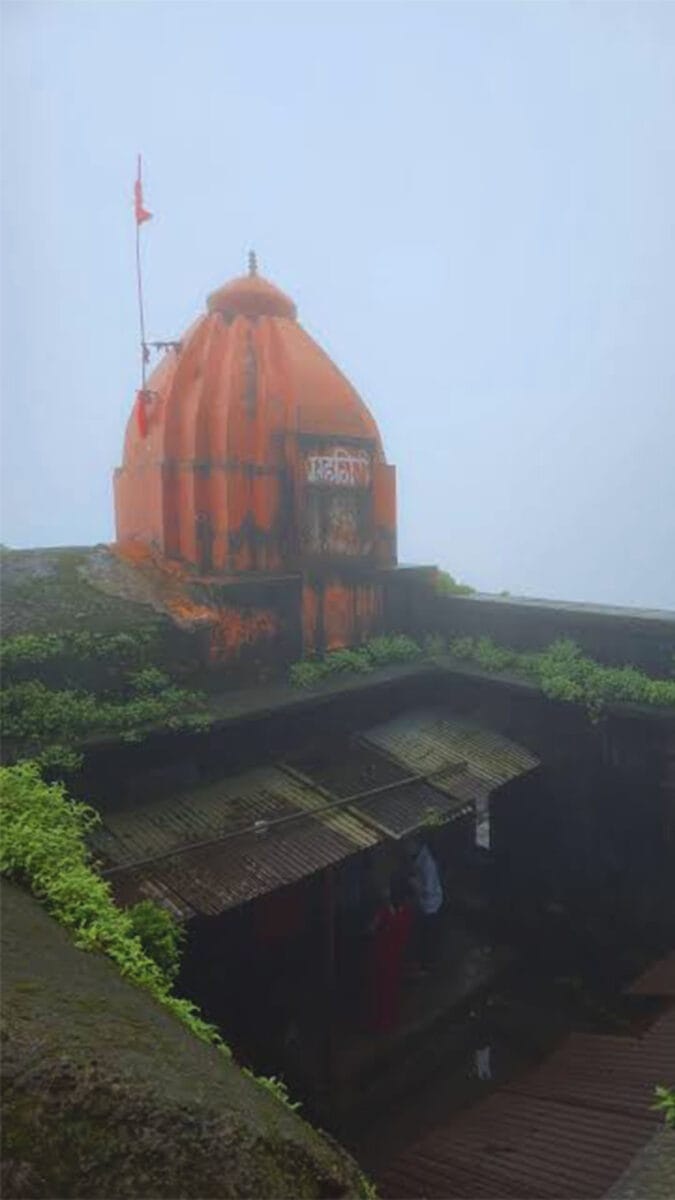
The most defining spiritual event associated with Brahmagiri Parvat is the origin of the Godavari River, also revered as Gautami Ganga. According to sacred tradition, Lord Shiva caused the holy river Ganga to manifest in the southern land in response to Rishi Gautam and Devi Ahilya’s penance.
The Godavari is believed to emerge from the Brahmagiri region as a sacred stream, symbolising purification, nourishment, and continuity of life. Though the visible flow varies seasonally, the spiritual understanding of the river’s origin transcends physical hydrology. Brahmagiri is thus regarded as the udgam sthal (origin place) of the Godavari River.
From here, the river flows eastward across Maharashtra, Telangana, Andhra Pradesh, and finally into the Bay of Bengal, sustaining countless settlements and cultures along its course. For pilgrims, visiting Brahmagiri is equivalent to paying homage at the very beginning of the Godavari’s sacred journey.
Sacred Kunds and Shrines in the Brahmagiri Region
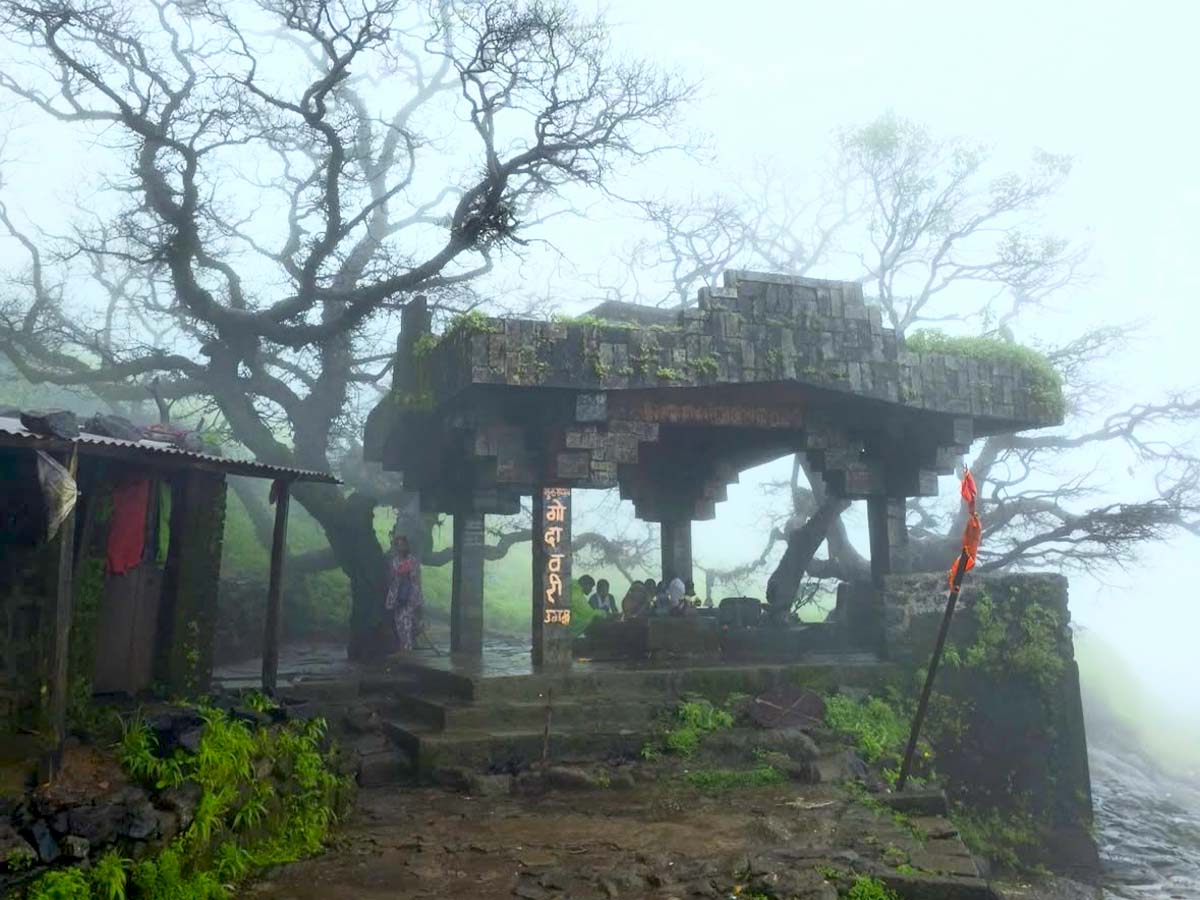
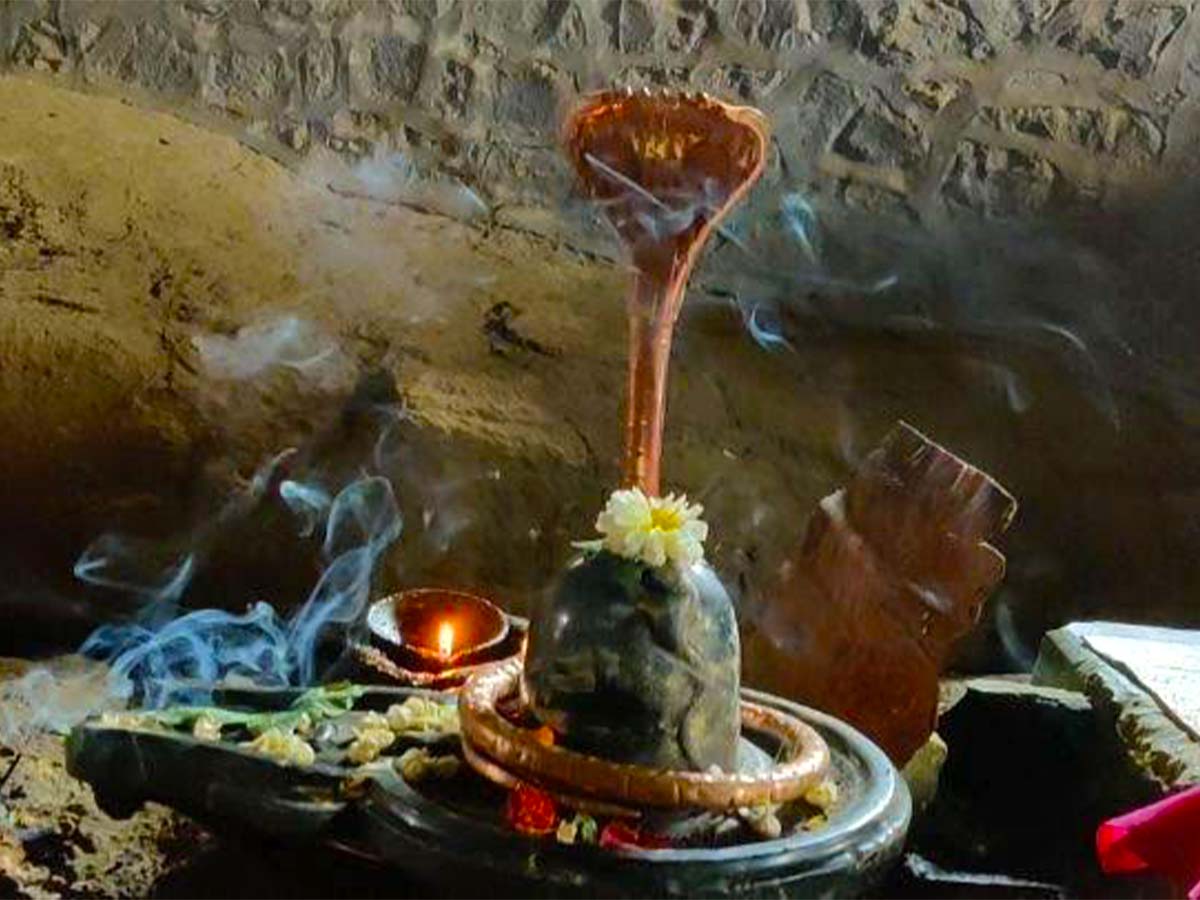
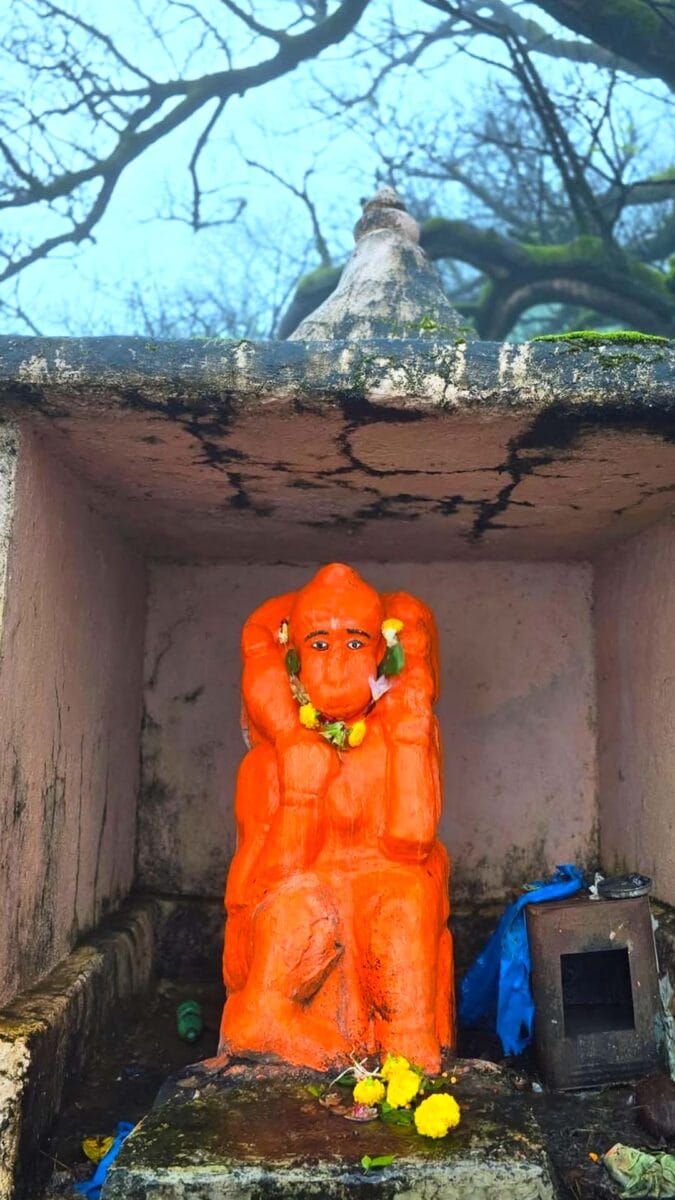
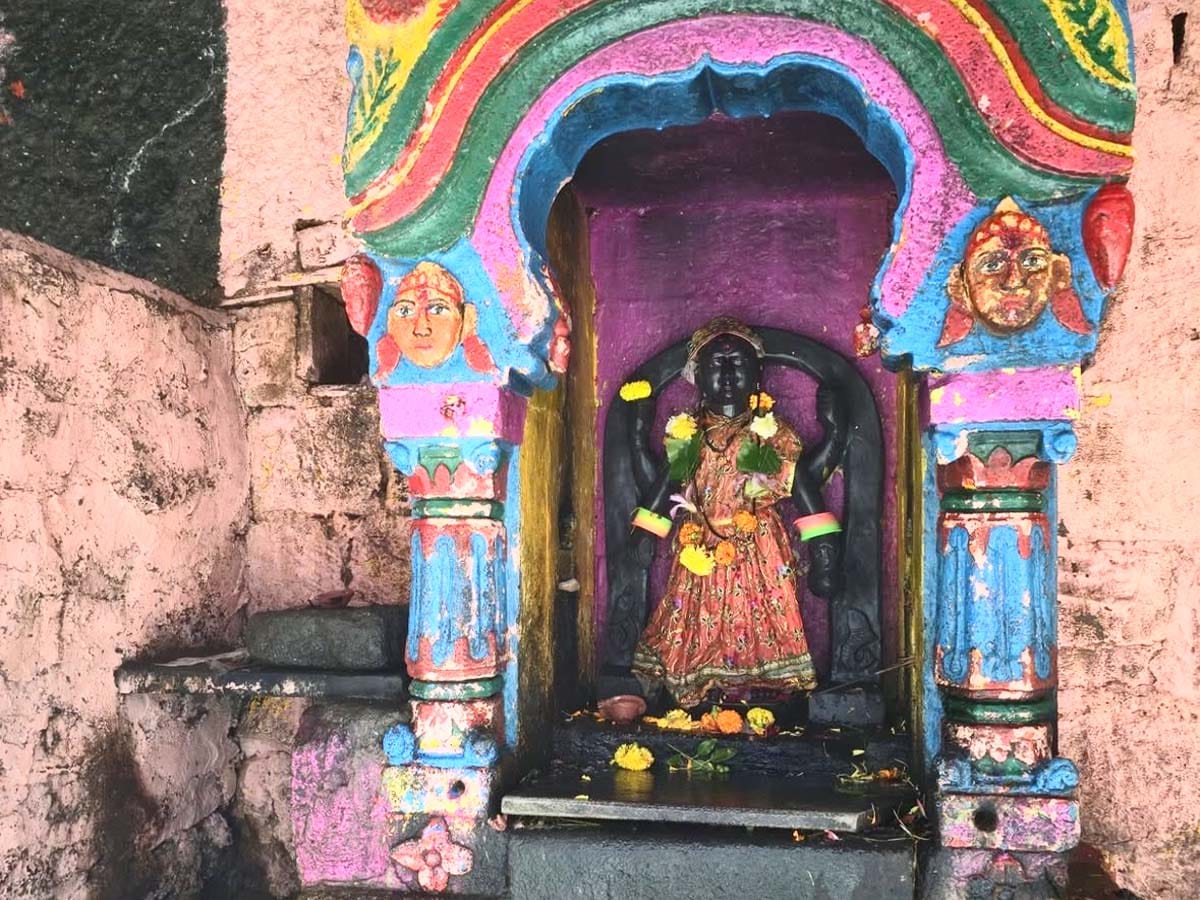
The Brahmagiri landscape is dotted with sacred spots associated with the Godavari’s manifestation and Shaiva worship. Several kunds and minor shrines in the region are traditionally linked with the river’s early course and ritual purification.
Among these is Kapaleshwar Mahadev associated with the Brahmagiri–Trimbakeshwar region, which should not be confused with the Kapaleshwar Temple located in Panchavati, Nashik city. Shrines in the Brahmagiri area are typically modest, emphasising austerity rather than grandeur, in keeping with the spirit of tapasya that defines the mountain.
Brahmagiri Parikrama: A Sacred Devotional Practice
Brahmagiri Parikrama holds deep religious significance for devotees. Performing parikrama of the mountain is considered an act of humility and devotion, symbolising surrender to the sacred geography shaped by divine grace and rishi tradition.
Pilgrims undertake the parikrama especially during auspicious periods such as Shravan month and on Mahashivratri. The practice is believed to bring spiritual merit and inner purification, as the devotee symbolically walks around the very source of the Godavari and the land sanctified by Rishi Gautam and Devi Ahilya.
Trekking and Access to Brahmagiri Hill
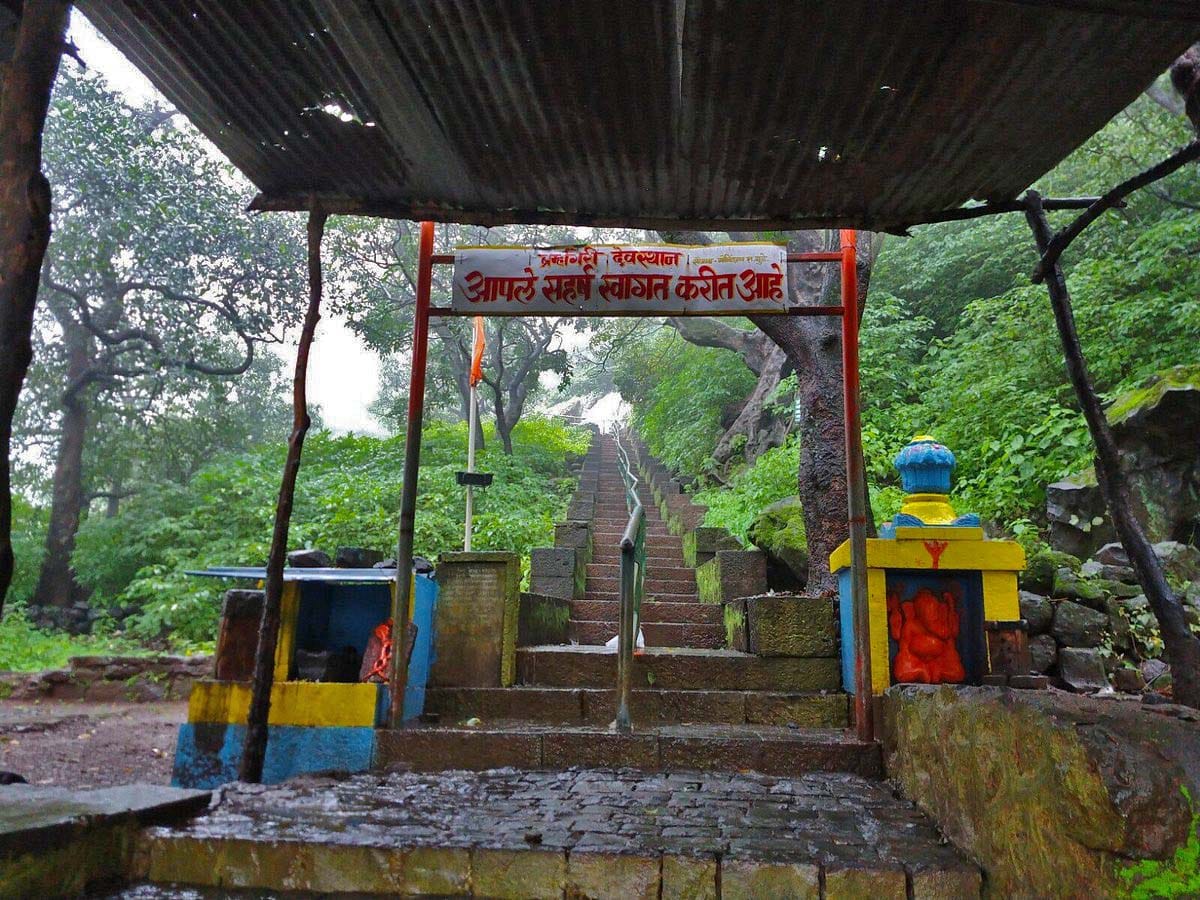
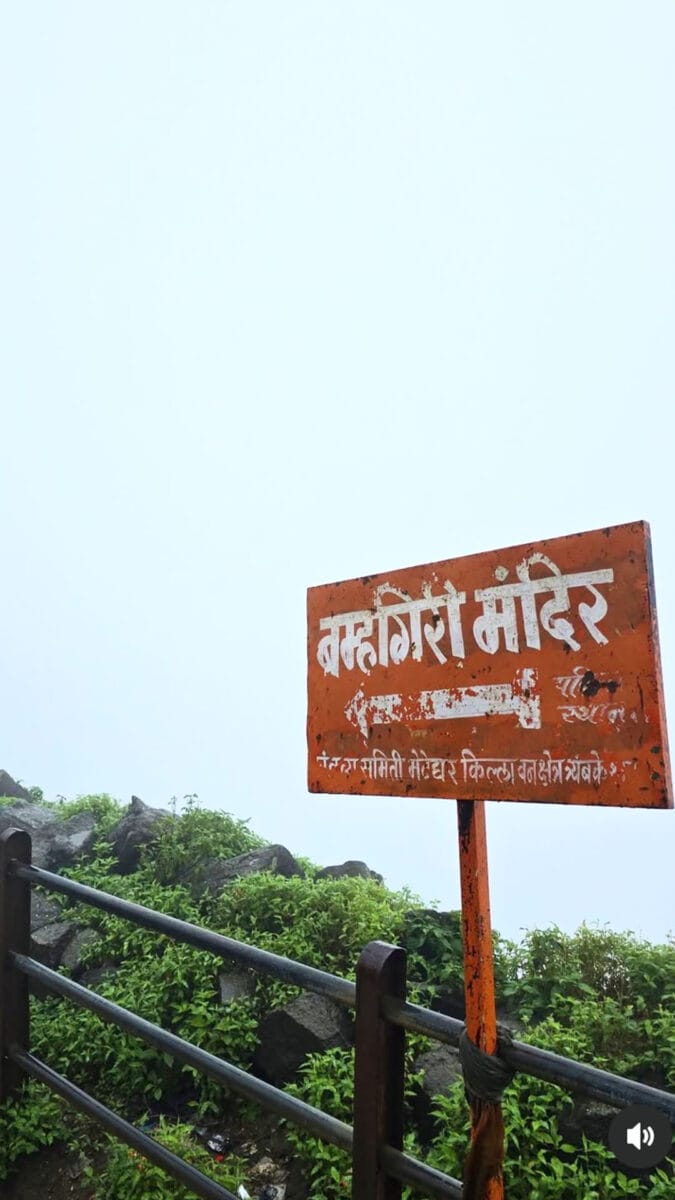
Brahmagiri hill is also known among visitors for its trekking route, though the mountain should be approached with reverence rather than as a purely recreational destination. The Brahmagiri trek from the Trimbakeshwar side passes through forested paths, stone steps, and rocky terrain.
During monsoon months, the region receives heavy rainfall, making trekking challenging and sometimes unsafe. Pilgrims and visitors are advised to assess weather conditions carefully and prioritise safety. Respect for the sanctity of the site is essential, as Brahmagiri is first and foremost a sacred mountain.
Best Time to Visit Brahmagiri Parvat
The ideal time to visit Brahmagiri Parvat is October to February, when the weather is pleasant and access routes are safer. The monsoon season transforms the region into lush greenery but also increases risks due to slippery paths and strong winds.
Spiritually significant periods such as Shravan month, Mahashivratri, and Kartik Purnima attract devotees seeking to connect with the Shaiva traditions associated with Brahmagiri and Trimbakeshwar.
Relationship Between Brahmagiri and Trimbakeshwar
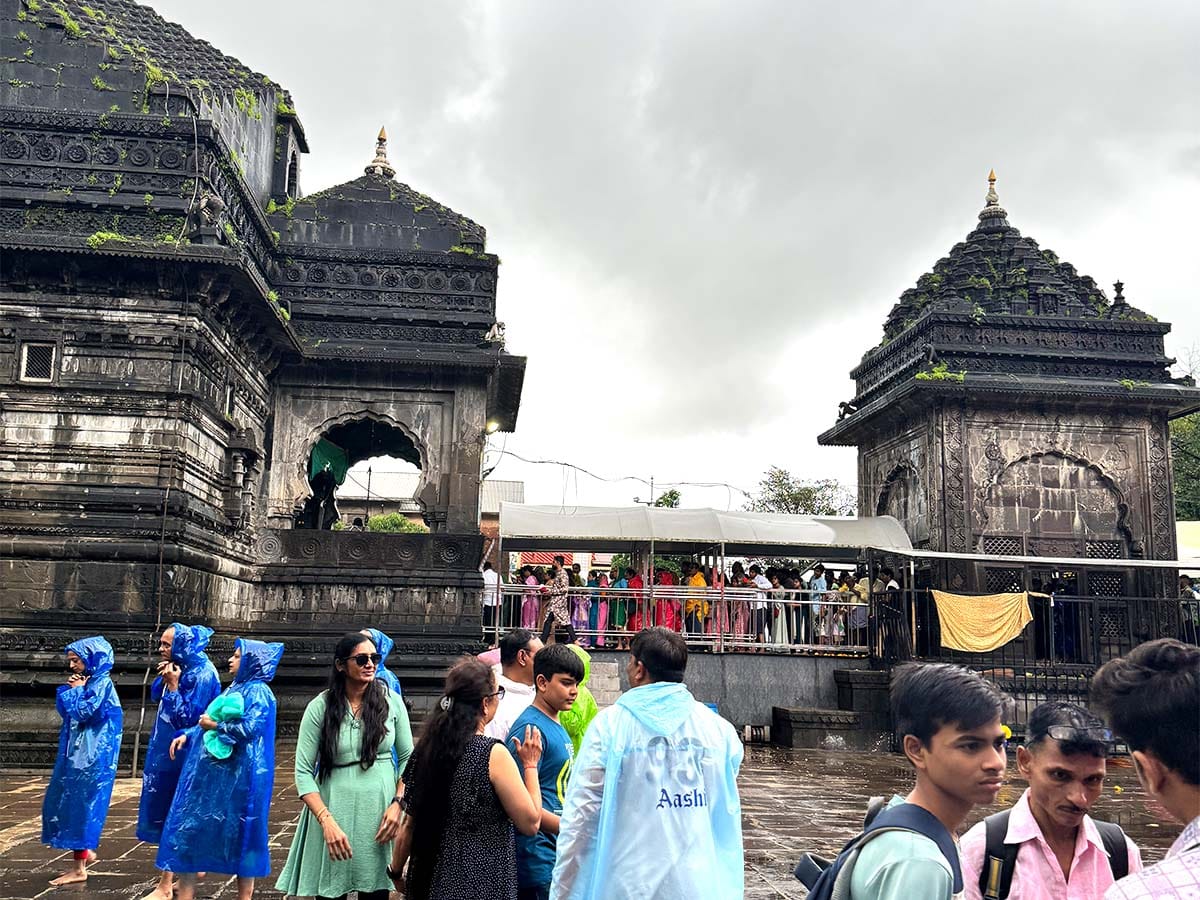
Brahmagiri Parvat and Trimbakeshwar Jyotirlinga form a unified sacred system. While Trimbakeshwar represents the ritual and temple-centred expression of Shaiva worship, Brahmagiri embodies the foundational spiritual geography from which that sanctity arises.
The Jyotirlinga at Trimbakeshwar draws its deeper significance from its proximity to Brahmagiri and the origin of the Godavari. Understanding Trimbakeshwar fully is incomplete without acknowledging Brahmagiri as its spiritual source.
Brahmagiri as a Living Sacred Landscape
Brahmagiri Parvat stands as a timeless witness to the harmony between nature, penance, and divine grace. As the tapobhumi of Rishi Gautam and Devi Ahilya and the sacred origin of the Godavari River, it continues to inspire devotion, reverence, and spiritual reflection.
More than a geographical landmark, Brahmagiri is a living sacred landscape-one where the blessings of Lord Shiva, the compassion of great rishis, and the sustaining flow of the Godavari converge. For pilgrims and seekers alike, a visit to Brahmagiri is a journey to the very source of spiritual and natural continuity in the land of Bharat.
Also read Kaal Sarp Dosh Shanti Puja at Trimbakeshwar Jyotirlinga Mandir Nashik
FAQs
Where is Brahmagiri Parvat located?
Brahmagiri Parvat is located near Trimbakeshwar in Nashik district, Maharashtra, and forms part of the Sahyadri (Western Ghats) mountain range.
Is Brahmagiri Parvat the origin of the Godavari River?
Yes, according to sacred tradition, the Godavari River originates from the Brahmagiri region near Trimbakeshwar and is revered as Gautami Ganga.
What is the significance of Brahmagiri Hill?
Brahmagiri Parvat is regarded as sacred because it is the tapobhumi of Rishi Gautam and Devi Ahilya, whose penance led to the manifestation of the Godavari River for the welfare of humanity.
What is the connection between Brahmagiri Parvat and Trimbakeshwar Temple?
Brahmagiri Parvat forms the sacred geographical foundation of Trimbakeshwar Jyotirlinga, and the spiritual significance of Trimbakeshwar is deeply linked to the Godavari’s origin at Brahmagiri.
When do devotees perform Brahmagiri Parikrama?
Devotees traditionally perform Brahmagiri Parikrama, especially during auspicious periods like Shravan month and Mahashivratri, as an act of devotion and spiritual discipline.